Turkish Systems in African Armed Forces

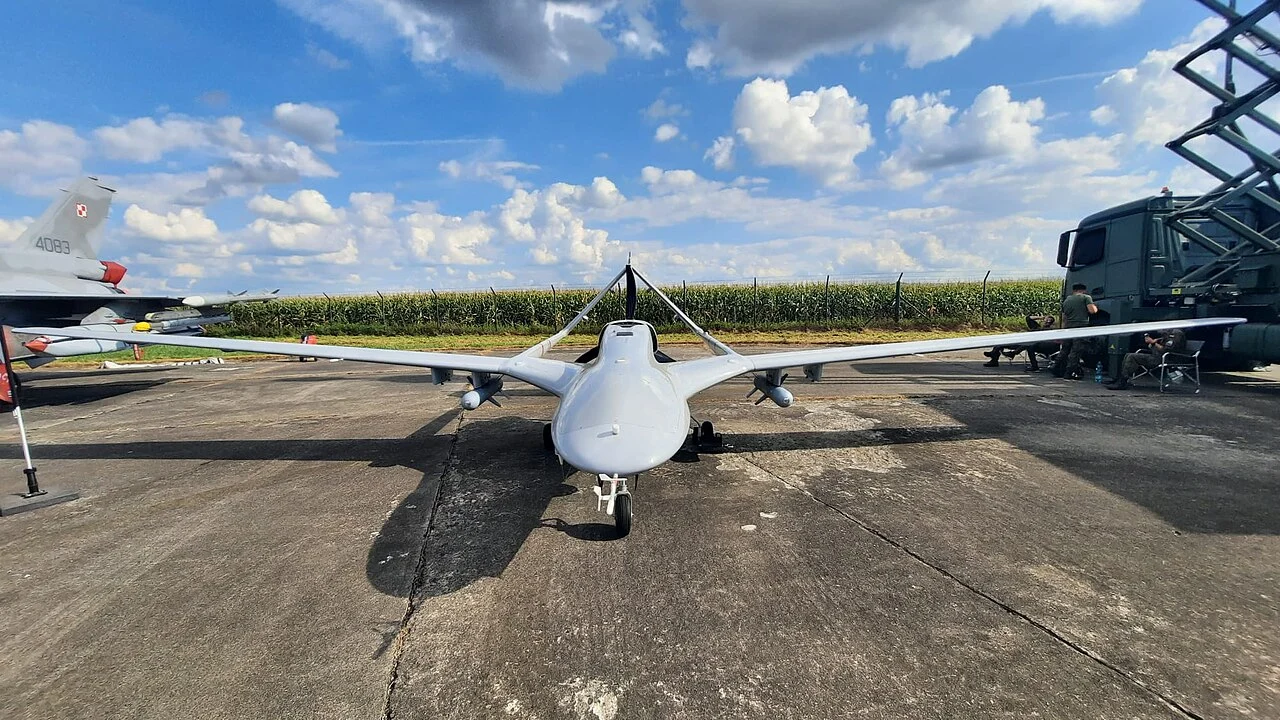


Turkish-made drones, attack helicopters, light attack aircraft and armoured vehicles have become the most visible new hardware entering African air forces and armies over the past five years. This gallery surveys nine Turkish systems with confirmed or credibly reported African operators, the status of each acquisition, and the figures published for them as of October 2026.
DEFENCE AFRICA | Evergreen gallery | Data as of October 2026
Türkiye has become one of the fastest-growing arms suppliers to the African continent over the past decade, driven by unmanned systems that are cheaper than Western or Israeli equivalents and by a willingness to sell without the human-rights or end-use conditions that slow some European and American deals. Baykar’s Bayraktar TB2 is the headline product, but Turkish Aerospace Industries, Otokar, Katmerciler, BMC and Nurol Makina have each placed systems with African armed forces as well, spanning unmanned aircraft, attack helicopters, light attack aircraft, 4×4 and 8×8 armoured vehicles and mine-resistant trucks.
The appeal is straightforward: African militaries fighting counter-insurgency and Sahel-style conflicts need persistent surveillance and light strike capability at a price point domestic budgets can sustain, and Turkish firms have been quick to offer financing, donations and, increasingly, local assembly deals. This gallery lists the systems with the clearest paper trail of orders, deliveries or official statements, drawing on SIPRI’s Arms Transfers Database, manufacturer and government statements, and reporting from Shephard, Janes, The Defense Post, defenceWeb and Military Africa. Entries without at least two independent sources, or resting only on unconfirmed social-media claims, have been excluded.
Key facts
- Baykar lists at least 11 African states as Bayraktar TB2 clients as of early 2025, according to ADF Magazine’s February 2025 survey of the continent’s drone market.
- Nigeria had received four of six T129 ATAK attack helicopters it ordered in 2022 by September 2024, per Shephard Media and Military Periscope.
- Somalia became only the second confirmed African T129 ATAK operator, taking delivery of three helicopters in June 2025, The Defense Post and Military Africa reported.
- Morocco’s Royal Armed Forces ordered 200 Otokar Cobra II 4×4 vehicles in a deal valued at roughly $136 million, announced in January 2024.
- Kenya’s $91.4 million order for 118 Katmerciler Hizir armoured vehicles, confirmed in July 2021, was described by the manufacturer as its largest single export contract at the time.
1. Bayraktar TB2 — the continent’s most widely fielded armed drone
Baykar’s medium-altitude, long-endurance strike drone is the single most widely exported Turkish defence product in Africa. ADF Magazine’s February 2025 survey named Angola, Burkina Faso, Djibouti, Ethiopia, Mali, Morocco, Niger, Nigeria, Somalia, Togo and Tunisia as clients, with Kenya added as a 2024 buyer that received six TB2s, per Military Africa. Morocco bought 13 units in 2021 for a reported $70 million; Niger received roughly six in May 2022 for operations against Sahel insurgents; Togo took delivery in August 2022. Status across these operators is delivered/operational; published unit prices vary between roughly $2 million and $5 million depending on configuration and source. The type’s export success has made it the baseline African forces now measure other unmanned systems against — see our reporting on Niger’s 2021 TB2 purchase for the procurement detail behind one order, and our Nigeria military profile for how the TB2 fits inside the wider Nigerian order of battle.
2. Bayraktar Akıncı — the heavier strike drone moving beyond Burkina Faso
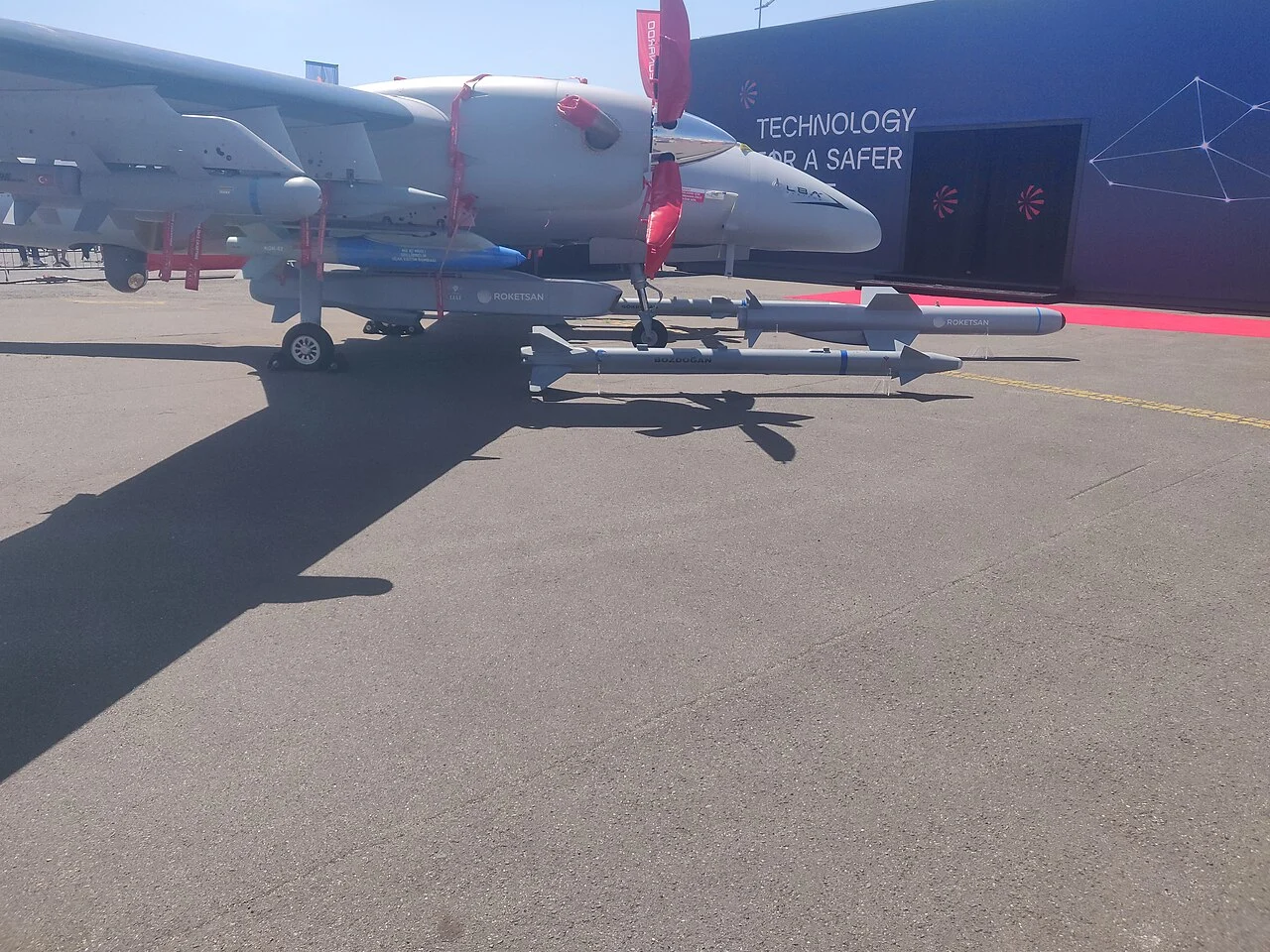
Baykar’s larger, longer-range Akıncı carries a heavier payload and can fly missions the TB2 cannot reach. Burkina Faso’s air force put two Akıncı into service in April 2024, alongside five TB2s delivered in 2022, according to Overt Defense’s reporting on the induction ceremony near Ouagadougou — operational status. Morocco signed a December 2024 agreement with Baykar to build and maintain both TB2s and Akıncı locally, a technology-transfer arrangement reported by ADF Magazine and Military Africa that puts Moroccan Akıncı deliveries at ordered status pending completion of that facility. No other African Akıncı operator could be confirmed with two independent sources; earlier reports naming Nigeria or Niger as Akıncı customers describe TB2 orders instead.
3. TAI T129 ATAK — Nigeria’s and Somalia’s new attack helicopter
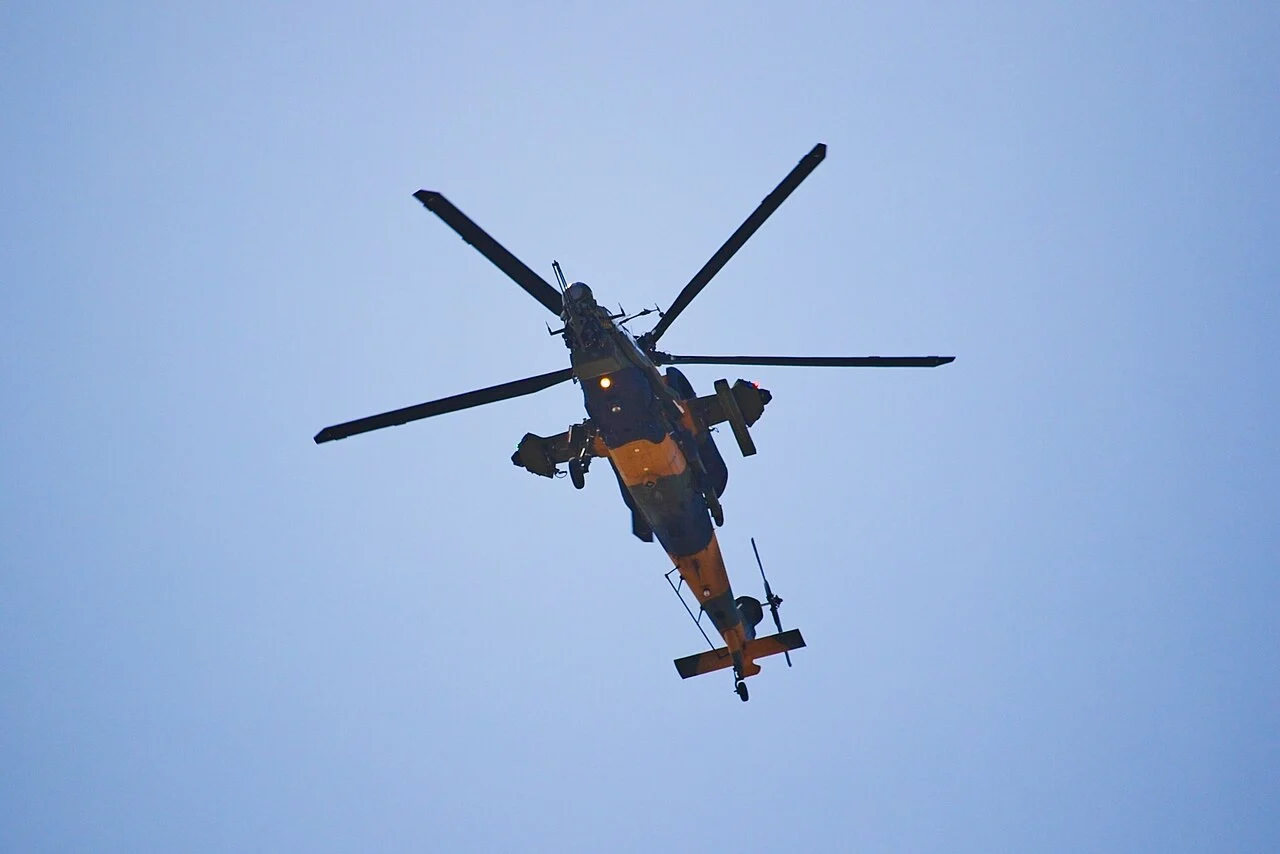
Nigeria ordered six T129 ATAK attack helicopters at the 2022 Farnborough Airshow. The first two were delivered in November 2023 and entered service in February 2024, Shephard Media and Overt Defense reported; a second batch of two arrived in September 2024, per Military Periscope, putting four of six units in country — delivered (partial). Somalia became the second confirmed African operator when Turkish Aerospace delivered three T129s to the Somali Air Force on 5 June 2025, alongside two utility helicopters for the navy, according to The Defense Post and Military Africa; Somali crews had completed training beforehand and the aircraft were reportedly used against al-Shabaab shortly after arrival — operational. The T129 is a licensed derivative of the AgustaWestland A129 Mangusta, built by TAI with a Turkish-developed mission system.
4. TAI Hürkuş-C — light attack and training in the Sahel
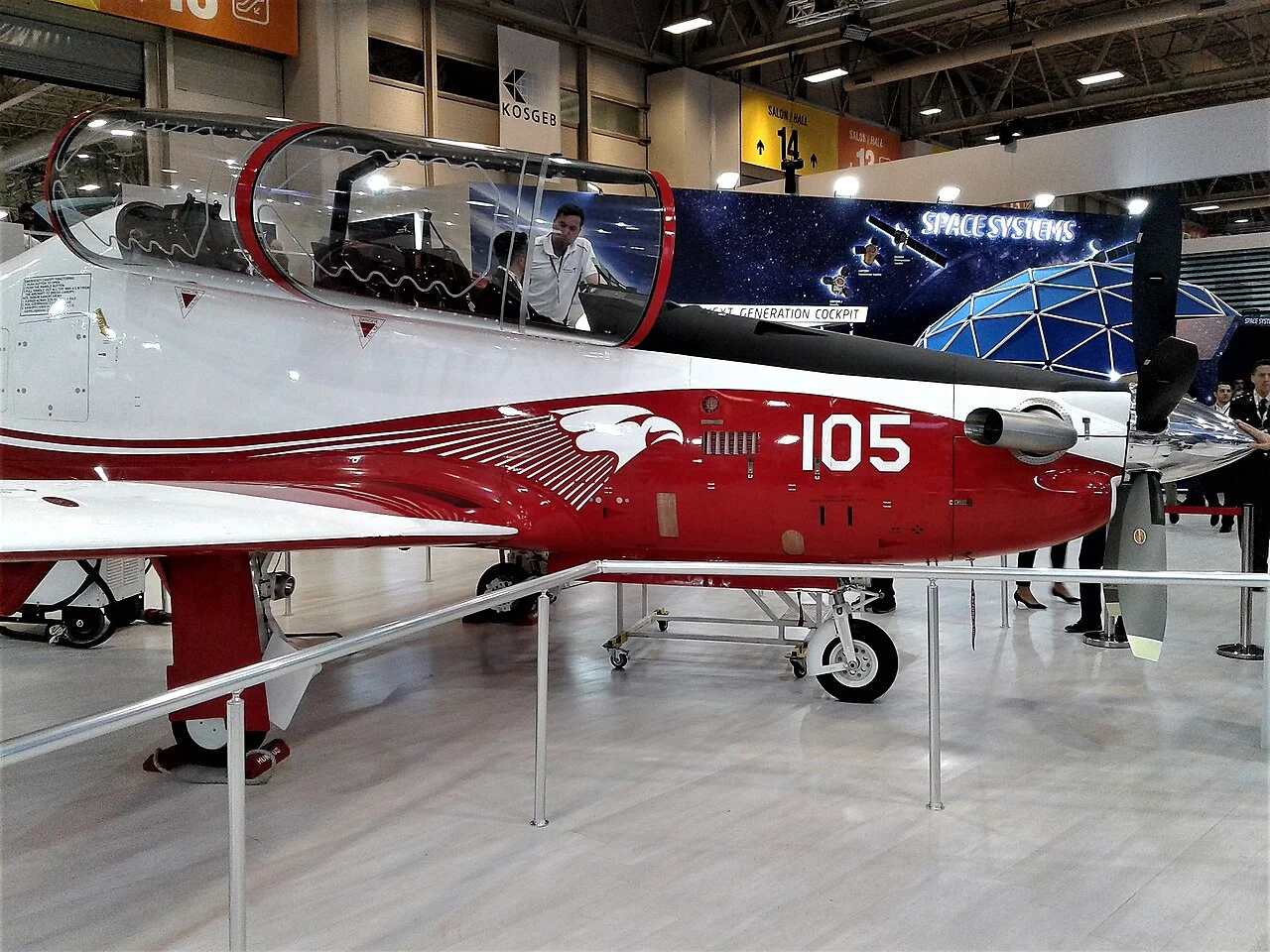
The armed variant of TAI’s turboprop trainer gives smaller air forces a cheaper alternative to jet-powered light attack aircraft. Niger took delivery of two Hürkuş-C aircraft by the end of 2022, and Chad received three in early 2023, according to reporting tracked by Overt Defense and Janes on Turkish Aerospace’s African order book — delivered/operational for both. Libya’s Government of National Unity has reportedly ordered the type, but no delivery has been independently confirmed, so that order is listed here as reportedly under negotiation rather than completed. The aircraft pairs a stepped tandem cockpit with underwing hardpoints for rockets and precision-guided munitions, giving Sahel air forces a counter-insurgency tool that doubles as a pilot-training platform.
5. Otokar Cobra / Cobra II — the continent’s most common Turkish armoured vehicle
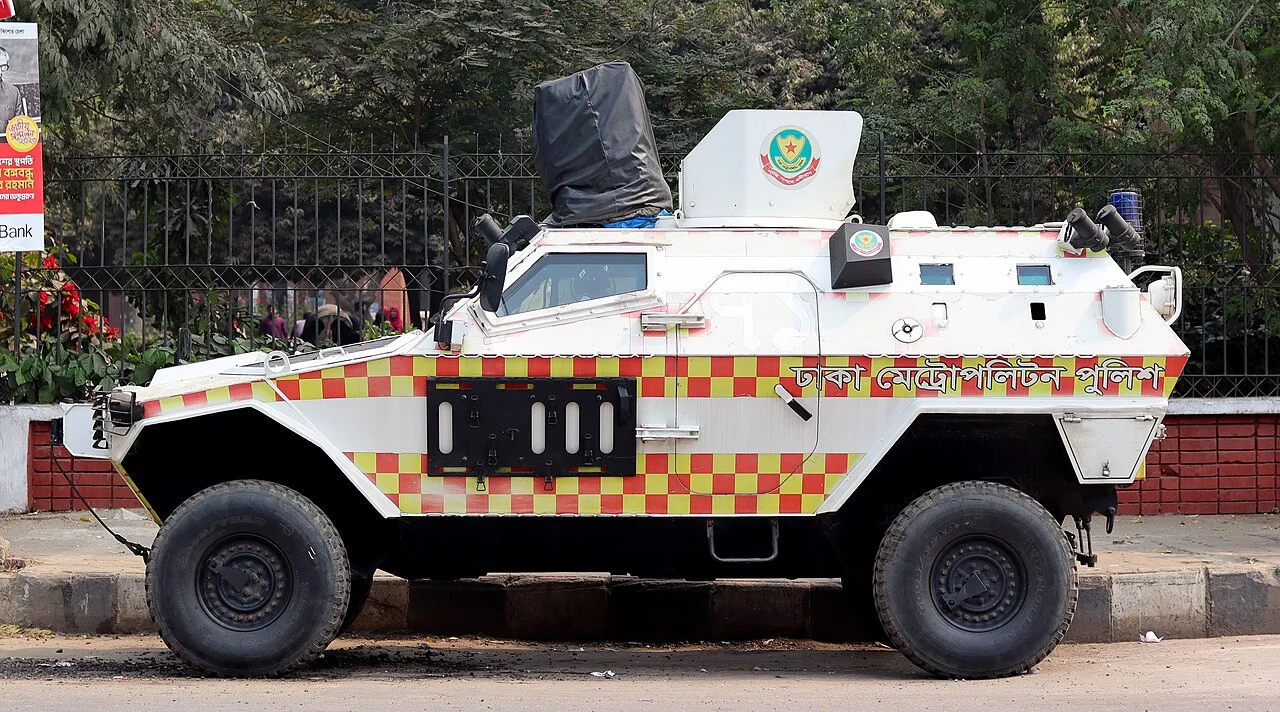
The Cobra family — a joint Otokar/AM General design dating to the 1990s, with the up-armoured Cobra II introduced in 2013 — has the longest African service record of any Turkish armoured vehicle. Confirmed operators include Burkina Faso, Ghana, Algeria, Mauritania, Nigeria, Rwanda and Tunisia, per a 2020 tally carried by defence.info’s review of Turkish arms sales to Africa. Ghana’s SIPRI-recorded order of 30 Cobra 1 and Cobra 2 vehicles was delivered in 2018–2019 and the type appeared in the army’s 2019 counter-terrorism exercises, Military Africa reported — operational. Morocco placed the largest single order found for this gallery: 200 Cobra II vehicles for roughly $136 million, announced by Otokar in December 2023 and reported by Overt Defense and The Defense Post in January 2024, with deliveries scheduled to run from late 2024 into 2025 and about 20 units earmarked for UN peacekeeping duty — ordered, delivery status not independently confirmed as complete (see our Morocco military profile for the rest of the Royal Armed Forces’ inventory). The Gambia has received Cobra vehicles as donations rather than purchases, including 17 handed over in January 2025 under a military financial cooperation agreement, per Military Africa and The Point — delivered. For the trade-policy angle, Envanter Medya’s analysis of why African states favour Turkish armoured vehicles sets out the financing and speed-of-delivery arguments manufacturers make.
6. Otokar Arma 8×8 — the first Turkish wheeled IFV sold to Africa
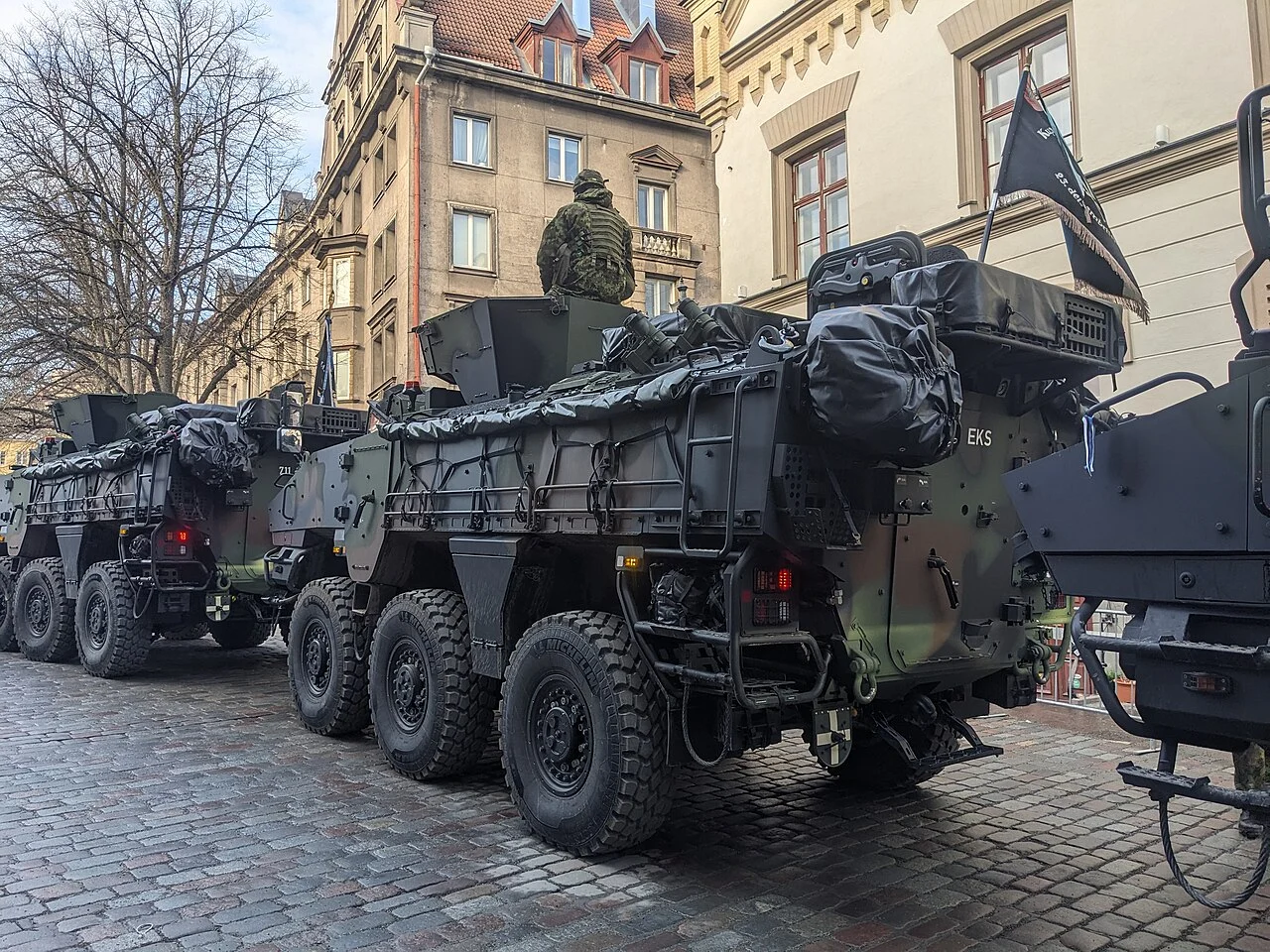
In November 2020 Otokar announced a roughly $110 million contract covering Arma 8×8 wheeled infantry fighting vehicles and further Cobra II units for an African client, describing it as the Arma’s first sale on the continent. The company did not name the buyer; a military-blog report identified Uganda, which Otokar publicly declined to confirm while denying it had been misreported, per Military Africa’s account of the dispute. Given the single-source attribution for the buyer’s identity, this entry is listed as contracted, with the customer’s identity treated as reported rather than confirmed. Deliveries were originally scheduled to run from early 2021 through the end of 2022; no independent completion report was found for this gallery.
7. Katmerciler Hizir — Kenya’s and Uganda’s armoured workhorse
The Hizir is a 4×4 tactical armoured vehicle built by Katmerciler, a smaller Turkish manufacturer that has concentrated on African sales. Kenya signed the company’s largest single export contract to date in July 2021: 118 Hizir vehicles for $91.4 million including spare parts and maintenance, confirmed by Katmerciler and reported by Shephard Media and Military Africa — contracted, with deliveries originally planned for 2022–2023 and no independent source confirming completion. Uganda was an earlier Hizir customer, and the Gambia separately ordered at least 20 units in an August 2021 agreement, per defenceWeb’s tracking of the programme — both ordered. Katmerciler’s deputy chairman described Kenya as only the third country to receive the type, underlining how recent this export line is compared with Otokar’s longer African track record.
8. BMC Kirpi — mine-resistant trucks from Libya to Somalia
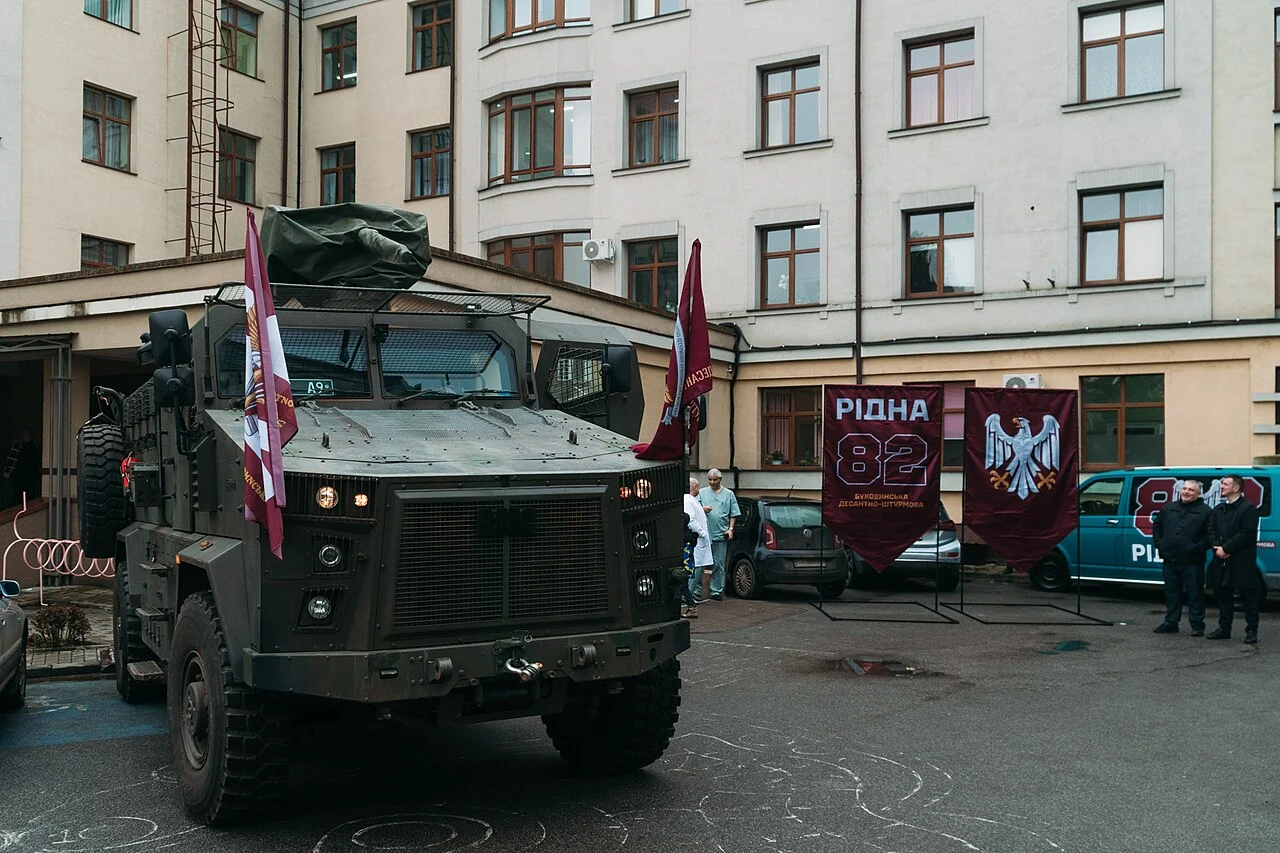
BMC’s Kirpi MRAP, with more than 1,500 units built and over 200 exported according to the manufacturer, has reached Africa mainly through government-to-government transfers rather than open-market sales. Libya’s Government of National Accord-aligned forces received a shipment in 2019, reported at the time by Military Africa — delivered/operational. Somalia has received two Turkish donations: 12 Kirpi vehicles and 12 utility trucks in August 2020, and a further eight Kirpis among 22 vehicles handed over in August 2021 for use by the Gorgor commando unit fighting al-Shabaab, both reported by Overt Defense and Military Africa — delivered/operational. These transfers sit inside the wider Turkey-Somalia defence relationship that also produced Turkey’s largest overseas military base, in Mogadishu.
9. Nurol Ejder Yalçın — the Sahel’s other Turkish MRAP
Nurol Makina’s Ejder Yalçın, first exported in 2017, has built a Sahel-focused customer base distinct from BMC’s Kirpi. Reported operators include Chad, Burkina Faso, Senegal, Niger and Tunisia, with Morocco also listed as a customer in Military Africa’s tracking of the programme; Niger’s 2022 order reportedly bundled Ejder Yalçın vehicles alongside the TB2 and Hürkuş purchases covered above. Given the thinner, largely single-source confirmation available for most of these individual country claims, status here is best described as delivered/operational for the longer-standing customers (Chad, Burkina Faso) and reportedly under negotiation for more recently reported additions until a second independent source is published.
Why it matters for Africa
Turkish systems have filled a gap that Western, Russian and Chinese suppliers have been slower or more reluctant to fill: affordable, rapidly deliverable unmanned strike capability and armoured mobility for militaries fighting irregular wars with constrained budgets. The TB2’s price point reset expectations for what African air forces could afford to field over Sahel borders and Lake Chad; the T129 and Hürkuş extend that logic into crewed strike aircraft; and the Cobra, Arma, Hizir, Kirpi and Ejder Yalçın families have given land forces armoured mobility without the years-long negotiations that often accompany Western platforms. Morocco’s move to localise TB2 and Akıncı production signals the next stage of this relationship — technology transfer rather than pure import — and is likely to be watched closely by Nigeria, Kenya and other repeat Turkish customers weighing similar arrangements. The trade-off is lighter sustainment infrastructure and spare-parts networks than legacy Western or Soviet-origin fleets have built up over decades, a gap manufacturers are only beginning to address through financing and local-assembly deals of the kind Morocco has signed. It is also a narrower supplier base than China’s, which our survey of Chinese military systems in African service shows spans armour, artillery and air defence as well as drones.
Sources
- ADF Magazine, “As Drone Warfare Expands in Africa, Turkey Increases Share of the Market,” February 2025
- Shephard Media, “TAI delivers first Nigerian T-129 Atak helicopters”
- Military Periscope, “Nigerian Air Force Receives Second Batch of T129 ATAK Helicopters”
- The Defense Post, “Turkey Sends Attack Helicopters to Somalia Amid Al-Shabaab Fight”
- Overt Defense, “Burkina Faso Puts Bayraktar Akıncı Unmanned Aerial Vehicles Into Service”
- Defense.info, “Turkish Arm Sales to Africa”
- Overt Defense, “Morocco Orders 200 Cobra II Armored Vehicles From Otokar”
- Military Africa, reporting on the undisclosed African buyer of Otokar’s Arma 8×8 and Cobra II contract
- Shephard Media, “Katmerciler confirms Kenya deal”
- Military Africa, “Turkey Delivers BMC Kirpi 4×4 Armoured Vehicles to Libya”
- Overt Defense, “Turkey Donates New Armored Vehicles – Including Mine-Resistant KİRPİ Vehicles – To Somalia”
- Envanter Medya, “Afrika Ülkeleri Neden Türk Zırhlı Araçlarını Tercih Ediyor?”