Why Mali Expanded Its Drone Fleet: Timeline, Suppliers and Results



Mali expanded its drone fleet because its army needed strike and surveillance aircraft it could buy quickly, without Western political conditions, after French forces left in 2022 and the UN mission closed in 2023, while armed groups in the north and centre remained active. The record shows a first batch of Bayraktar TB2s in service by December 2022, at least 17 by January 2024 by serial-number count, and Bayraktar Akinci aircraft from November 2024, with a reported six-aircraft, roughly $210 million contract that has not been officially published. The only reasons on the public record come from a Malian minister, anonymous Malian officers and outside analysts. There is no published requirement document or evaluation report.
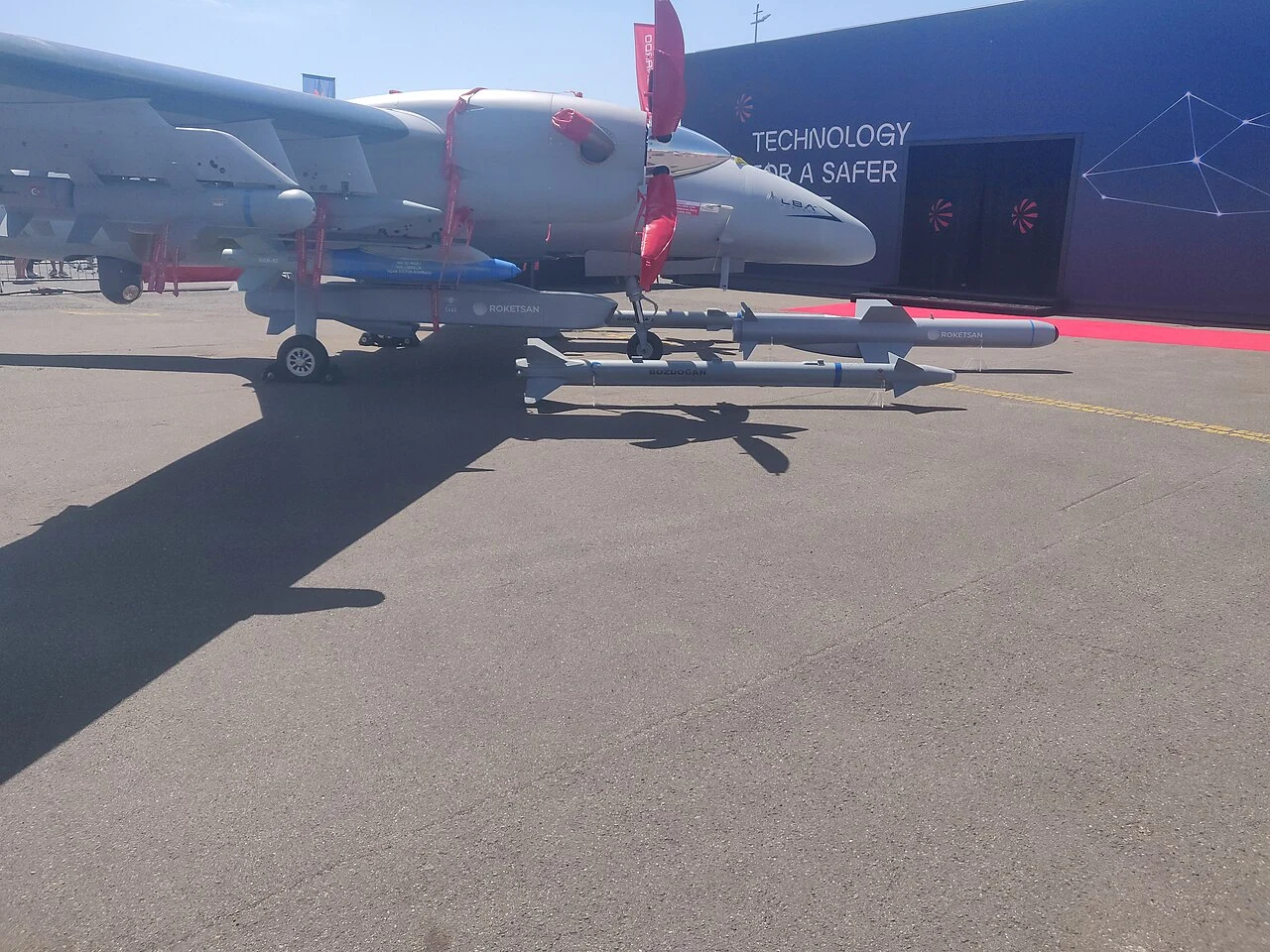
Photo: A Bayraktar Akinci on static display at Le Bourget, June 2025. The aircraft is shown to illustrate the type and is not a Malian airframe. Credit: Tpe.g5.stan, Wikimedia Commons (CC0).
This explainer follows one question: why did this African customer choose this system? The answer comes from official statements, named reporting and serial-number tracking of delivered aircraft. Where the record is silent, this article says so.
| Item | What the record shows | Status |
|---|---|---|
| Customer | Malian Armed Forces (FAMa), Air Force | Confirmed |
| Systems | Bayraktar TB2 and Bayraktar Akinci, both built by Baykar (Türkiye) | Confirmed |
| TB2 quantity | At least 17 by serial numbers (TZ-01D to TZ-17D); some listings say 20 or more | Delivered, in service since 2022 |
| Akinci quantity | Six under the reported August 2024 contract; about eight airframes inferred from serial numbers across three deliveries | Delivered in Nov 2024, early 2026 and Jul 2026; two reported lost in 2025 |
| Reported contract value | About $210 million for six Akinci (signed 15 Aug 2024, per leaked-document reporting) | Unofficial; not confirmed by Bamako |
| Funding statement | Defence Minister Sadio Camara said the Akinci purchase was financed from the national budget | Official statement |
| Local production | None documented | — |
What capability did Mali need?
The requirement is a mix of persistent surveillance and precision strike over a very large territory. Northern and central Mali have seen rebellion and jihadist insurgency since 2012. French forces completed their withdrawal in August 2022, and the UN peacekeeping mission MINUSMA left the Kidal camp on 31 October 2023 ahead of its closure. Malian planners lost the aerial reconnaissance and strike support those forces had provided.
The Malian side has framed the drones in those terms. At the presentation of Akinci aircraft in Bamako in November 2024, Defence Minister Sadio Camara said the drones would “strengthen the territorial grid and neutralise threats wherever they are”, as reported by The Defense Post. Reporting on the earlier TB2 purchase quotes Camara saying the acquisitions improve both striking force and the effectiveness of the intelligence tool, as summarised by the Malian outlet Bamada.net. No public Malian document sets out numbers, range or endurance requirements.
What did Mali operate before?
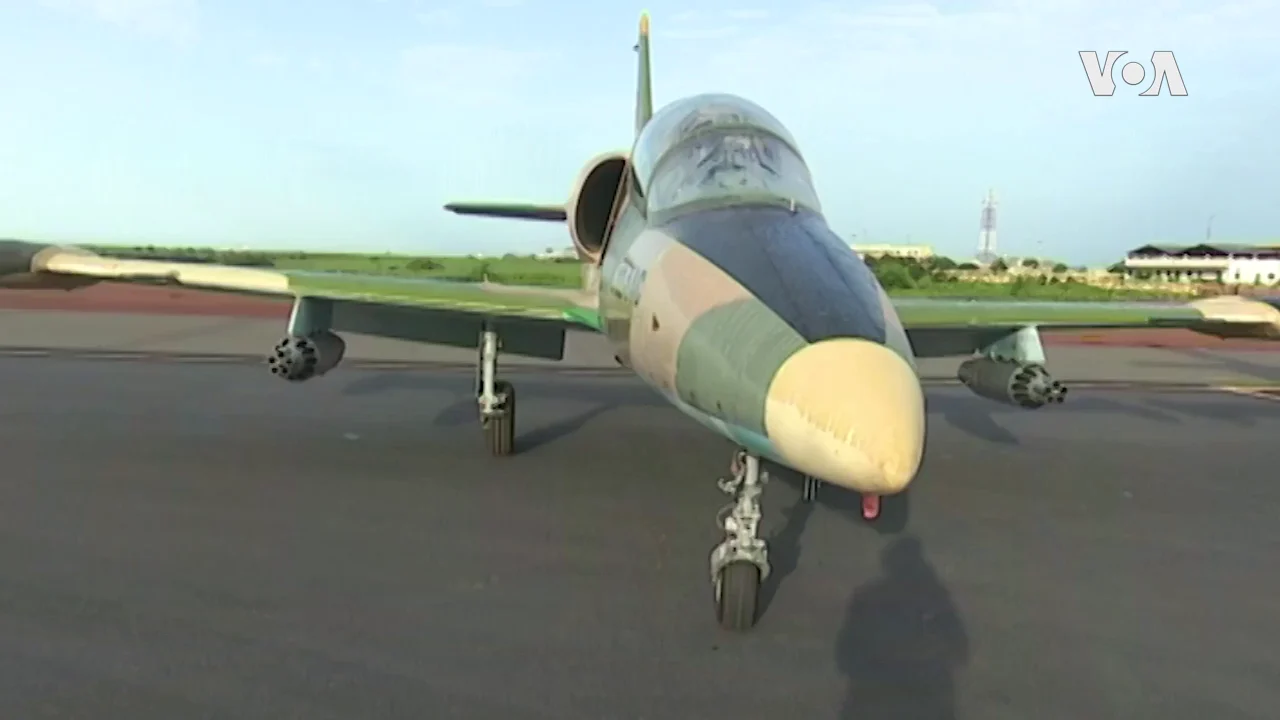
Before 2022 Mali’s air arm was small. Compiled inventory listings show four Embraer A-29 Super Tucanos delivered in 2018 (one crashed at Sévaré in 2020, killing both pilots, leaving three reported operational), Mi-24/Mi-35 gunships, and Russian-supplied Mi-171 helicopters delivered in September 2021. From 2022 the fleet added L-39 trainer-attack jets, Su-25 aircraft and an Airbus C295 transport, according to defenceWeb and a compiled listing of the Malian Air Force. No earlier armed drone in Malian service is documented in the sources reviewed. Small surveillance drones may exist but are not verified here.
Procurement timeline
| Stage | Date | What happened | Source |
|---|---|---|---|
| Context | Aug 2022 | French forces complete withdrawal from Mali | Widely reported |
| First TB2 sighting | 22 Dec 2022 | At least two TB2s photographed at Air Base 200, Mopti-Sévaré, and shown to Minister Camara | Military Africa; defenceWeb |
| Formal induction | Mar 2023 | Malian Air Force formally inducts TB2s | defenceWeb |
| Kidal operations | Oct–Nov 2023 | TB2s used in the offensive that retook Kidal on 14 Nov 2023 | Media accounts; Wikipedia summary |
| Further TB2 batch | 4 Jan 2024 | Ceremony at Modibo Keita airport, Bamako, chaired by Colonel Assimi Goita; five TB2s displayed; serials reach TZ-17D | defenceWeb |
| Akinci contract | 15 Aug 2024 | Contract for six Akinci, about $210 million, negotiated by the state security agency head Colonel Modibo Koné (reported) | The Africa Report / Jeune Afrique reporting, via The Sentry summary |
| First Akinci delivery | Nov 2024 | At least two Akinci presented in Bamako with MAM-T munitions and Teber guidance kits visible | Military Africa; The Defense Post |
| Losses | Jan and 1 Apr 2025 | One Akinci reported lost in a January crash; Algeria says it shot one down near Tinzawatin on 1 April; Mali issued no statement | Military Africa; other reports |
| Second Akinci delivery | 30 Jan / Feb 2026 | At least two more airframes (sources give 30 January or February) | Military Africa; Militarnyi |
| Third Akinci delivery | 30 Jul 2026, announced 6 Aug | New batch at Sévaré; three aircraft seen on state television with MAM-L and MAM-T | Military Africa; Militarnyi |
| Additional TB2 or Akinci orders | — | No official quantity for any batch published | Unknown |
Two dating conflicts remain. Military Africa says the first TB2 shipments were in January and March 2023, while photographs date the first aircraft to December 2022. The count of Akinci airframes inferred from serial numbers (about eight) exceeds the six in the reported contract, and no source explains the difference.
What was purchased?
The purchases are the TB2, a medium-altitude tactical drone, and the Akinci, a larger high-altitude long-endurance armed drone. Mali’s TB2s use the Turkish Aselsan CATS sensor turret rather than the Canadian L3 Wescam MX-15, because Canada blocked exports of that sensor to Türkiye, per Military Africa. Observed munitions are Roketsan’s MAM-L on TB2s and the heavier MAM-T and Teber guidance kits on Akinci. Manufacturer data list the Akinci at a 6-tonne maximum take-off weight, up to 1,350 kg payload and range beyond 4,300 km, as repeated in Militarnyi; these are manufacturer figures, not measured Malian performance. Ground control stations are part of the systems: one mobile station was captured at Kidal in April 2026 (see below).
What did it cost?
| Figure | What it is | Source |
|---|---|---|
| About $210 million | Reported value of the six-aircraft Akinci contract, 15 Aug 2024; package scope (ground stations, munitions, training, spares) is not public | The Africa Report / Jeune Afrique, via The Sentry |
| $180–300 million | Range cited by another outlet for the same six aircraft | Perspectives Africaines (secondary) |
| Not disclosed | TB2 contract value; Mali has published none | Unknown |
| About $6 million per TB2 system | Generic commentary on TB2 system prices, not specific to Mali | African Arguments (analysis) |
No reliable unit price can be derived. The reported $210 million covers an unpublished package and has not been confirmed by the Malian government, which said only that the Akinci purchase was funded from the national budget. The same reporting says the deal was routed through the state security agency rather than the defence ministry, which is a matter of Malian oversight and not of the aircraft.
Why was the system selected?
| Factor | Evidence | Strength |
|---|---|---|
| Speed and few political conditions | A senior Malian officer told AFP: “With Turkey, we have a speed that we don’t have elsewhere, not even in Russia or China.” | Named-outlet quote, anonymous officer |
| Short training time | A young Malian drone pilot told AFP Turkish aircraft are easy to pilot, so no long training period is needed | Anonymous, single source |
| Replace lost foreign support | Purchases followed the French exit and MINUSMA closure; Camara cited need to “neutralise threats wherever they are” | Official statement plus timing; no causal document |
| Strike and intelligence effectiveness | Camara’s remarks on striking force and intelligence tool | Official, via Bamada.net |
| Relative cost versus crewed jets | Analysts note drones cost far less than fighters and pilot pipelines | Analyst commentary, not a Malian statement |
| Access despite Western restrictions | Canadian sensor export block forced a Turkish sensor substitution; Western sales generally need political agreements (AFP officer quote) | Documented for the sensor; general claim is anonymous |
| Local production or technology transfer | None documented | Not a factor on the record |
| Price versus other drones | No published comparison | Unknown |
No Malian evaluation report explains why Baykar aircraft were preferred on cost or performance.
Were alternatives considered?
| Category | System | Evidence |
|---|---|---|
| Confirmed competitor | None found | No public tender, shortlist or head-to-head evaluation located |
| Reported alternative | Russian and Chinese suppliers as general arms sources | The AFP officer compares Turkish delivery speed with both; this is not a named drone bid |
| Theoretical same-class alternatives | Chinese Wing Loong II and CH-4, other medium-altitude armed drones | Same broad role; no evidence Mali evaluated them. See TB2 vs Wing Loong II vs CH-4 |
| Crewed aircraft already held | A-29 Super Tucano, L-39, Mi-24/Mi-35, Su-25 | Existing fleet performing overlapping roles; not competing bids |
It would be wrong to say Mali “chose” Baykar “over” any named competitor. The record shows a requirement, a fast supplier and no published comparison.
Training and support
Public detail is thin. The AFP-quoted pilot says Turkish aircraft need little training time. One secondary outlet refers to eight agreements signed during a Malian presidential visit to Türkiye covering areas from weapons to training, but does not itemise them, and Türkiye has been reported to have trained Malian commandos. The number of Malian crews trained, the location of training and any long-term maintenance contract are not published. Reporting by The Sentry, summarised by the Rio Times, says Malian pilots fly the drones while Russian Africa Corps commanders hold approval authority over air strikes; that is a single investigative claim and Bamako has not confirmed it.
Delivery and operational service
| Claim | Who made it | Grade |
|---|---|---|
| TB2s in service from Dec 2022, formal induction Mar 2023 | Photographs, defenceWeb | Independent, image-based |
| At least 17 TB2s | Serial-number count, defenceWeb | Independent estimate |
| Drones were significant in retaking Kidal, Nov 2023 | Military Africa and others; the Wikipedia summary attributes the decisive step to a ground night attack by Wagner forces | Media claim, contested emphasis |
| Regular footage of TB2 strikes on armed groups | Malian military, per defenceWeb | Official claim; outcomes unverified |
| Akinci lost in Jan 2025 crash | Compiled listings | Reported, Mali silent |
| Akinci shot down over Tinzawatin, 1 Apr 2025 | Algerian Ministry of Defence | Claim by a third state; Mali did not comment |
| 62 Malian drone attacks in the year to mid-2025 | ACLED data, cited by AFP | Independent dataset |
| Ground control station captured at Kidal, Apr 2026 | Rebel videos; France 24 | Unverified claim; no images of TB2s themselves; the station may have been damaged by an air strike |
Battlefield claims by any party, including strike results, are unverified unless stated otherwise. The most reliable delivery evidence is the state-televised ceremonies and the serial numbers on the aircraft.
Industrial cooperation
None is documented. The aircraft are built in Türkiye; no assembly line, maintenance-repair-overhaul centre or component work in Mali has been reported. Any claim that Mali produces or overhauls Bayraktar aircraft locally goes beyond the record.
Was it a good fit? Documented trade-offs
| Dimension | Evidence in favour | Trade-off or open question |
|---|---|---|
| Mission | Persistent surveillance and precision strike across a large area, matching the counter-insurgency requirement | Fleet size against the scale of the territory is a DefenceMENA observation, not a Malian assessment |
| Environment | Operated from Mopti-Sévaré and Bamako since 2022 | Sand, heat and rainy-season performance not publicly documented |
| Survivability | Two Akinci reported lost in 2025 | Causes disputed or unstated; TB2 attrition figures not public |
| Ground infrastructure | Mobile ground stations allow forward operation | One station was reported captured at Kidal in April 2026 |
| Training and sustainment | Reported short conversion time for pilots | Long-term spares and support terms not public |
| Political | Delivery speed and absence of Western conditions | Air-strike approval reportedly involves Russian Africa Corps; funding routed outside normal oversight per reporting |
How it compares with same-class alternatives
A specification comparison would mislead, since Mali published no requirement. What can be said: the TB2 sits in the medium-altitude tactical class, the same broad group as the Chinese Wing Loong II and CH-4 that operate elsewhere in Africa; the Akinci is a heavier long-endurance armed type with a larger payload than the TB2. Mali’s older crewed aircraft, the Super Tucano and L-39, cover close air support but need airfields and pilots. Operating-cost comparisons for Mali are not established in public sources. See our list of military drones operated across Africa.
Africa-wide consequence
Mali was the fifth West African country to acquire TB2s after Niger, Burkina Faso, Togo and Nigeria (defenceWeb), and the fourth African Akinci operator after Burkina Faso, Ethiopia and Libya (The Defense Post; Military Africa). Burkina Faso and Niger, Mali’s partners in the Alliance of Sahel States, also operate Turkish drones, according to regional reporting. What the sources do not show is that Mali’s decision drove theirs, or the reverse: the three governments faced the same withdrawal of French forces at similar times, so parallel purchases may reflect a shared situation. Analysts have described a resulting regional drone environment; that is commentary, not a documented chain of decisions. See which African countries operate the Bayraktar TB2.
What happened next
On 25 April 2026 the armed groups JNIM and the Azawad Liberation Front carried out coordinated attacks across Mali, in which Defence Minister Camara was killed at his residence in Kati, according to Al Jazeera. Kidal, held by Malian forces since November 2023, was taken by rebel groups on 26 April, per France 24, which also reported the seizure of a drone control station. Wagner personnel left Mali in June 2025 and the Russian Africa Corps took over their role. Despite these events Mali received a further Akinci batch on 30 July 2026, with the drones shown carrying MAM-L and MAM-T munitions. Some analysts, for example the Egmont Institute, say the Kidal loss may push Bamako further toward Türkiye as a security partner; that is an assessment, not a stated Malian policy.
FAQ
Why did Mali buy Turkish drones?
To get strike and surveillance capability quickly, after French forces left and MINUSMA closed. Malian officers cite speed and few political conditions; no evaluation report is public.
How many drones does Mali have?
At least 17 TB2s by serial numbers and about eight Akinci airframes delivered, of which two were reported lost in 2025. Mali has not published official totals.
How much did Mali pay?
About $210 million for six Akinci, according to leaked-document reporting. Mali has not confirmed that figure, and no TB2 price is public.
Was there a competition?
No public competition or named competitor has been found.
Does Mali produce or maintain the drones locally?
No such arrangement is documented.
Were any Malian drones lost?
Two Akinci were reported lost in 2025, one in a crash and one shot down according to Algeria, and a ground control station was reported captured at Kidal in April 2026.
Related reading
- Military drones operated across Africa in 2026
- Which African countries operate the Bayraktar TB2?
- Bayraktar TB2 vs Wing Loong II vs CH-4
- MRAPs used in the Sahel
- Why Nigeria bought the A-29 Super Tucano (another African procurement explainer)
- Military equipment database
Sources
- The Defense Post, Mali receives Turkish Akinci drones (5 December 2024)
- Military Africa, Mali acquired Akinci drone after Bayraktar TB2 (December 2024)
- Military Africa, Mali acquires additional Akinci drones (August 2026)
- Militarnyi, Malian junta receives batch of Akinci drones
- Military Africa, Mali Bayraktar TB2 arrives without Canadian sub-system (January 2023)
- defenceWeb, Mali receives more Bayraktar TB2 UAVs (January 2024)
- Bamada.net, Pourquoi le Mali et d’autres États africains achètent le drone turc Bayraktar TB2 ?
- AFP via France 24, African armies turn to drones (July 2025)
- The Africa Report, Turkish drones in Mali: the secret contract between Baykar and Bamako
- Rio Times, Russian Africa Corps commanders approve Mali’s drone strikes (2026)
- Perspectives Africaines, Baykar’s secret contract with Bamako
- Military Africa, Algeria shoots down Mali’s Akinci drone (April 2025)
- France 24, Rebel groups in Mali capture a drone control station (May 2026)
- Al Jazeera, Mali’s defence minister killed amid coordinated attacks (April 2026)
- Egmont Institute, Mali meltdown: coordinated attacks and their consequences
- Wikipedia, Battle of Kidal (2023)
- Wikipedia, Malian Air Force