Turkish Flag Burned in Somalia’s Diinsoor as Anger at Ankara’s Role in the South West Crisis Spreads



A video showing protesters burning a Turkish flag in Diinsoor, in the Bay region of Somalia’s South West State, spread widely on X on 2 November, framed by some accounts as a reaction to an “alleged Ankara intervention” in Somalia. The protest itself was reported on 30 October by the Bay-region outlet Baidoa Online, which said residents demonstrated against both the Turkish government and Somali President Hassan Sheikh Mohamud.
It is the latest in a run of anti-Turkey protests in southern Somalia since August. It also shows how Ankara, Mogadishu’s most important security partner, is being pulled into the armed dispute over who governs South West State.
What was reported in Diinsoor
According to Baidoa Online, demonstrators in Diinsoor voiced opposition to the federal government’s handling of the South West State crisis and to Turkey’s “perceived role in Somalia’s domestic political and security affairs”, and set fire to a Turkish flag. The outlet added that the protest “should not automatically be interpreted as representing the position of the entire district or its population”.
Neither the Somali federal government nor Türkiye had commented on the Diinsoor protest by the time of publication. Defence Mena could not independently confirm the location or the date of the footage circulating on X. Its content is consistent with the 30 October report.
Who controls Diinsoor
The town has changed hands only recently. Forces loyal to former South West State president Abdiaziz Hassan Mohamed Laftagareen took Diinsoor on 16 October as part of an offensive around Baidoa. The Somali Journalists Syndicate later found that a widely shared photo claiming a senior al-Shabaab leader appeared among the fighters in the town was AI-altered. That matters here because the protest took place in a town held by a camp that has made opposition to Turkey’s role a central political message. It should be read as a sign of sentiment in Laftagareen-held areas, not as a nationwide shift.
Laftagareen was forced out of Baidoa in March, when federal troops took the city. The EU Asylum Agency’s country report says they had Turkish backing. Since then his forces have fought federal and South West State troops under Laftagareen’s successor, Adan Mohamed Nur Madobe. Fighting broke out at Burijeed on Baidoa’s southern edge on 26 October, Hiiraan Online reported. On 1 November Madobe chaired an emergency security meeting in Baidoa as Laftagareen’s forces stepped up activity in Bay, according to Shabelle Media. Mogadishu has also frozen the assets of Laftagareen and nine others over alleged al-Shabaab links, which his camp rejects.
What is established about Turkey’s military role
The viral posts call Turkish involvement “alleged”. Part of it is on the record:
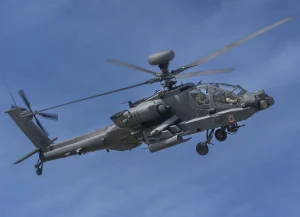
- Turkish jets are in Somalia. Türkiye’s defence ministry confirmed in April that F-16s and attack and transport helicopters deployed to Somalia took part in the Somali army anniversary flyover on 12 April, Somalia Today noted.
- Combat use around Baidoa has been reported. AFP reported that Turkish F-16s fired missiles around Baidoa on 28 September while helping federal troops repel an attack by Laftagareen’s forces (via Arab News). Ankara has not publicly confirmed those strikes.
- Ankara’s line. A senior Turkish official told AFP that “Turkey’s support is intended for the Somali people and for Somalia, not for any specific political line”.
Other claims remain unverified:
- On 24 October Laftagareen’s office accused Turkish Bayraktar TB2 drones and F-16s of strikes that killed civilians and destroyed homes, livestock and farmland around Waajid and Baidoa (Shabelle Media). It gave no supporting evidence, and the claims have not been independently verified.
- After the 28 September fighting, his office said six missiles struck civilian areas of Baidoa and killed four children. Somali Guardian reported that independent accounts confirmed aircraft and drones overhead but did not establish who carried out individual strikes.
- On 27 October Somalia’s Office of National Security dismissed reports that Turkish F-16s or drones had mistakenly hit Somali troops near Leego as “fabricated and baseless”. That came during the Operation Banooda fighting on the Mogadishu–Baidoa road.
A pattern since August
Diinsoor is not the first place this has happened:
- 8 August: villagers outside Baidoa burned a Turkish flag over alleged air strikes on farmland and livestock (Baidoa Online, Garowe Online).
- Early September: protests spread through Jubaland, in Kismayo, Afmadow, Doolow and Garbahaarey. They followed the 3 September blast at the Doolow home of opposition general Mahad Abdirahman, which Jubaland blamed on a Turkish drone. Mogadishu said explosives being prepared inside the house caused the blast (Somali Guardian, AFP).
- 12 September: residents of Eyl, in Puntland’s Nugaal region, burned a Turkish flag, according to Radio Daljir.
Somalia’s parliament speaker Abdulkadir Mohamed Nur called the flag-burning “shameful”, and the government says the opposition is using “disinformation” to damage relations with Ankara.
Analysis: why this matters for Ankara
Türkiye has more at stake in Somalia than anywhere else in Africa. It runs its largest overseas military base, the TURKSOM training facility in Mogadishu. Its F-16s, drones and helicopters operate from Somali soil. It is building a rocket and satellite launch site at Warsheikh and exploring for oil and gas offshore. Turkish companies run Mogadishu’s airport and seaport. Turkish-trained Gorgor and Haramcad units form the core of the federal army’s offensive capability. More broadly, Somalia is the centrepiece of Türkiye’s defence footprint across Africa.
That footprint was built on counter-terrorism against al-Shabaab, which is broadly accepted in Somalia. The problem is that the same air power is now reported in fighting between federal forces and an armed member-state faction. In that kind of fight, any strike can be described as taking sides. Ankara’s position that it backs the recognised federal government is legally straightforward. In Bay, Bakool, Gedo and Lower Juba, though, it is increasingly being rejected on the street. Laftagareen’s camp and Jubaland’s leadership are actively encouraging that rejection.
The timing also matters. Uganda has begun pulling its troops out of Somalia, and AUSSOM funding is uncertain. Egypt’s planned deployment is still taking shape. As other partners scale back, the burden on Somali forces, and on the Turkish air support behind them, is likely to grow. If more of that air power is used in disputes between Somalis rather than against al-Shabaab, the backlash in places like Diinsoor will probably grow with it. Several unanswered questions would reduce that risk if Ankara or Mogadishu addressed them openly: who authorises strikes, against which targets, and with what checks on civilian harm.
Verified and unverified
- Reported by local media: an anti-Turkey protest in Diinsoor around 30 October, including a Turkish flag being burned. The original source is Baidoa Online. Defence Mena did not independently verify the X video’s date or location.
- Reported by AFP: Turkish F-16s fired missiles around Baidoa on 28 September in support of federal troops. Ankara has not confirmed this.
- Unverified: claims by Laftagareen’s camp that Turkish strikes killed civilians in Bay and Bakool, and any link between a specific strike and the Diinsoor protest.
- No official comment: neither Türkiye nor the Somali federal government has commented on the Diinsoor protest.