Austrian and Swiss Hostages Held in Niger Freed to Haftar’s Benghazi: What Is Confirmed

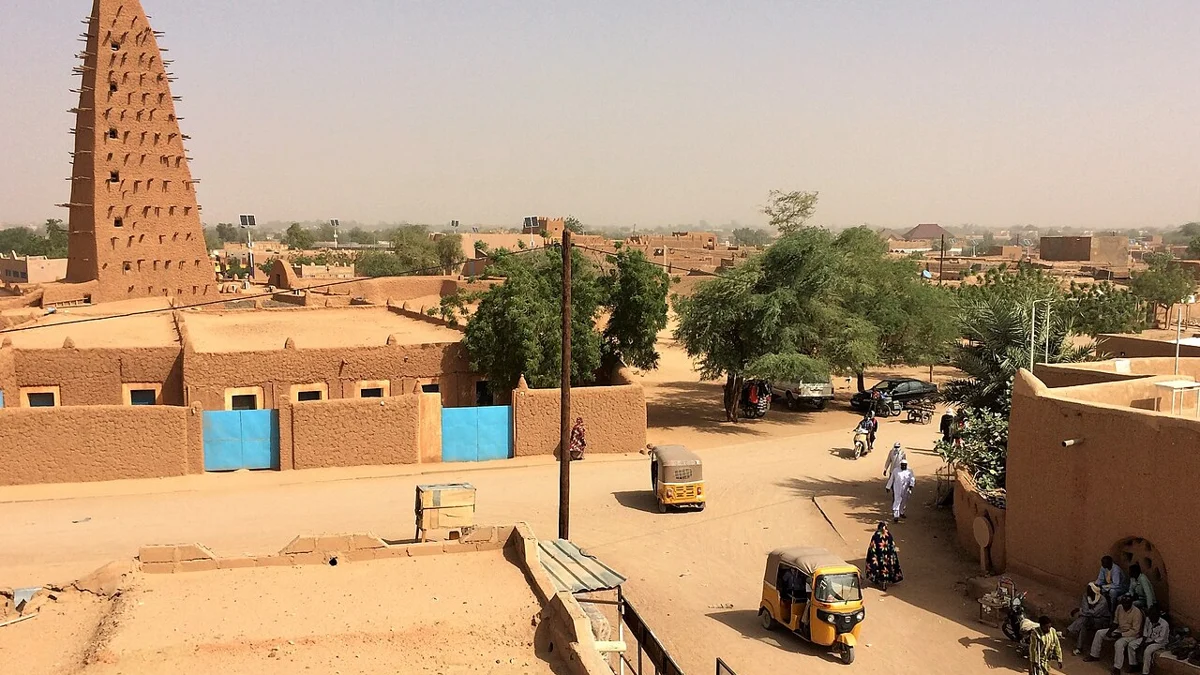


Two European women kidnapped in Niger in 2025 have been freed and flown to Benghazi in eastern Libya, the Swiss and Austrian governments confirmed on 22 October 2026. Austrian aid worker Eva Gretzmacher, 76, and Swiss community worker Claudia Abbt, 69, were both abducted in the northern Nigerien city of Agadez. Eastern Libyan television credited Saddam Haftar, deputy commander-in-chief of the forces led by his father Khalifa Haftar, with securing the release. Who held the women, where, and on what terms has not been disclosed.
What the governments have confirmed
- Switzerland: the Federal Department of Foreign Affairs said the Swiss citizen kidnapped in Niger on 13 April 2025 had been released. Swiss federal staff met her in Benghazi, where she received medical care, and the ministry said she was “doing well under the circumstances” and on her way home. Foreign Minister Ignazio Cassis said he was relieved she was free “after more than a year and a half”. Bern said it had set up a task force with the foreign ministry, police and other agencies after the abduction, and had stayed in regular contact with Austria.
- Austria: Foreign Minister Beate Meinl-Reisinger said Eva G. had been received by an Austrian crisis team after “intensive diplomatic efforts”. “For many months, we worked closely, discreetly and in a spirit of trust with our regional, European and international partners,” she said. Gretzmacher was taken on 11 January 2025, AFP reported, which means she spent more than 21 months in captivity.
Neither government named the partners it worked with or described how the release was arranged.
What eastern Libya says
The Benghazi-based channel Al-Masar announced overnight on 21–22 October that the two hostages had arrived in the city “thanks to the intervention of the Deputy Commander-in-Chief”, Saddam Haftar. It broadcast a video in which the women, seated beneath a portrait of Field Marshal Khalifa Haftar, gave their names, ages and time in captivity in French and thanked both men. “I was taken hostage a year and six months ago. Now I am happy to be free,” Abbt said, according to Keystone-SDA. Libyan officials said the women would be handed to their countries’ authorities once procedures were complete.
A plane was due to leave Benghazi on Thursday, stopping first in Vienna before continuing to Switzerland, the Agadez outlet Air Info reported, as cited by the BBC.
What is not known
- Who held them. No group has claimed the kidnappings. Some earlier reports linked them to Islamic State militants in the Sahel, but no government has confirmed this.
- Where they were held. Officials have not said where the women were held or how they reached Libya.
- The terms. Nothing has been said about demands, a ransom or a prisoner exchange, and there is no public account of what the Haftar camp did beyond the Al-Masar statement.
- Niger’s role. Niamey’s military government has not publicly described any part in the release.
Why a Libyan commander was the go-between
The Libyan National Army controls eastern Libya and much of the south, including desert areas on the routes that run to Niger and Chad. That gives the Haftar family contacts across a border region where armed groups, smugglers and traffickers all operate. Saddam Haftar has taken on a larger public role in recent years, including in foreign contacts. A high-profile hostage release adds to that profile at a time when the eastern authorities are seeking more recognition abroad. In October the eastern-based parliament also approved the 2019 maritime deal with Türkiye.
The case also shows how much regional security work in the Sahel now runs through non-Western partners. France and the United States have withdrawn their forces from Niger since the July 2023 coup. Neighbours have moved in: Algeria, for instance, has a new military presence in Niamey.
The Sahel kidnapping threat
Kidnapping of foreigners has increased in Niger over the past year, Keystone-SDA and the BBC noted. Agadez, once a hub for tourism and aid work, sits on desert routes used by jihadist groups linked to al-Qaeda and the Islamic State, as well as by smugglers. Islamic State’s Sahel branch remains one of the deadliest armed groups in the region. This month it was blamed for the killing of at least 48 civilians in Mali’s Ménaka region. Our overview of military drones in the Sahel looks at what Niger and its neighbours are using against these groups, including Niger’s Bayraktar TB2 fleet.
This article will be updated if Swiss, Austrian, Nigerien or Libyan officials release more details.
Photo: The Grand Mosque and old city of Agadez, Niger (file photo, cropped). Credit: Vincent van Zeijst, CC BY-SA 4.0, via Wikimedia Commons
Sources
- BBC News, “Two European women held captive for more than a year in Niger freed in Libya”, 22 October 2026
- AFP via Arab News, “Swiss, Austrian women freed after Niger kidnap ordeal”, 22 October 2026
- Keystone-SDA via SWI swissinfo.ch, “Swiss and Austrian hostages freed in Niger”, 22 October 2026
- AP, “An Austrian and a Swiss woman are freed in Niger”, 22 October 2026
- DW, “Austrian, Swiss women kidnapped in Niger are freed”, 22 October 2026
- Swiss FDFA, “Swiss woman kidnapped in Niger” (case page)