Islamic State Kills at Least 48 Civilians in Mali’s Ménaka Region: What Is Confirmed

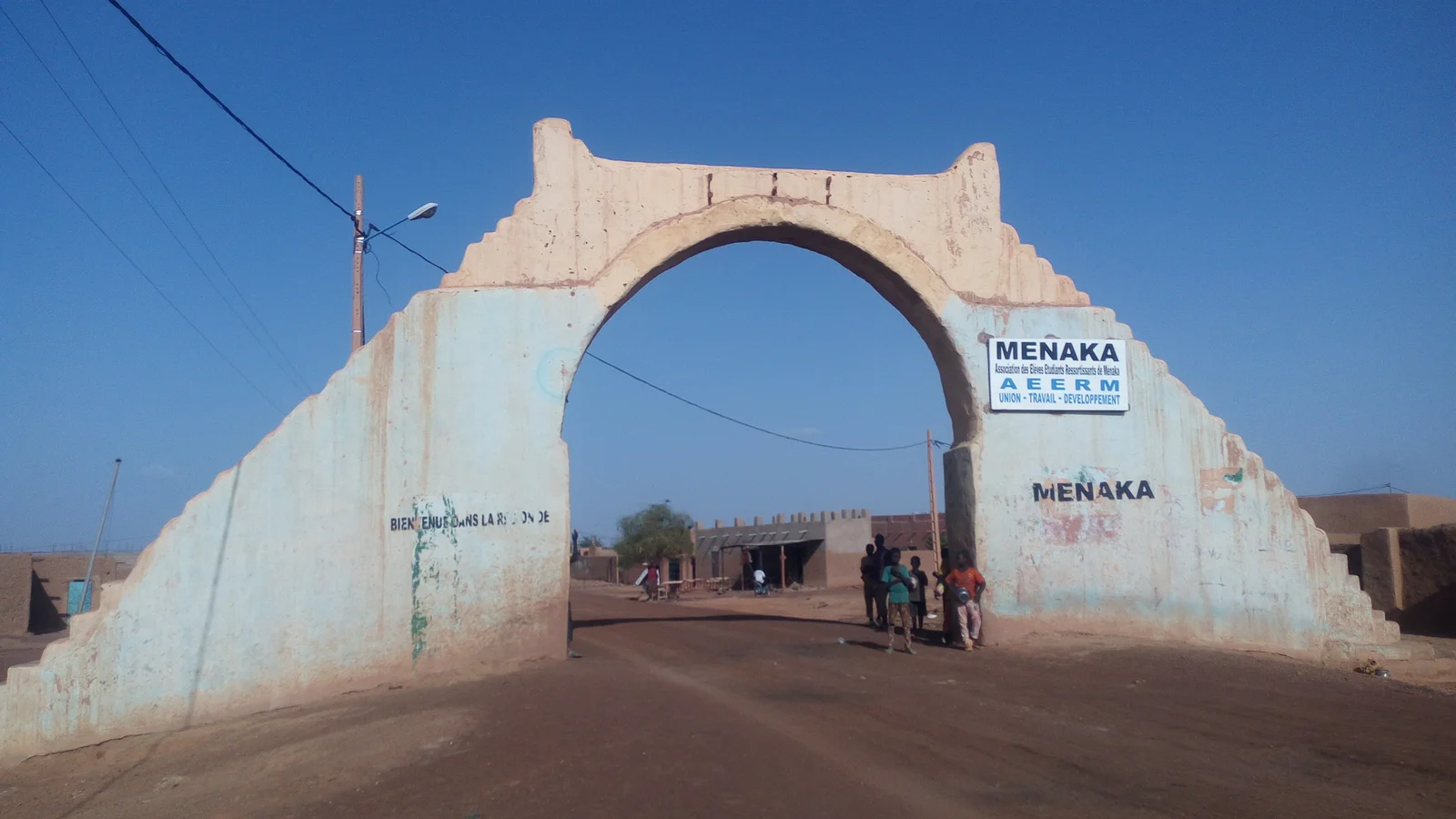


Fighters from the Islamic State Sahel Province (ISSP) killed at least 48 civilians in attacks on camps in Mali’s eastern Ménaka region on Sunday 18 October 2026, according to a local lawmaker, a community body and security sources quoted by Reuters, AFP and AP. Victims were shot or died when their homes were set on fire, and hundreds of people fled towards Ménaka town. The group has not claimed the attacks, and the final toll is still being established: sources gave Reuters provisional figures ranging from 48 to more than 70.
Several of those sources describe the killings as retaliation against civilians accused of passing information to Mali’s army and its allies, which had been operating in the same area days earlier.
What is confirmed so far
- Where: camps around 50 km from Ménaka town, including the Tagadayat area and the locality of Tinabow, according to AFP. Reuters’ sources say at least five localities in the region were hit.
- When: Sunday 18 October. AP, citing lawmaker Moussa Ag Acharatoumane, says the attack ran from Sunday night into Monday morning.
- Who was killed: civilians, including children and elderly people, according to Ag Acharatoumane. The Executive Bureau of the Daoussahak community said at least 48 civilians were killed in Tagadayat. A local elected official told AFP more than 50 had died. A Gao-based security source told AFP the dead were mostly men.
- How: local witnesses told AFP that attackers arrived on several dozen motorbikes, opened fire and burned homes. Reuters’ sources say livestock was stolen.
- Who is blamed: ISSP. The Daoussahak community’s bureau and Ag Acharatoumane attribute the attacks to the group. ISSP has not claimed responsibility.
The death toll should be treated as a minimum. Every figure published so far comes from local or security sources speaking to news agencies, and no official Malian government toll has been released.
Why the camps were targeted
The accounts converge on reprisal. Ag Acharatoumane told AP that ISSP accused the civilians of revealing the group’s positions to the Malian army, which had carried out a drone strike against it. The Malian Armed Forces said they had struck what they called “a major base sheltering several terrorist elements as well as military and logistical equipment” about 65 km south-west of Ménaka on Saturday 17 October.
Reuters’ sources add a second layer. A municipal official in Ménaka told the agency that militiamen of the Movement for the Salvation of Azawad (MSA), who were accompanying the army and Russia’s Africa Corps, had “committed abuses against civilians suspected of being informants for the Islamic State” the week before, killing “about a dozen people”, burning houses and taking property. Those allegations have not been independently verified. A Malian military spokesperson and Russia’s embassy in Bamako did not respond to Reuters, and Mali has previously denied killing civilians in counter-insurgency operations.
The MSA draws largely from the Daoussahak community whose camps were hit, and it is close to the junta in Bamako. Its leader is Ag Acharatoumane himself, who sits on the National Transitional Council, Mali’s appointed legislature. A security source told AFP that his residence in Ménaka town was also targeted, without casualties.
The pattern in Ménaka
Ménaka is ISSP’s main ground in Mali, and the region borders Niger, where the group is also active. It operates there in competition with al Qaeda’s Sahel affiliate, Jama’at Nusrat al-Islam wal-Muslimin (JNIM), and the two groups have been fighting each other across the tri-border area with Burkina Faso and Niger. For what is documented about those clashes, see our explainer on JNIM and the Islamic State in the Sahel.
The weekend’s events also fit a wider cycle in which Mali’s air campaign, militias and Russian auxiliaries operate in areas where civilians are caught between armed groups that each treat them as informants for the other side. Human Rights Watch has separately linked Malian army drone strikes to civilian deaths; see our report on the HRW findings. For how Bamako built up the drone fleet it now relies on, see why Mali expanded its drone fleet.
What to watch
- A final toll. Provisional figures run from 48 to more than 70. A Malian government or UN humanitarian figure would settle the range.
- An ISSP claim. The group has not claimed the attacks. A claim through Islamic State channels would show how it frames the targets.
- The government response. Bamako has not publicly addressed the allegations against the MSA and Africa Corps, or announced an operation in response to the massacre.
- Displacement. The Daoussahak community bureau has appealed for emergency humanitarian aid for people who fled to Ménaka town.
Sources
- Reuters, “Islamic State-linked militants kill at least 48 civilians in eastern Mali, sources say”, 20 October 2026 (as republished by The Star).
- AFP, reported by Le Temps, “More than 40 civilians killed in attacks in north-eastern Mali”, 20 October 2026.
- The Associated Press, “Attack by Islamic State-affiliated group in Mali kills 48 people, official says”, 20 October 2026.
- Malian Armed Forces (FAMa) statement on a strike south-west of Ménaka, as quoted by AFP and AP.
- Executive Bureau of the Daoussahak community, statement of 19 October 2026, as quoted by AFP.
- Initial alert: The Africa Report on X.