Airbus to Open Helicopter MRO Hub in Morocco to Serve All of West Africa

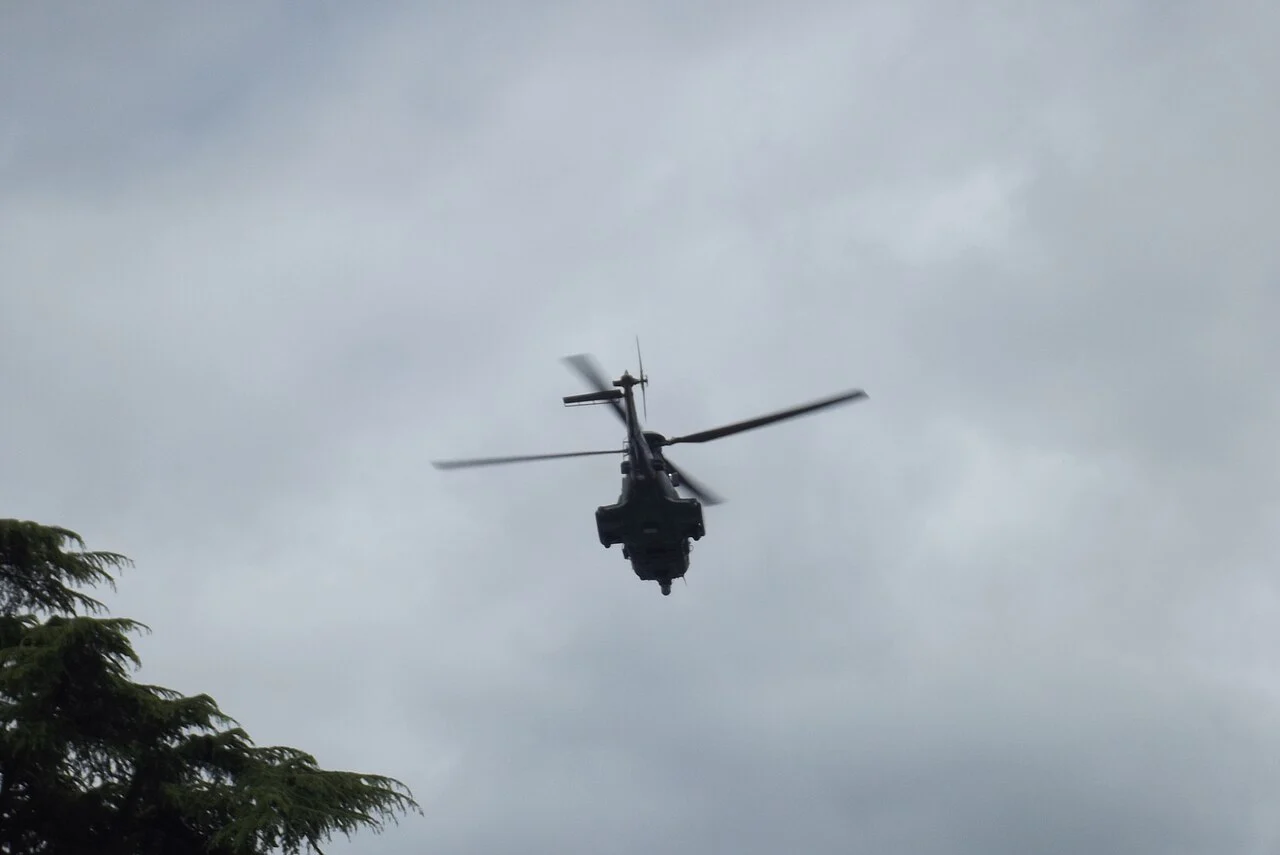


Airbus Helicopters will open a new maintenance, repair and overhaul subsidiary in Morocco in the coming months, designed to start by servicing the kingdom’s own fleet before expanding into a regional support hub covering all of West Africa.
Photo: An Airbus H225M Caracal military helicopter, one of the types in Moroccan service. Credit: Handelsgeselschaft, CC BY-SA 4.0, via Wikimedia Commons
Mickaël Bertrand, managing director of Airbus Helicopters Morocco, announced the new subsidiary this week, saying it is designed to cover “all of West Africa” once it is operating at full capacity. Airbus has not disclosed the hub’s eventual capacity or named which air forces or civil operators beyond Morocco it expects to serve.
What the Hub Will Do
The subsidiary will function as a dedicated maintenance, repair and overhaul (MRO) centre for helicopters, alongside a training centre with flight simulators for both Moroccan and international pilots. Airbus already provides technical and customer support for roughly 60 helicopters in Morocco, spread across the Royal Moroccan Air Force, the Royal Navy and the Royal Gendarmerie. Morocco’s Airbus fleet includes 10 H225M Caracals ordered for combat search and rescue, 12 H135M trainers, and an older Gendarmerie mix of AS355, AS365, AS550, SA315, SA316, SA342, SE3130, EC135, EC145 and H125 types — a wide enough spread of airframes to justify a standing local MRO base rather than relying solely on support flown in from Europe.
The plan builds on an Airbus announcement first made in July 2024, when the company signalled a future West Africa regional hub tied to a planned Casablanca-area facility; French- and Arabic-language coverage of this month’s Marrakech Air Show suggests that project is now close to formally opening. Asharq Bloomberg has separately reported a planned third Moroccan Airbus factory of roughly 6,900 square metres, which would expand the company’s local footprint by about 30 percent. Airbus Helicopters Morocco already employs around 1,300 people directly and supports an estimated 10,000 indirect jobs in the kingdom, according to company figures cited in regional press.
Why Morocco, Why Now
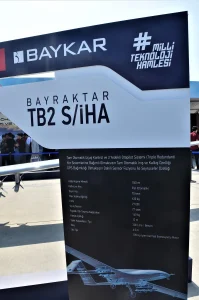
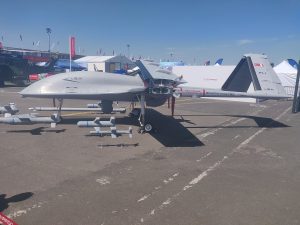
Morocco has spent the past decade positioning itself as Airbus’s preferred African base for both airframe and helicopter work, alongside its existing aerostructures plants that build sections for the A220 and A350. A dedicated helicopter MRO and training hub adds a rotary-wing leg to that strategy at a moment when Rabat’s own helicopter fleet, and its layered drone and precision-strike programmes — including the EDGE Group deal for Bayraktar TB2-compatible munitions announced this month — are expanding fast enough to need more sustainment capacity close to home. Gabriel Sémelas, Airbus’s president for Africa and the Middle East, has previously signed a separate consortium agreement covering Moroccan aerospace manufacturing, reinforcing the sense that Casablanca is becoming Airbus’s industrial anchor for the continent.
Why It Matters for Africa
A West Africa-facing MRO hub addresses a problem that has quietly limited African helicopter fleets for years: aircraft that sit grounded not for lack of airframes, but for lack of nearby spares, qualified technicians and simulator-based training. Air forces from Senegal to Côte d’Ivoire operate small numbers of Airbus helicopters that currently depend on support flown in from France or further afield, driving up costs and turnaround times. A Morocco-based centre, even starting modestly, shortens that supply chain for the whole region and gives Airbus a stronger case for winning future helicopter sales across West Africa — because buyers increasingly weigh in-region support as heavily as the aircraft’s own specifications. For Morocco, it is also one more data point in an industrial strategy that converts defence-adjacent manufacturing and services into a steady source of skilled jobs, not just a line item in the defence budget.
Sources