South Africa’s Rheinmetall Denel Munition (RDM) plans to open a dedicated production line for its new LongClaw guided glide bomb in the second half of 2027, after showing a mock-up of the weapon at AAD 2026. The munition is designed almost entirely in South Africa and aimed first at the growing African and international market for armed drones.
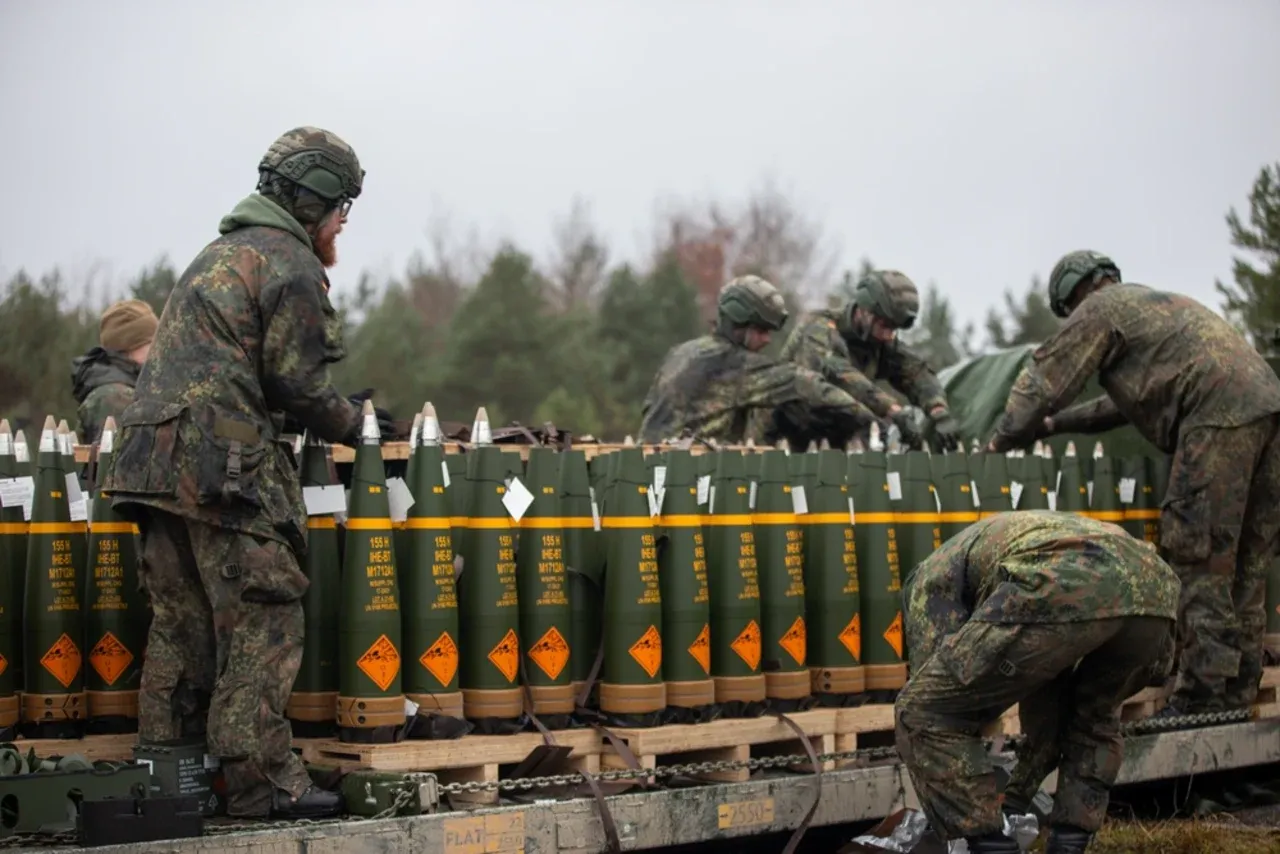
Photo: 155mm high-explosive shells produced by Rheinmetall Denel Munition, the South African joint venture now developing the LongClaw glide bomb. Credit: Capt. Thomas McCarty/US Army, Public Domain, via Wikimedia Commons
RDM chief executive Maximilian Froch said development of LongClaw began in early 2025 and has deliberately prioritised local content. “We have tried to have the most indigenous solution possible,” Froch said, according to defenceWeb. The weapon is manufactured almost entirely from South African-sourced components. RDM is the joint venture between Germany’s Rheinmetall AG, which holds 51%, and South Africa’s state-owned Denel, which holds the remaining 49%.
What LongClaw is
LongClaw is a GPS-guided glide bomb weighing 7.5 kg, of which 3 kg is warhead, and measuring 88 cm in length. Released from an altitude of roughly 4.9 km, it has a glide ratio of 3.7 to 1, giving it a maximum range of approximately 15 km, and a lethal radius of 30 metres. RDM says the munition is intended for use against infantry, soft-skinned vehicles, radar systems, communications nodes, electronic-warfare equipment, air-defence systems and airfields.
A mock-up was displayed at AAD 2026, held at Air Force Base Waterkloof, mounted on Paramount Group’s V-Raven unmanned aircraft and on the Mwari surveillance and light-attack platform, where four rounds were shown carried under the wings. RDM says small quantities are currently being hand-assembled while the weapon undergoes evaluation on multiple unmanned platforms; the formal production line is not expected to start until the second half of 2027.
Drones first, manned aircraft later
RDM is targeting the unmanned systems market first because UAV weapons qualification is typically faster and cheaper than certifying a munition for crewed combat aircraft. The South African National Defence Force is a secondary prospective customer, and any export sale would require clearance from South Africa’s National Conventional Arms Control Committee, the body that vets all foreign arms transfers. RDM says it is already planning post-production upgrades, including alternative warhead options and improved guidance packages, once the initial production line is running.
The project adds to a run of unmanned-weapons announcements to come out of AAD 2026, where South African firms used the show to present loitering munitions, counter-drone interceptors and strike-capable UAV payloads rather than traditional towed or vehicle-mounted systems — a shift that tracks demand from African militaries fighting insurgencies where air power is scarce and low-cost precision strike is increasingly valuable.
Why it matters for Africa
LongClaw is another sign that South Africa’s defence-industrial base, battered by years of underfunding at Denel, is rebuilding around unmanned and precision-strike niches rather than trying to compete head-on in larger platform categories. A locally designed, GPS-guided glide bomb cleared for export would give African air forces and drone operators an alternative to Chinese, Turkish and Western precision munitions, at a point when demand for stand-off strike capability is rising across the Sahel, the Horn of Africa and central Africa. If RDM’s 2027 timeline holds and export approval follows, LongClaw could become one of the more significant African-designed precision weapons to reach series production this decade — though, as with most South African defence programmes of the past five years, the gap between a trade-show mock-up and a funded production line is the detail worth watching.
For more on South Africa’s defence-industrial recovery, see DefenceMENA’s coverage of Denel’s Rooivalk Mk1.1 upgrade, South Africa’s arms exports data, and the wider roundup of artillery systems in African service.