US Tells Gulf States to Prepare for a ‘Short, Intense’ Iran Campaign After the Midterms, WSJ Reports



The United States has told several Gulf Arab governments to prepare for a “short, intense” military campaign against Iran after the 3 November US midterm elections, The Wall Street Journal reported on Tuesday 27 October 2026, citing people briefed on the conversations. The White House declined to comment on “sensitive military plans that may or may not exist”. The report has not been confirmed by any Gulf government, and according to the Journal President Donald Trump has not made a final decision.
What the report says
According to the Journal, as summarised by Anadolu Agency and Ynet, the messages were passed through diplomatic and military channels. The newspaper said they are among a growing number of signs that the US and Israel are preparing a new round of heavy strikes meant to weaken Iran and push it towards negotiations. Citing officials, it reported that:
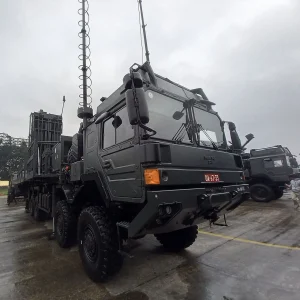
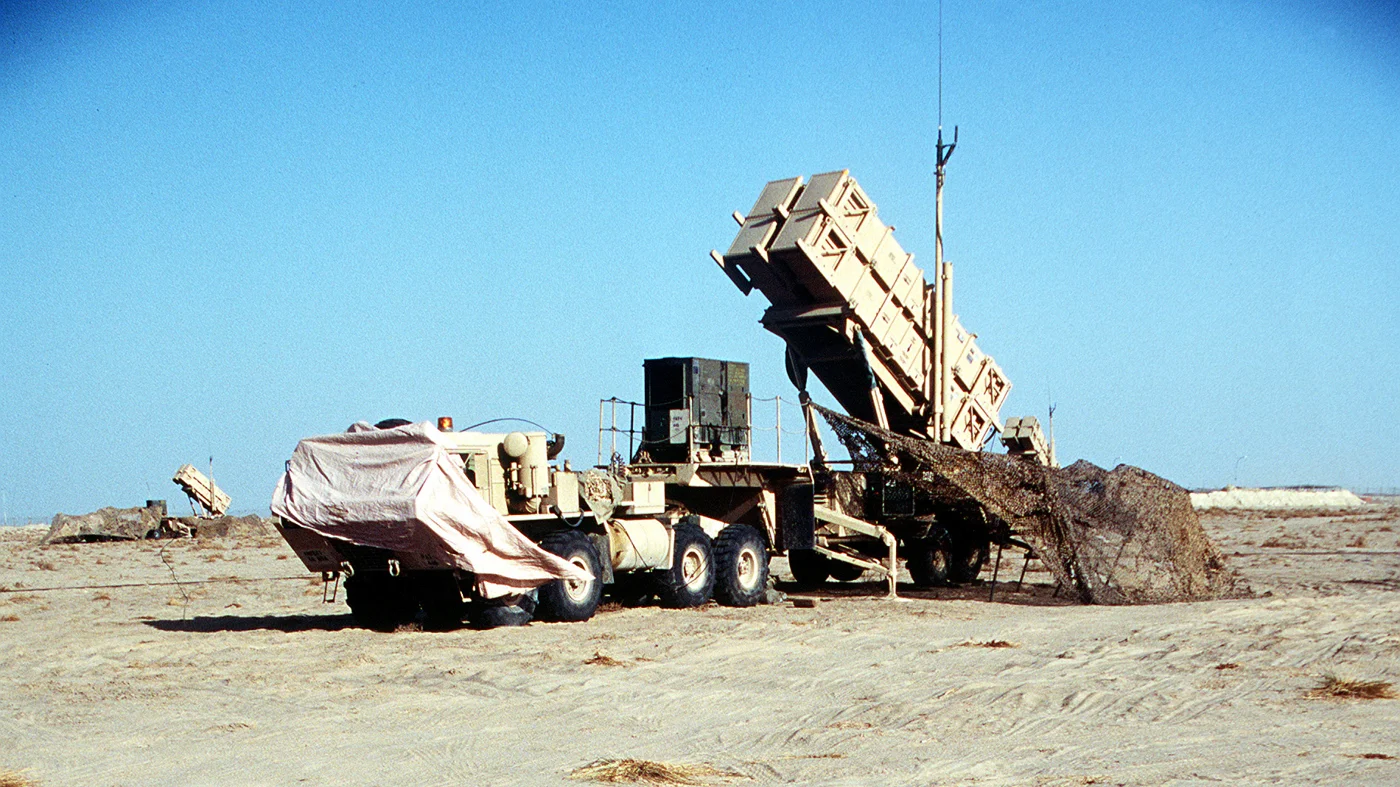
- the US military is moving a Patriot air and missile defence system from Texas to the region;
- troops have been moved away from bases considered vulnerable to Iranian retaliation;
- US forces in the region are restocking munitions, and bombers and fighter jets are being prepared for strikes;
- an additional aircraft carrier strike group and a Marine expeditionary unit are expected to join the roughly 20 US warships in the Middle East next month, although some may replace ships already there rather than add to the total.
People familiar with Trump’s thinking told the Journal he is leaning towards a large post-election attack that could target Iranian infrastructure and nuclear sites. A negotiated deal remains the alternative, and regional mediators are still trying to arrange one.
A second report points the same way
The Journal’s account follows a CNN report on 26 October in which two US officials said US forces in the Middle East could launch new, potentially major operations against Iran “within 96 hours” of an order from Trump, and that enough forces were already in the region to do so. Those officials said the scope would likely go beyond the limited strikes on radars and missile launchers carried out since Trump halted full combat operations earlier this year. A senior Pentagon official told CNN the department “is a planning organization” whose job is to develop options the president orders.
Both reports rely on unnamed sources. They describe preparations and options, not an order to attack.
What Trump and Netanyahu said
At a campaign rally in Lubbock, Texas, on Tuesday, Trump said: “You’ll see Iran in a couple of weeks, if you don’t mind.” He also said, according to Anadolu: “It could be over whenever I wanted it to be over.” Speaking after Israel’s election the same night, Prime Minister Benjamin Netanyahu said Israel had a “historic opportunity”, together with Trump, to eliminate the Iranian threat and that “the mission is not over”, in clips of his speech posted on X by Clash Report.
Why the Gulf states are being told
Gulf states host most of the US forces that would be involved and would be the most likely targets of Iranian retaliation. Since the US and Israel went to war with Iran on 28 February, Iran has answered with missile and drone attacks across the region and has effectively closed the Strait of Hormuz to ships that do not coordinate with its forces (our report on the latest Hormuz mine claims). A memorandum of understanding signed in June was meant to lead to a peace deal but collapsed, Anadolu notes, partly over navigation in the strait.
Saudi Arabia is at the same time under sustained missile attack from Yemen’s Houthis, who on 27 October claimed a strike on the Ras Tanura refinery (what is confirmed). On 26 October, Saudi Defence Minister Khalid bin Salman travelled to Tehran with Pakistan’s army chief and Türkiye’s intelligence chief for talks with Iranian leaders aimed at lowering tensions (our report). A Patriot battery moving into the region would add to the air defences that Saudi Arabia, the UAE, Qatar, Kuwait and Bahrain already field (which Gulf states operate the PAC-3 MSE interceptor).
What is not known
- Which Gulf governments received the messages, and how they responded. None has commented publicly.
- Where the Patriot system from Texas will be based, and when it will arrive.
- Whether Trump will order strikes at all; officials told both CNN and the Journal he has not decided.
Sources
- The Wall Street Journal: U.S. Warns Gulf of Possible Short, Intense Renewal of Iran War After Midterms (27 October 2026)
- Anadolu Agency: US warns Gulf states of possible ‘short, intense’ Iran war after midterms
- Ynet: US urges Gulf allies to prepare for possible Iran strikes after midterms, report says
- CNN: US has plans for major Iran strikes if Trump chooses (26 October 2026)
- Clash Report on X (first flagged the report)