Turkish drones, armoured vehicles, electro-optics and precision munitions are now fielded across the Sahel, West Africa and the Horn of Africa. This gallery surveys nine Turkish-built systems confirmed in African military service or under contract, with operators and one acquisition-status label per entry, drawn from manufacturer statements, defence ministries and regional reporting through September 2026.
DEFENCE AFRICA | Evergreen gallery | Data as of September 2026
Turkey’s rise as an arms supplier to Africa has been driven above all by Baykar’s Bayraktar TB2, whose low cost and combat record against insurgents made it the continent’s most consequential drone purchase of the past decade. But the TB2 is only the most visible part of a broader Turkish defence-industrial push into Africa that now spans armoured vehicles, electro-optics, ammunition and precision-guided munitions, backed by state export credit and, increasingly, local assembly and subsidiary arrangements rather than one-off sales.
The companies below sell independently and compete for the same African budgets, but several of their products are also designed to work together: Baykar drones fly with Roketsan munitions and, in some cases, ASELSAN sensors, while Otokar and Nurol Makina vehicles are marketed alongside the same export-finance packages. The result is a Turkish supply chain increasingly present across multiple domains of African force structures at once, a trend DefenceMENA has also tracked among Turkish-supplied systems more broadly.
Key facts
- Morocco paid roughly $70 million for 13 Bayraktar TB2s delivered in 2021, and now hosts TB2 and Akinci assembly for African deliveries (Africa Defense Forum, Feb 2025).
- Turkey exported 20 Otokar Cobra armoured vehicles to Chad and 25 to Senegal in 2018, according to UN Register of Conventional Arms transfer data cited by defenceWeb.
- ASELSAN told defenceWeb in September 2024 that its equipment is in service in 21 African countries, and it runs offices in Abuja, Pretoria and Algiers (ASELSAN 2025 annual report).
- MKE opened Zafer, its first African subsidiary, in Egypt in 2026 (DefenceMENA reporting).
- Somalia received two Bayraktar Akinci UCAVs in March 2025, its first heavy-strike drone (Military Africa; Army Recognition).
1. Bayraktar TB2 — operational across ten-plus African air arms
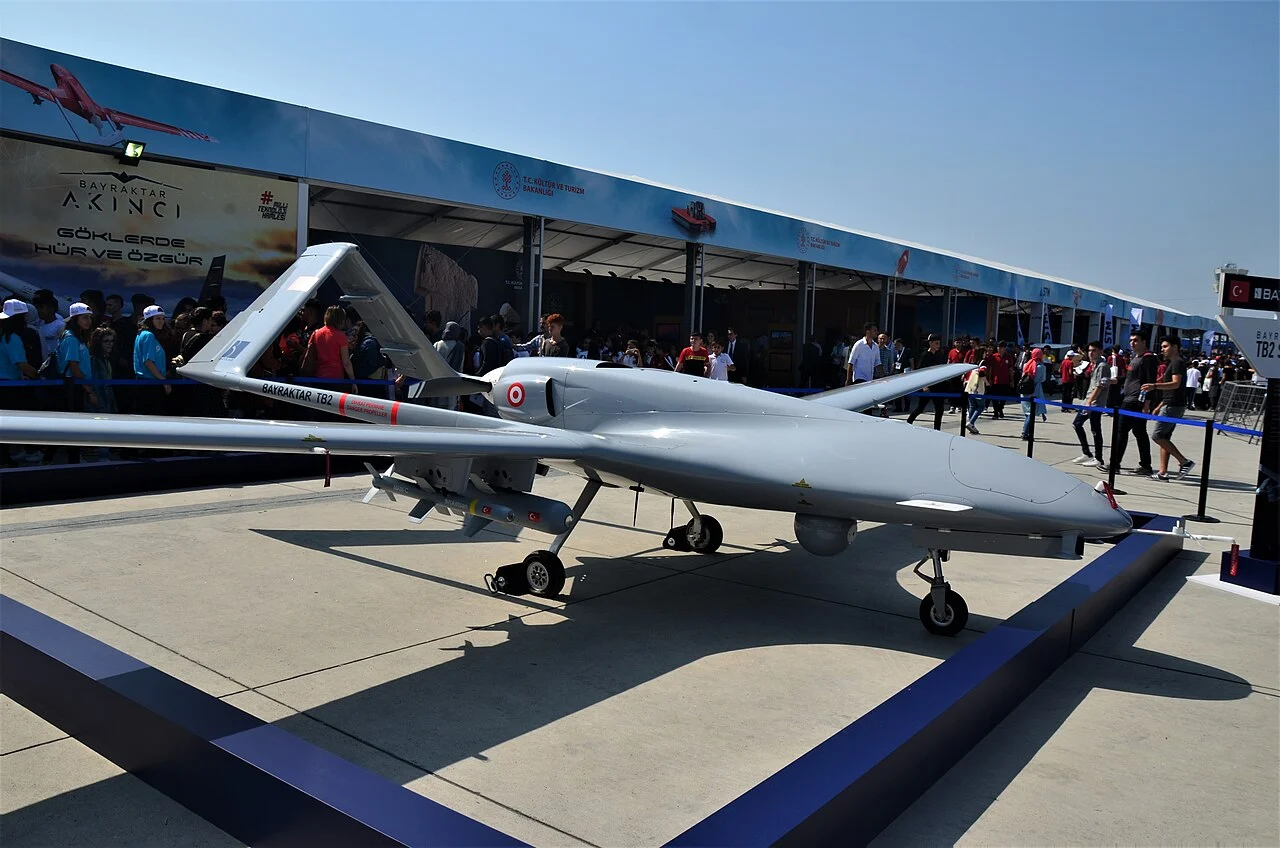
Baykar’s medium-altitude TB2 is Turkey’s flagship African export and the system that established the country as a serious defence supplier on the continent. Morocco acquired 13 TB2s for roughly $70 million, delivered in 2021 (Africa Defense Forum, Feb 2025), and now hosts a Baykar assembly line intended to speed deliveries elsewhere in Africa from December 2024. Kenya received six TB2s in late 2024 (Africa Defense Forum). Nigeria, Ethiopia, Niger, Burkina Faso, Mali, Somalia, Togo, Tunisia and Djibouti are listed as Baykar clients and have flown the TB2 operationally, mainly in counter-insurgency roles against Boko Haram, ISWAP, al-Shabaab and Sahelian militant groups. Manufacturer figures put unit cost at roughly $2 million to $5 million, well below Western medium-altitude systems, which analysts cite as the main driver of its spread. A full operator-by-operator breakdown appears in DefenceMENA’s dedicated TB2 operator tracker. Status: operational in the majority of listed states; Kenya and parts of Morocco’s fleet are the most recently delivered.
2. Bayraktar Akinci — Somalia’s first heavy-strike drone
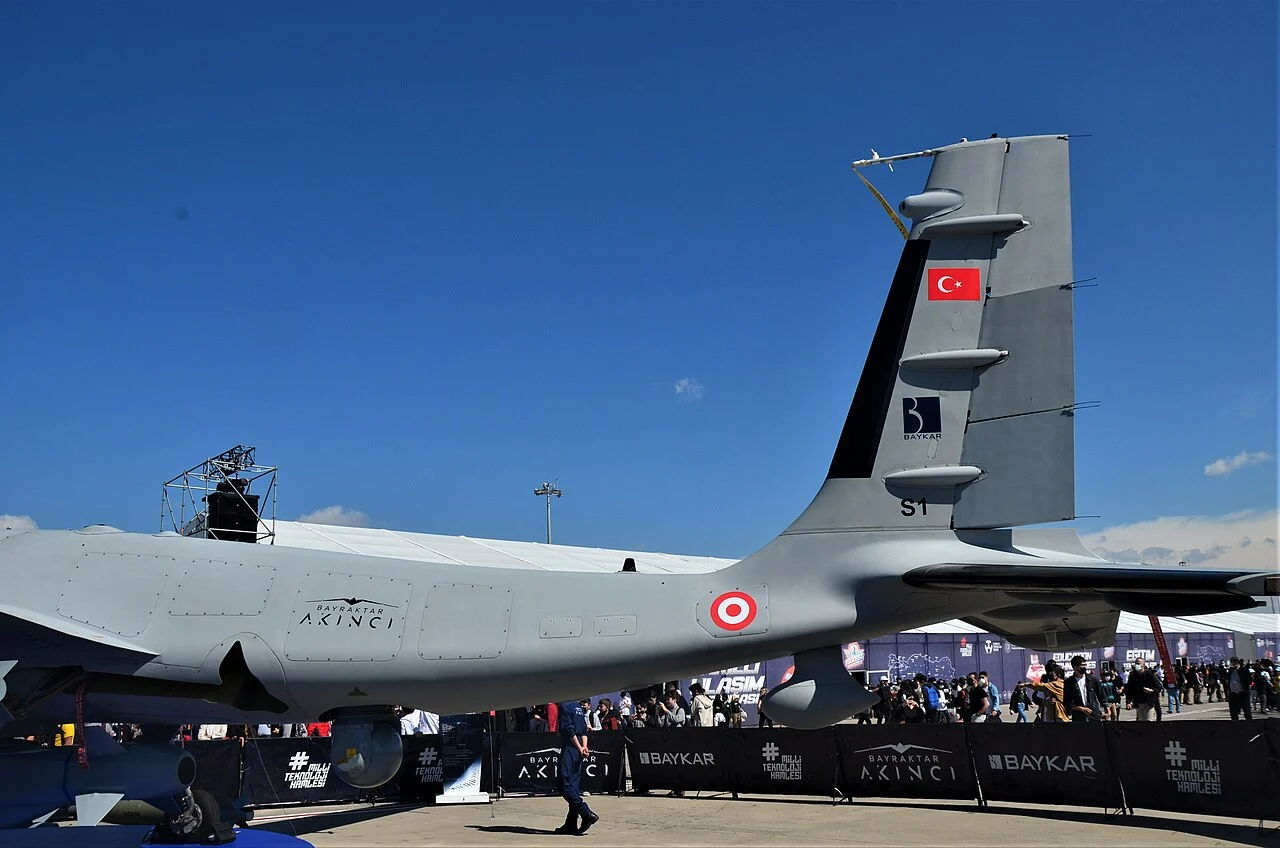
The larger, twin-engine Akinci carries a heavier payload and, per Baykar’s published specifications, an endurance beyond 24 hours and a ceiling around 30,000 feet, well above the TB2’s. Somalia received two Akincis in March 2025, flown in aboard a Turkish Air Force A400M for reassembly in Mogadishu, confirmed by Somalia’s Ports and Maritime Transport Minister (Military Africa; Army Recognition, March 2025); they are intended to extend the Somali National Army’s strike range against al-Shabaab beyond what its existing TB2s allow. Morocco is the other confirmed African recipient, receiving Akinci aircraft as part of the same programme that brought TB2 assembly to the country (Africa Defense Forum, Feb 2025). Ethiopia has also acquired Akinci airframes alongside its TB2s, according to reporting on the Tigray conflict’s drone war (Turkish Minute, September 2026), though Addis Ababa has not published operator details. Status: operational (Somalia, delivered March 2025); operational/local production (Morocco); reportedly in service (Ethiopia, unconfirmed by official statement).
3. Otokar Cobra and Cobra II — the continent’s most widely fielded Turkish armoured vehicle
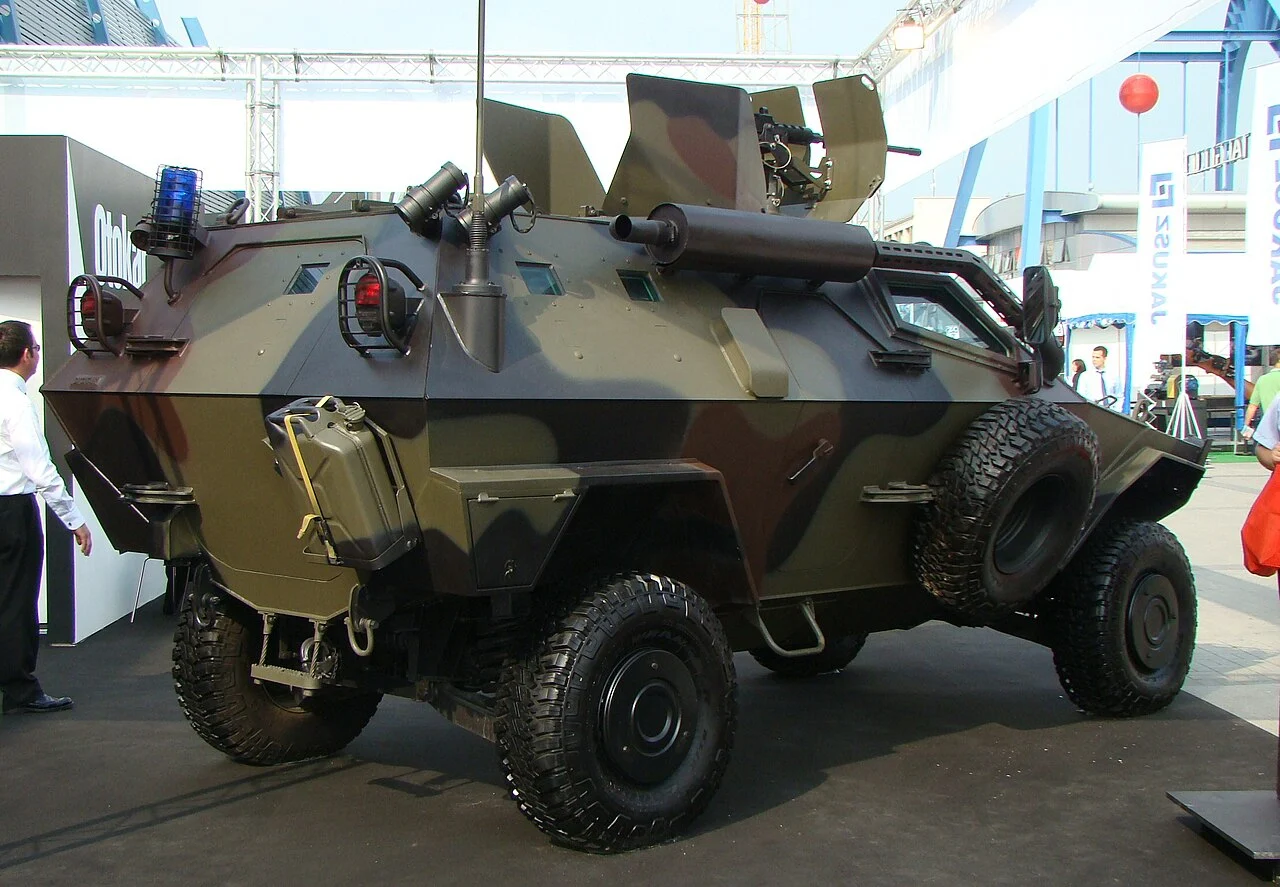
The Cobra 4×4, and its up-armoured Cobra II successor, is Otokar’s best-selling export to Africa. DefenceWeb has documented confirmed operators including Ghana (fielded by the 64th Infantry Regiment and 153rd Armoured Regiment), Burkina Faso, Algeria, Mauritania, Nigeria, Rwanda and Tunisia. UN Register of Conventional Arms transfer data cited by defenceWeb records Turkey shipping 20 vehicles, believed to be mostly Cobras, to Chad and 25 to Senegal in 2018. Nigeria has used Cobras in counter-insurgency operations in the northeast since 2013, and Rwandan Cobra IIs have deployed with peacekeeping contingents in Mozambique’s Cabo Delgado province. Otokar states its vehicles are in service in 32 countries worldwide, a significant share of them African. Status: operational across all listed operators.
4. Otokar Arma 8×8 — Africa’s first order, customer still undisclosed
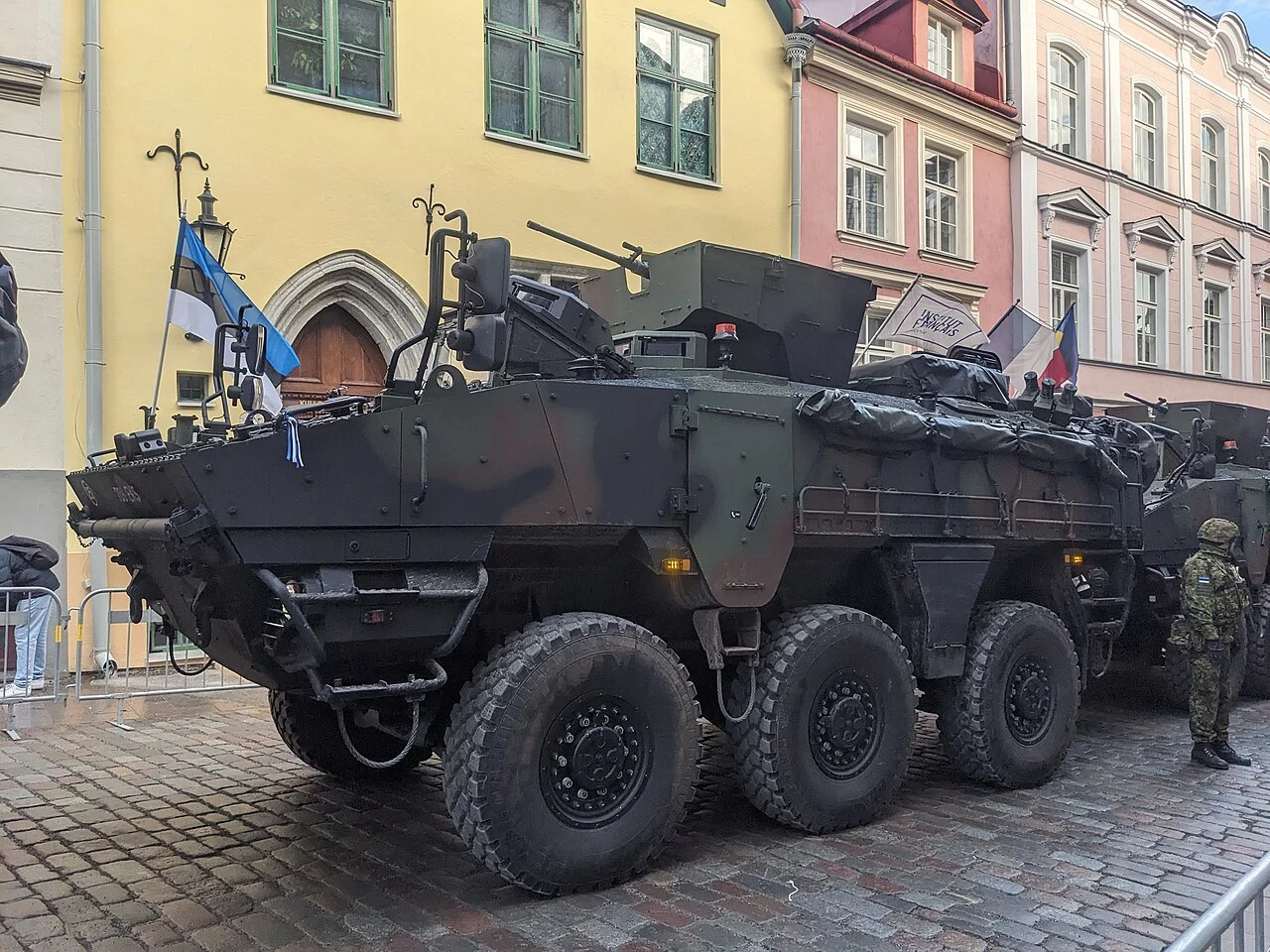
In 2020 Otokar signed its first African export contract for the wheeled Arma 8×8, packaged with Cobra II vehicles, spares and training in a deal reported at roughly $110 million (Army Recognition; Defence Turkey, 2020). Deliveries were slated to begin in early 2021 and complete by the end of 2022. Otokar has never publicly named the customer state, and no African armed forces list has since confirmed an Arma 8×8 fleet, making this the least transparent entry in this gallery; DefenceMENA is reporting the contract as disclosed by Otokar and trade press rather than naming an operator. Status: contracted (2020); delivery and identity of the recipient state unconfirmed as of September 2026.
5. Nurol Makina Ejder Yalcin — Niger’s mine-protected 4×4
Niger ordered an undisclosed quantity of Nurol Makina’s Ejder Yalcin 4×4, alongside Bayraktar TB2s, in 2022 (Military Africa, March 2022), as part of a wider push to re-equip its forces against jihadist groups operating from Mali and northern Nigeria. The V-hulled, mine- and IED-protected Ejder Yalcin can carry up to 11 personnel and a 4-tonne payload, according to Nurol Makina’s published specifications. Turkish trade press reported in December 2024 that production against Niger’s order was under way; DefenceMENA found no confirmation of completed deliveries as of September 2026, and published figures on the exact quantity ordered vary between reports. Status: ordered (2022); production reported under way, deliveries unconfirmed.
6. ASELSAN electro-optics and the Aselflir-500 — integrated onto South Africa’s Mwari
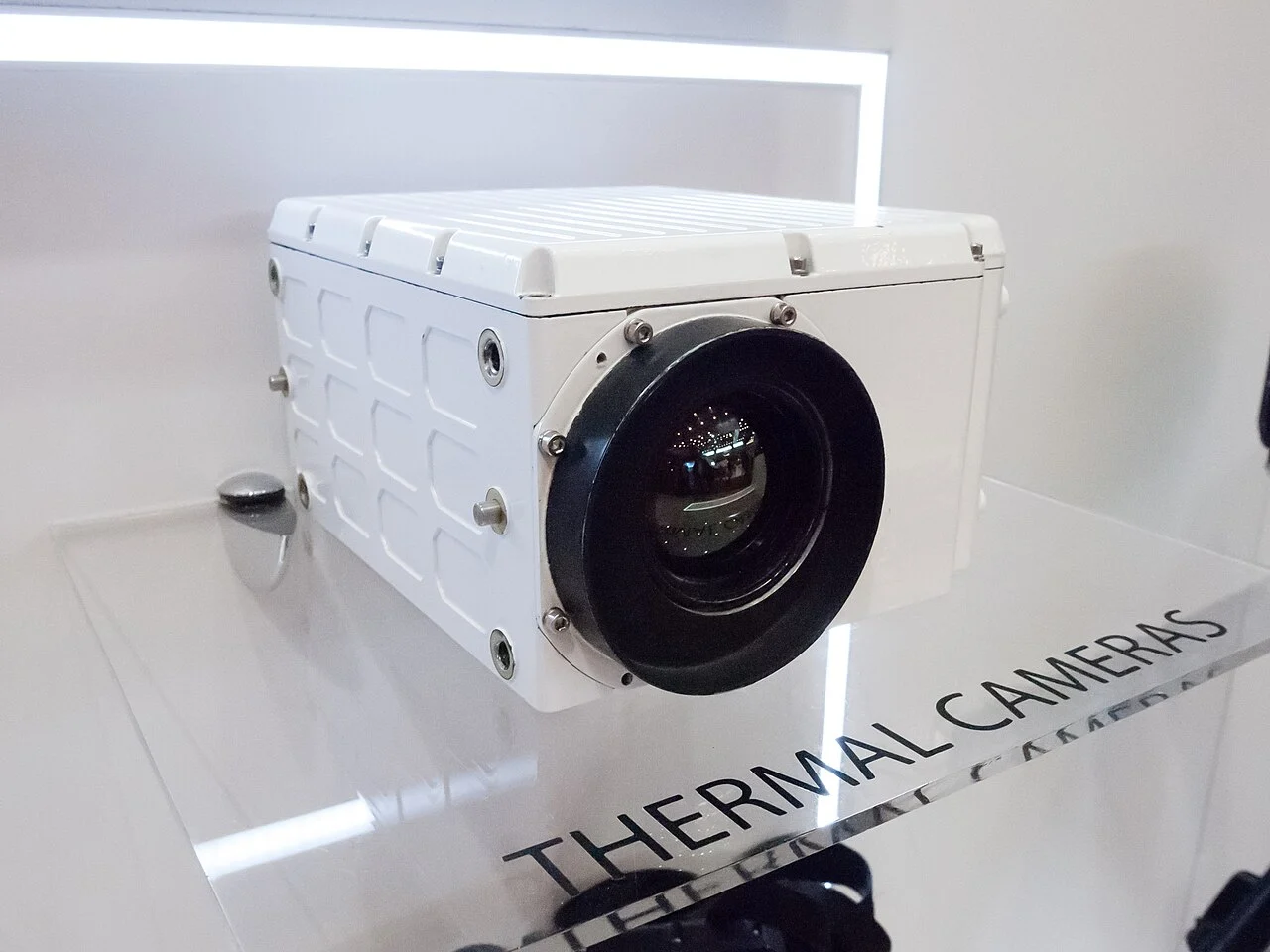
Rather than selling complete platforms, ASELSAN has increasingly embedded itself in African-designed systems. Its Aselflir-500 electro-optical reconnaissance, surveillance and targeting turret, a 15-inch gimbal with mid-wave infrared, HD day-TV and laser designation out to roughly 35 km per manufacturer specifications, has been integrated onto Paramount Group’s South African-built Mwari light attack and ISR aircraft (defenceWeb). ASELSAN says the Aselflir-500 has been exported to more than 20 countries since entering serial production in 2024, including onto Bayraktar TB2 and TB3 airframes. The company has also opened a support hub in Abuja, Nigeria, and a production line in South Africa (Military Africa, April 2026). ASELSAN’s separate guidance of about $1 billion in 2026 export revenue refers to all export markets, not Africa alone (Anadolu Agency, December 2025). Status: operational (Aselflir-500 on the Mwari); expanding local presence (Nigeria, South Africa).
7. MKE small arms and ammunition — Egypt’s Zafer subsidiary
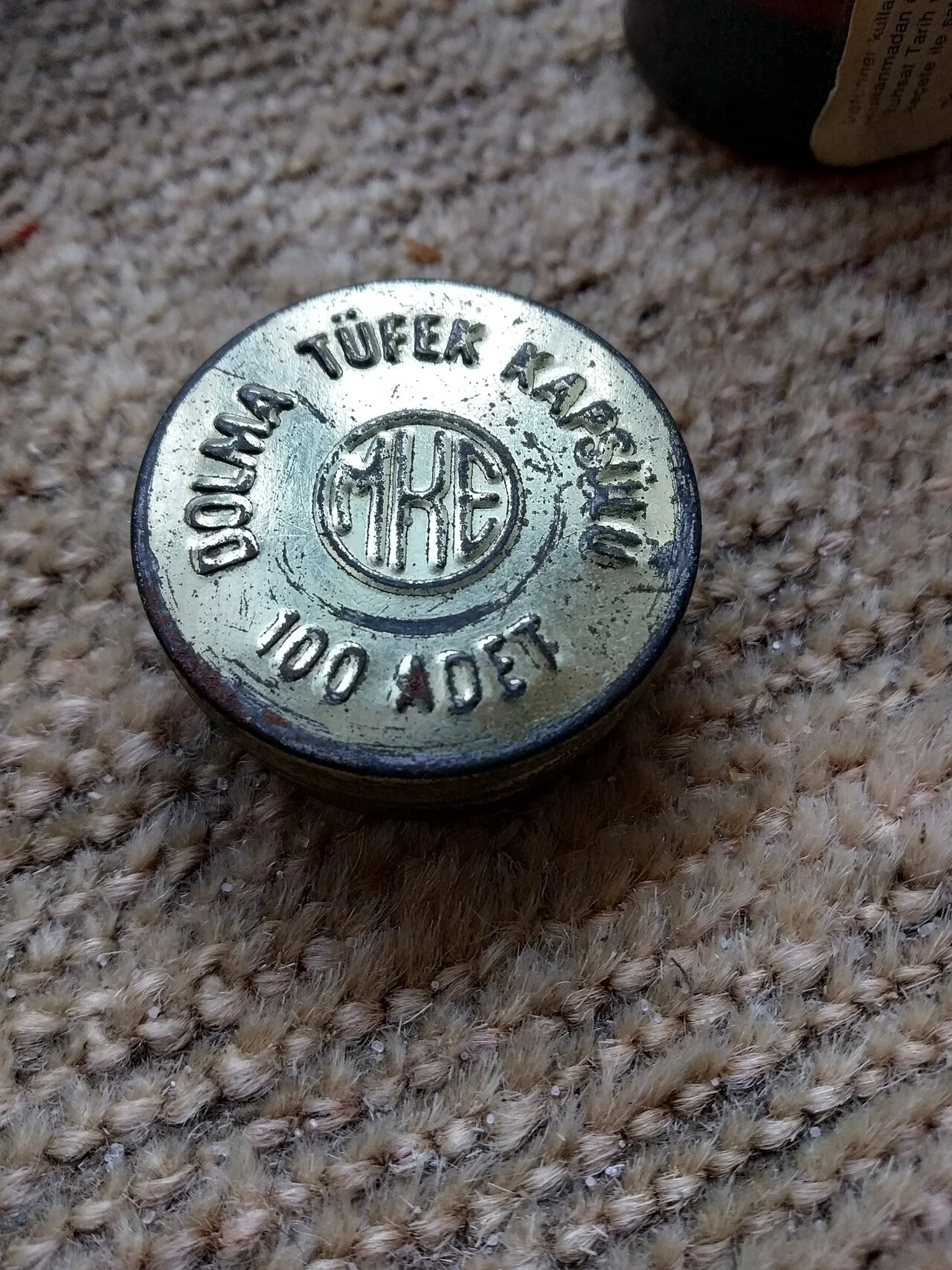
Turkey’s state-owned Makina ve Kimya Endustrisi (MKE) launched Zafer, its first African subsidiary, in Egypt in 2026, as DefenceMENA has reported. The move follows a pattern across Turkish state and private industry of shifting from arms-length exports toward local subsidiaries and joint ventures inside African markets, mirroring ASELSAN’s Nigeria and South Africa footprint. MKE’s core African business remains small arms ammunition and ordnance components rather than complete weapon systems; the company has not published country-by-country export or licensing figures for its wider African ammunition trade. Status: contracted/established (Zafer subsidiary, Egypt, 2026).
8. TAI Anka — Tunisia’s medium-altitude ISR fleet
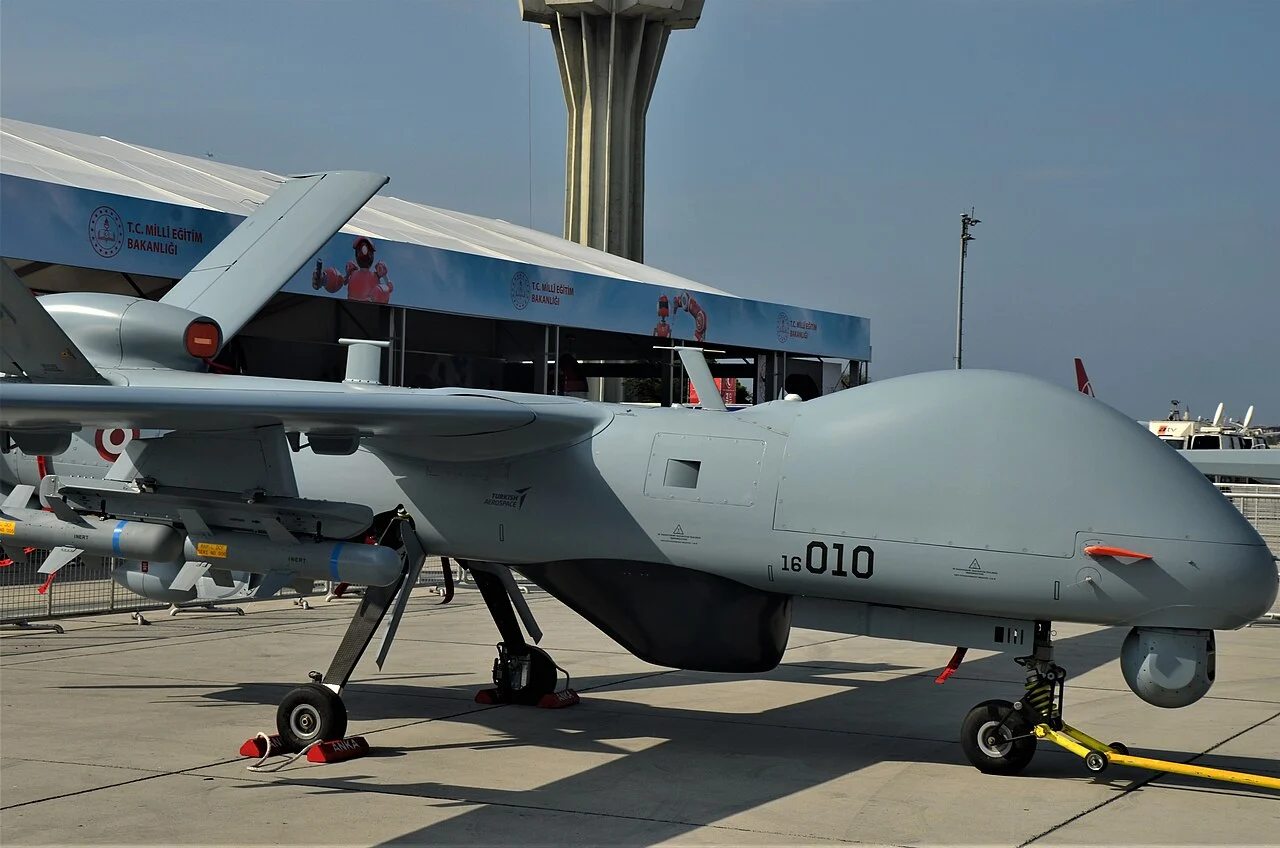
Turkish Aerospace Industries (TAI) delivered Tunisia its first Anka-S drones in the second half of 2021, under a contract for three aircraft and three ground control stations that also included training for 52 Tunisian pilots and maintenance personnel (Defense News, March 2020; Army Recognition). Two additional airframes followed by 2023, bringing Tunisia’s confirmed fleet to five, among the largest outside Turkey itself according to operator counts compiled by industry trackers. The Anka-S is used primarily for ISR and border surveillance along Tunisia’s frontiers with Libya and Algeria rather than in a strike role. Status: operational (Tunisia, five aircraft delivered 2021-2023).
9. Roketsan munitions — the warheads behind Africa’s Bayraktar fleets
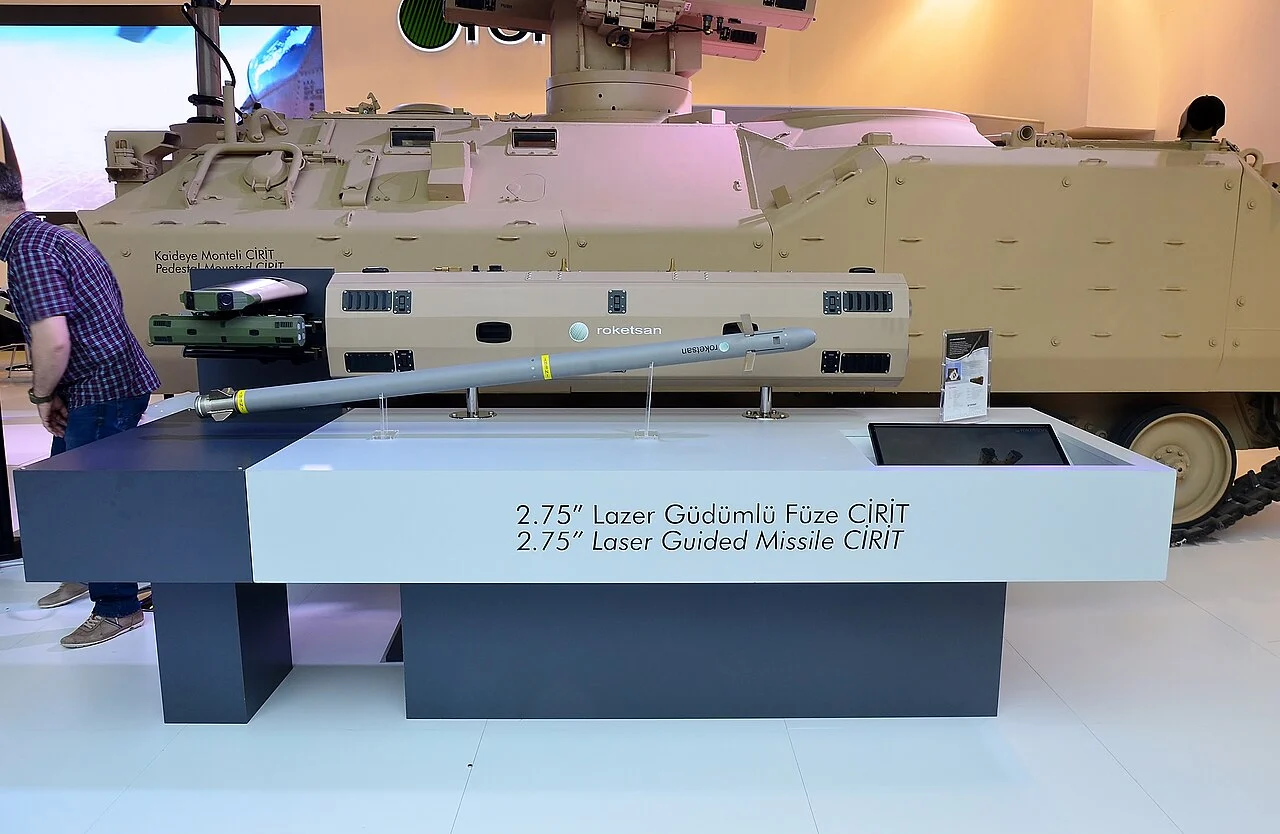
Roketsan’s MAM-L and MAM-C smart micro-munitions are the weapons most African TB2 operators actually fire, and the company has said it counts Niger, Mali, Ethiopia, Chad and Djibouti among African states using its munitions, largely through Baykar drone integration (defenceWeb; Military Africa, April 2025). Roketsan is also, according to Turkish trade press, preparing to export its Sungur low-altitude air defence missile to Nigeria, mounted on a BMC Vuran armoured vehicle pedestal; this remains a reported plan rather than a signed contract as of September 2026. Roketsan describes Africa as a priority growth market and says it now exports to roughly 50 countries worldwide. Status: operational (MAM-L/MAM-C munitions, multiple African TB2 operators); reportedly under negotiation (Sungur, Nigeria).
| System | Manufacturer | Confirmed African operator(s) | Status |
|---|---|---|---|
| Bayraktar TB2 | Baykar | Morocco, Kenya, Nigeria, Ethiopia, Niger, Burkina Faso, Mali, Somalia, Togo, Tunisia, Djibouti | Operational |
| Bayraktar Akinci | Baykar | Somalia, Morocco; reportedly Ethiopia | Operational / reportedly operational |
| Cobra / Cobra II | Otokar | Ghana, Burkina Faso, Algeria, Mauritania, Nigeria, Rwanda, Tunisia, Chad, Senegal | Operational |
| Arma 8×8 | Otokar | Undisclosed (contracted 2020) | Contracted |
| Ejder Yalcin | Nurol Makina | Niger | Ordered |
| Aselflir-500 / EO systems | ASELSAN | South Africa (Mwari); Nigeria and South Africa footprint | Operational |
| Small arms ammunition | MKE | Egypt (Zafer subsidiary) | Contracted/established |
| Anka-S | TAI | Tunisia | Operational |
| MAM-L/MAM-C; Sungur | Roketsan | Niger, Mali, Ethiopia, Chad, Djibouti (munitions); Nigeria (Sungur, reported) | Operational / reportedly under negotiation |
Why it matters for Africa
Turkey’s African footprint rests on affordability and speed rather than technological superiority over Western or Chinese alternatives. A TB2 at roughly $2-5 million per manufacturer-cited figures undercuts comparable Western medium-altitude systems by an order of magnitude, letting militaries with constrained budgets field persistent ISR and strike capability for the first time. The shift from one-off sales toward local assembly, such as Morocco’s TB2 and Akinci production line, ASELSAN’s Nigeria hub and South Africa line, and MKE’s Egyptian subsidiary, points to a second phase in which Turkish industry embeds itself in African supply chains rather than simply exporting finished hardware. That matters for sustainment: locally supported systems are cheaper to maintain and less exposed to export-licence disruption than platforms sourced from more restrictive suppliers. It also builds combat experience specific to African threat environments, from Sahelian insurgencies to Somali counter-terrorism operations, which increasingly shapes how Turkish manufacturers market follow-on systems back into the same markets.
For ASELSAN’s own footprint on the continent, see ASELSAN in Africa, and for the company profile, what ASELSAN makes.
Sources
- Africa Defense Forum: As Drone Warfare Expands in Africa, Turkey Increases Share of the Market
- Military Africa: Somalia Acquires Akinci Drone From Turkey
- Army Recognition: Turkiye Supplies Akinci Drones to Somalia
- Turkish Minute: Ethiopia Builds Domestic Drone Fleet Following Decisive Use of Turkish UAVs
- defenceWeb: Ghana Operating Otokar Cobra Armoured Vehicles
- Defence Turkey: First Otokar Arma 8×8 Export to an African Country
- Military Africa: Niger Orders Ejder Yalcin Armoured Vehicles From Turkey’s Nurol Makina
- defenceWeb: ASELSAN’s Aselflir-500 Integration With the Paramount Mwari
- Military Africa: Aselsan Announces Highest-Ever Financial Record Amidst African Expansion
- Defense News: Turkey’s TAI Sells Anka-S Drones to Tunisia
- Army Recognition: Tunisian Air Force Gets 2 Additional TAI Anka UAVs
- defenceWeb: Roketsan Aims to Increase Its Exports to Africa
- Military Africa: Roketsan Reiterate Its Hopes of Increasing Sales in Africa