Uganda Starts Pulling Troops Out of Somalia: Bilateral Force First, All Out by End-2027

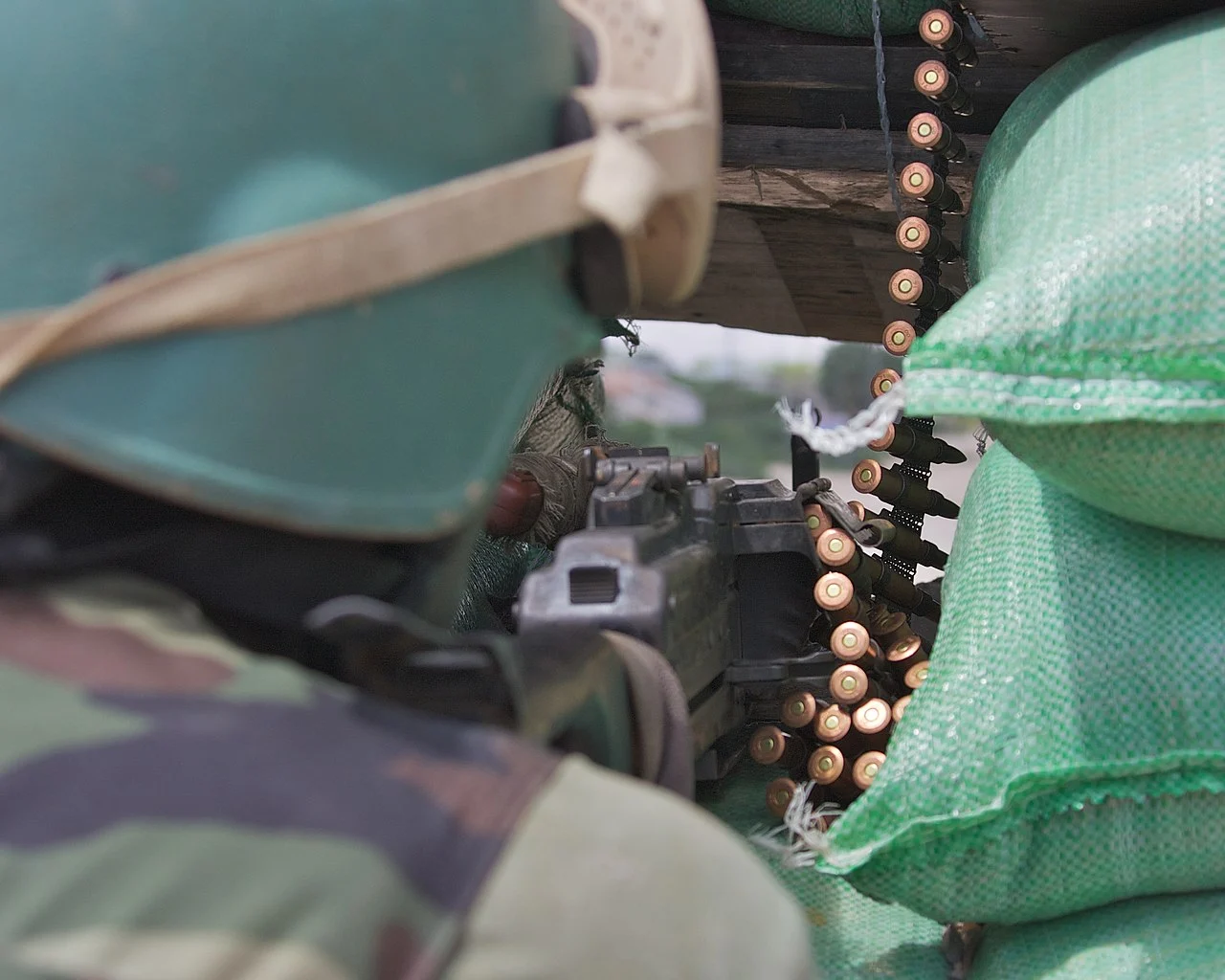


Uganda has started bringing its troops home from Somalia. The first group of soldiers withdrawn under the phased pull-out has already arrived back in Uganda, the Uganda People’s Defence Forces (UPDF) said on Monday 2 November, and the rest of the force deployed under a bilateral deal with Mogadishu is due out within days. All remaining Ugandan troops, including those serving with the African Union mission, are to leave by the end of 2027.
It is the first practical step in ending a deployment that began in March 2007, when Uganda became the first country to send troops to the African Union’s Somalia mission.
What the UPDF announced
The statement came from Col Chris Magezi, acting Director of Defence Public Information at Uganda’s Ministry of Defence and Veteran Affairs, and was carried by AP, AFP and the Daily Monitor. Its main points:
- Withdrawal has started: “The first cohort of troops under the phased withdrawal operation have already arrived back in Uganda,” Magezi said.
- Bilateral force first: troops serving under the bilateral arrangement with Somalia’s Federal Government are to complete their withdrawal “within the next few days”, according to Nile Post and the Monitor.
- AU contingent by end-2027: “The UPDF will gradually withdraw all its forces in Somalia, including those currently deployed under the African Union Support and Stabilization Mission in Somalia (AUSSOM) by the close of 2027,” the statement said.
- Handover: the army said the exit will end Uganda’s “20-year peace and stabilization support operations in Somalia” and let the Somali Armed Forces “assume full responsibility for security in the country”.
Local media reported that an initial contingent of 109 UPDF soldiers left Mogadishu on Friday 30 October, BBC News and DW said. The UPDF statement itself did not give the size of the first cohort.
The announcement follows a post on X last week by Chief of Defence Forces Gen Muhoozi Kainerugaba: “As we promised, we have started withdrawing UPDF from Somalia. After 20 years of a lot of blood and sacrifice, we are handing over security to our Somali brothers.”
How many troops are leaving
BBC News and DW put Uganda’s presence at about 4,500 troops under AUSSOM, plus about 2,000 deployed through the bilateral arrangement. Those bilateral troops sit outside the AU command structure, which is why they can be pulled out on a separate, faster timetable. Uganda holds AUSSOM’s Sector One, the area around Mogadishu and the Lower Shabelle region; it rotated a new unit, Battle Group 48, into the sector on 10 October.
A later deadline than before, and a reversal on the bilateral force
Monday’s timeline differs from what Ugandan officials said earlier this year. In late August Gen Muhoozi named 1 August 2027 as the date for a complete withdrawal. The army’s new wording, “by the close of 2027”, leaves room for several more months. The statement did not explain the change.
The order of the pull-out is also notable. In mid-August, Defence Minister Kiryowa Kiwanuka suggested Kampala might keep troops in Somalia under the bilateral agreement even after the AU mission wound down. Monday’s plan does the opposite: the bilateral force goes first, and the AU-badged contingent stays longest.
Why now: the money behind AUSSOM
The withdrawal comes as AUSSOM’s funding is in doubt. The mission’s fuel, rations and medical support are run by the UN Support Office in Somalia (UNSOS). In July the United States told the African Union it would not back a renewal that keeps UN-funded logistics running, and UNSOS has already made a 25 percent funding cut affecting frontline operations, the Monitor reported. The BBC says a 12-month transition plan is due to begin in January to give Somalia and the AU time to find other funding.
President Yoweri Museveni has argued that African troop contributors can carry on without outside money. “If the international community wants to pull out, let them,” he told an AUSSOM troop contributors’ summit in Munyonyo earlier this year, according to the Monitor. “Somalia will not be abandoned.”
Somalia’s position
The pull-out started days after Somali President Hassan Sheikh Mohamud visited Kampala for talks with Museveni on security, trade and economic ties. The BBC reported that he sought to persuade Uganda to extend its military presence; the outcome of that request was not made public. Defence Mena found no public statement from Somalia’s government on Monday’s announcement at the time of publication.
The handover lands while Somali forces are still fighting al-Shabaab across the south and centre of the country. Last month al-Shabaab claimed a large ambush near Leego, a claim the government did not confirm, and other contributors are adjusting their own plans, among them Egypt’s long-delayed AUSSOM deployment.
What is still unknown
- How many soldiers have come home so far, and the exact date the bilateral withdrawal will finish.
- Which bases in Sector One will be handed to Somali units, and when the AUSSOM contingent’s drawdown starts.
- Whether another troop contributor, or Somalia’s own forces alone, will take over the positions Uganda leaves.
- Why the full-exit deadline moved from 1 August 2027 to the end of 2027.
For more on the Ugandan army itself, see our comparison of Kenya’s and Uganda’s military strength in 2026.
Sources
- AP: Uganda begins troop withdrawal from Somalia under peacekeeping deal, 2 November 2026
- BBC News: Uganda begins withdrawing troops from Somalia after 20 years, 2 November 2026
- DW (with AFP, EFE, AP): Uganda begins withdrawing troops from Somalia after two decades, 2 November 2026
- Daily Monitor: UPDF details timeline of Somalia exit, 2 November 2026
- Nile Post: UPDF begins Somalia withdrawal as Uganda sets 2027 exit deadline, 2 November 2026