From a single French biplane in 1929 to Turkish loitering drones and Russian trainer jets in 2026, Ethiopia’s air force has been rebuilt from scratch at least three times by war, revolution and shifting alliances. This is the chronological record of how it happened, stage by stage, with sources and dates for each transition.
DEFENCE AFRICA | Evergreen | Data as of September 2026
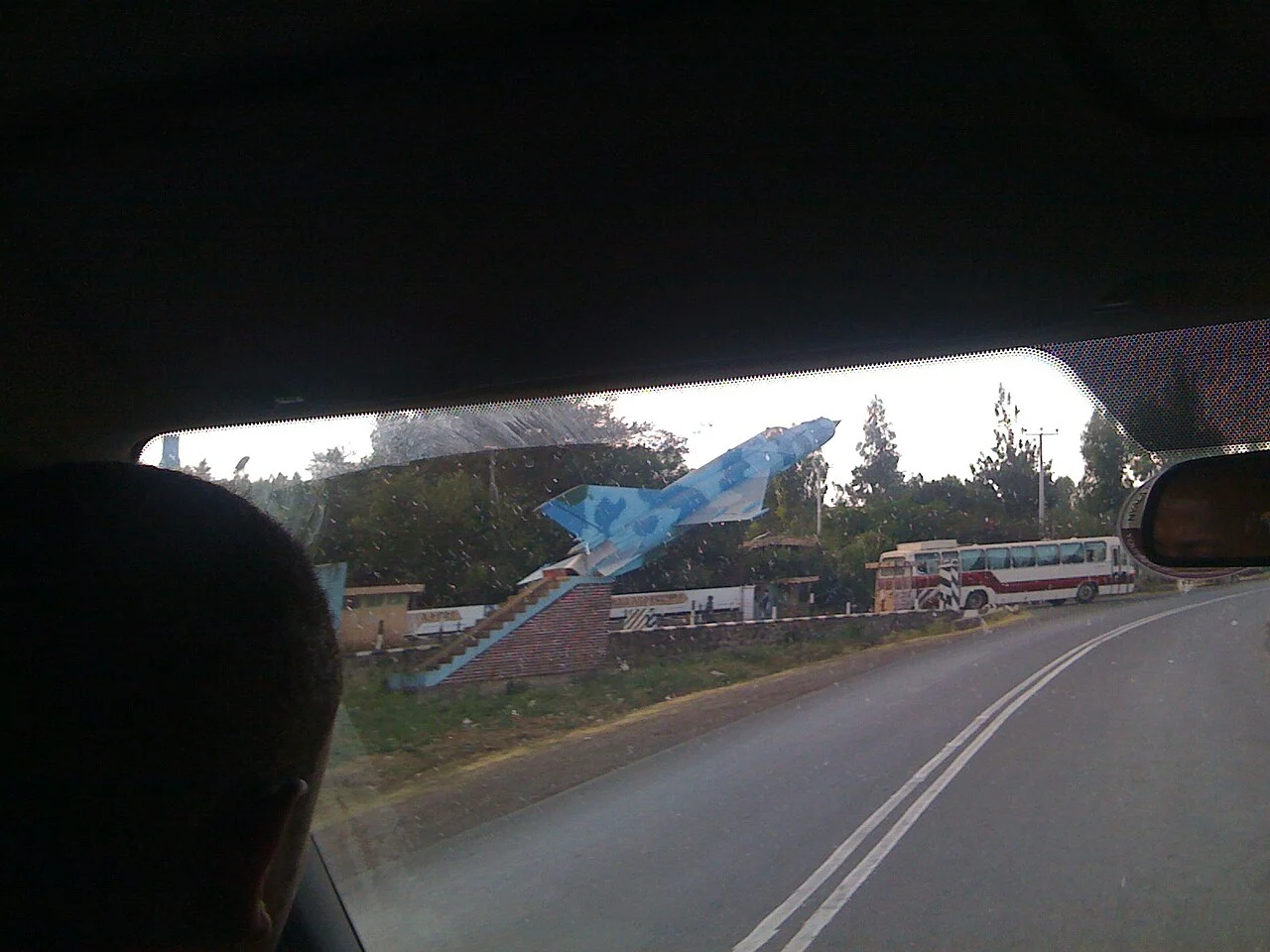
Photo: Gate of an Ethiopian Air Force base. Credit: Stéphane Gallay, CC BY 2.0, via Wikimedia Commons
Ethiopia fielded the first air force of any independent African state, and it has rarely stood still since. Successive governments have re-equipped it almost entirely from scratch at least three times: after the 1935-41 Italian occupation, after the 1974 revolution severed the American relationship, and after the 1991 fall of the Derg left a Soviet-built fleet without spares or sponsors. Each rebuild was driven less by doctrine than by whoever was willing to sell weapons when Addis Ababa needed them most — Sweden, the United States, the Soviet Union, Russia, China, Iran and Türkiye have all supplied aircraft at different points.
That pattern continues today. Ethiopia’s 2020-2022 war in Tigray produced one of the first large-scale uses of armed drones by an African air force, and the years since have brought a Russian-built fourth-generation fighter, a Turkish strike drone, a domestic drone-assembly plant and, as of January 2026, a government pledge to double capacity within five years. The stages below trace that path from founding to what comes next.
Key facts
- Founded 19 August 1929 with a single Potez 25-A2 biplane — Africa’s first independent air force (Africa Defense Forum)
- Fleet reportedly reached roughly 150 combat aircraft by 1991, almost entirely Soviet-supplied (GlobalSecurity.org)
- Eight Su-27 Flankers delivered directly from Russia, December 1998-January 1999, for the war with Eritrea (ACIG; GlobalSecurity.org)
- Bayraktar TB2, Wing Loong and Mohajer-6 drones all reportedly flown during the 2020-2022 Tigray war (Military Africa; PAX for Peace)
- Two Su-30K fighters handed over in January 2024, making Ethiopia the fourth African Su-30 operator after Algeria, Angola and Uganda (The Defense Post)
- Government plan announced 24 January 2026 to double Air Force capacity and reach fifth-generation capability within five years (AllAfrica)
Stage 1 (1929): First flight — a founding squadron of French biplanes
- Period: 1929
- Previous system: None — no Ethiopian air arm existed before this point
- New system: Potez 25-A2 biplane
- Key improvement: Ethiopia became the first independent African state with an air force; the fleet grew to eight aircraft — six French biplanes and two German monoplanes — within months of the first delivery
- Why the transition happened: Ras Tafari Makonnen (the future Haile Selassie) had watched a Royal Air Force display in Aden in 1922 and pushed to build an Ethiopian air arm as a mark of modern statehood, per Africa Defense Forum
- Current status: delivered (historical)
Stage 2 (1935-1941): Erased by invasion
- Period: 1935-1941
- Previous system: The founding fleet of French and German light aircraft
- New system: None — the air arm ceased to exist
- Key improvement: None; this stage is a setback rather than an upgrade
- Why the transition happened: Italy’s 1935-36 invasion and subsequent occupation of Ethiopia overwhelmed the small imperial air arm, which had no ability to contest Italian air superiority, and the force was dismantled under occupation
- Current status: retired (historical; force dissolved)
Ethiopia had no operational air force for roughly a decade, until the country’s liberation from Italian occupation in 1941 created the conditions for a second founding.
Stage 3 (1946): Reborn with Swedish help
- Period: 1946
- Previous system: No operational force (see Stage 2)
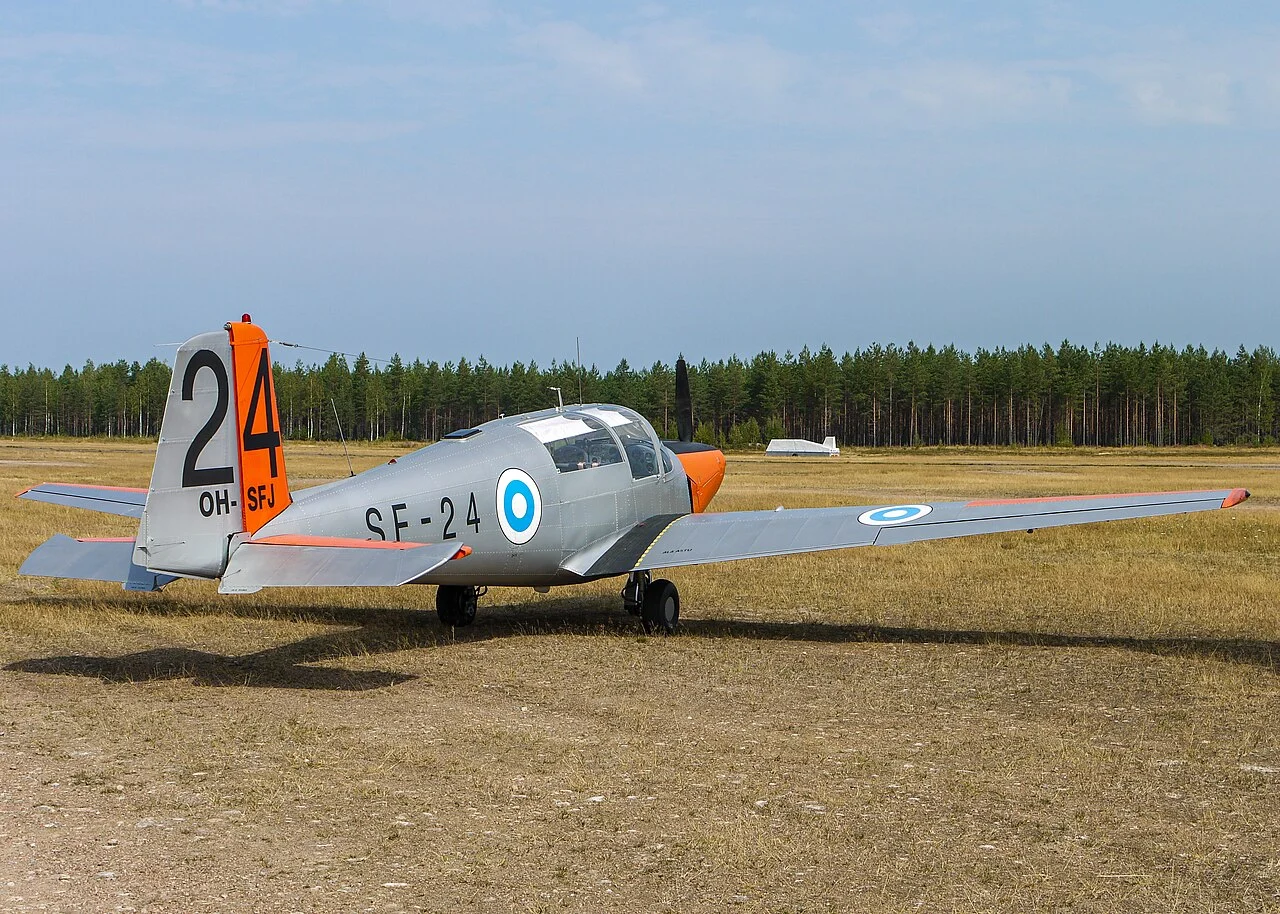
- New system: Saab 91 Safir trainers and Saab-built B 17A light bombers, flown and maintained by a Swedish military mission
- Key improvement: Re-establishment of a functioning air arm — the Imperial Ethiopian Air Force — with structured pilot training for the first time
- Why the transition happened: Haile Selassie invited a Swedish military mission under Count Carl Gustaf von Rosen to rebuild the force after liberation; the air force had no native-born commander until 1962, per Africa Defense Forum
- Current status: retired (all Swedish-era types long out of service)
Stage 4 (1953-1966): American re-equipment
- Period: 1953-1966
- Previous system: Swedish-supplied Saab trainers and light bombers
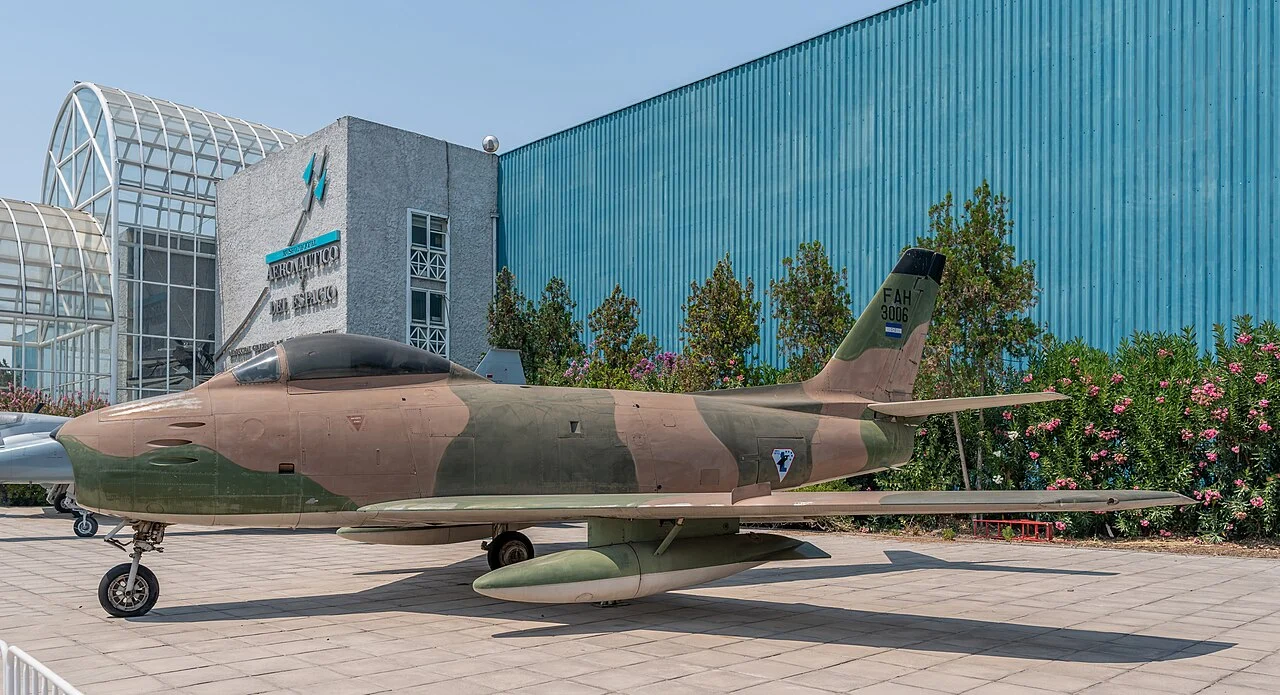
- New system: North American F-86 Sabre (from 1960) and Northrop F-5A Freedom Fighter (from 1966)
- Key improvement: First jet combat aircraft in Ethiopian service, moving the force from a training-oriented arm to one with a genuine air-defence and strike capability
- Why the transition happened: Ethiopia signed a 1953 defence agreement with the United States, becoming one of the largest recipients of US military aid in Sub-Saharan Africa under Haile Selassie, per Africa Defense Forum
- Current status: retired (both types withdrawn by the 1980s)
Stage 5 (1974-1978): Revolution and the Ogaden War
- Period: 1974-1978
- Previous system: US-supplied F-5A/F-5E fleet
- New system: The same F-5 fleet, now fighting under a new revolutionary government
- Key improvement: None in equipment terms at this stage; the change was political — the 1974 Derg coup ended imperial rule and, within a few years, ended the US arms relationship as well
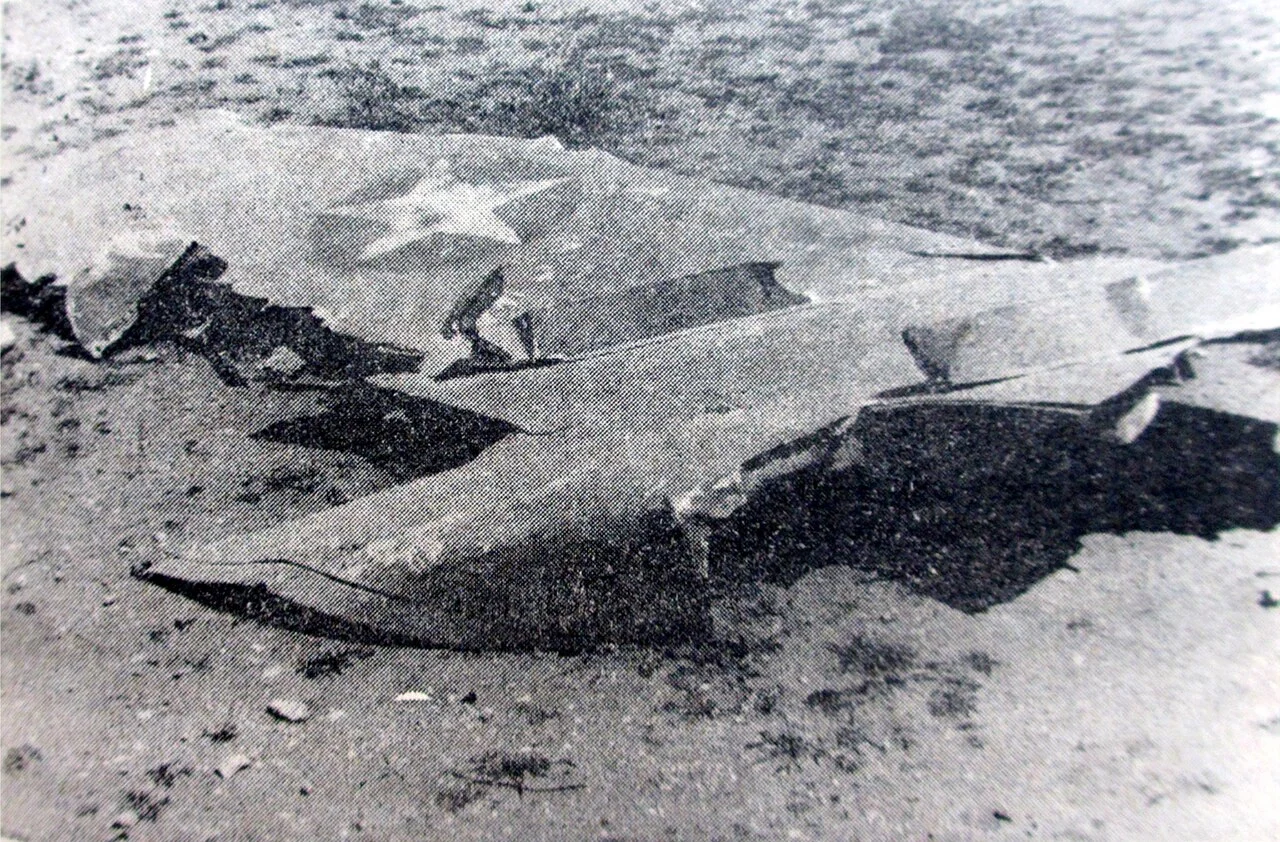
- Why the transition happened: The 1974 Derg coup removed Haile Selassie, and Somalia’s October 1977 invasion of the Ogaden forced a war fought initially with existing American jets; Ethiopian F-5s achieved early air superiority over Somali MiG-21s despite being outnumbered, per ACIG.org
- Current status: retired (F-5 fleet phased out after the Ogaden War as Soviet types arrived)
Stage 6 (1977-1991): The Soviet airlift and its Cold War peak
- Period: 1977-1991
- Previous system: US-supplied F-5A/E fleet
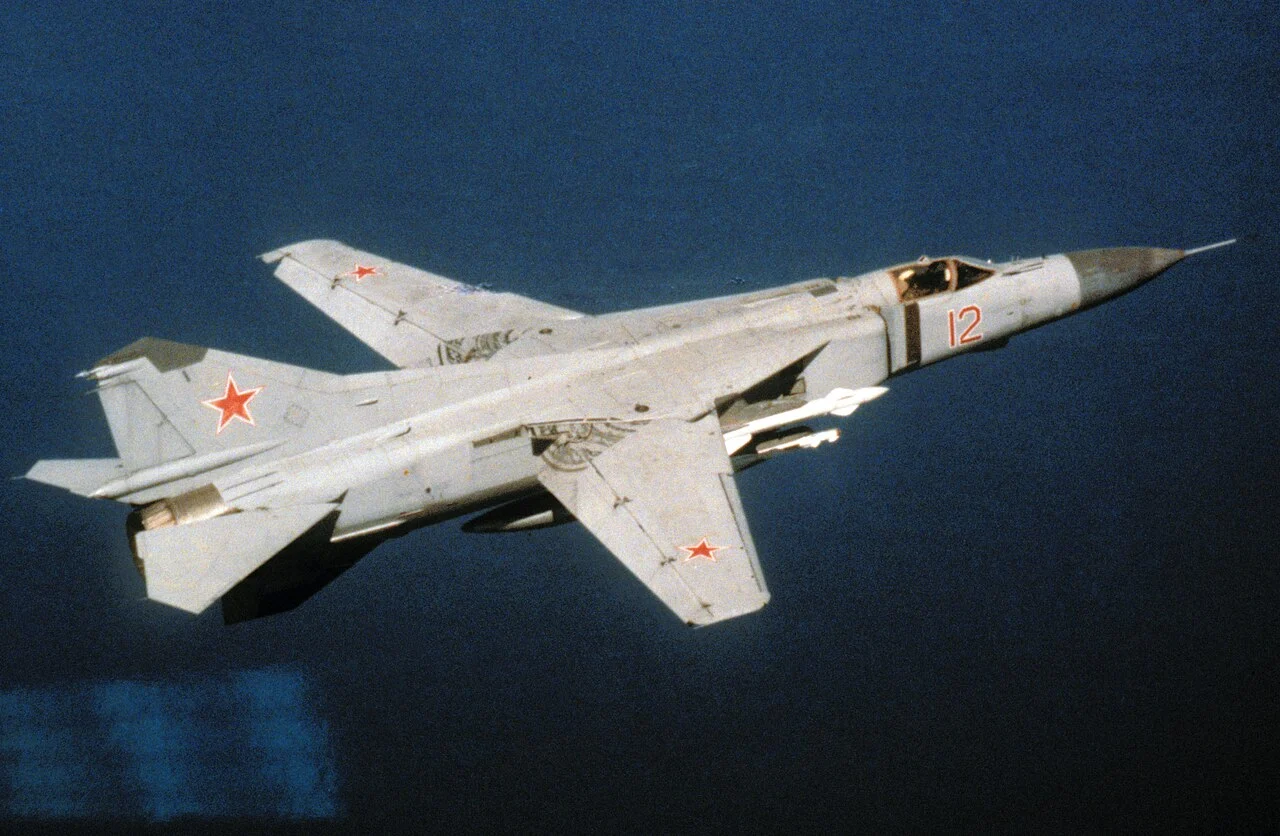
- New system: Soviet-supplied MiG-21, MiG-23BN, and Mi-8/Mi-24 helicopters, delivered via a large Soviet airlift
- Key improvement: A far larger, more heavily armed fleet, including dedicated attack helicopters and swing-wing strike aircraft able to reach targets deep inside Somalia
- Why the transition happened: After Somalia expelled its Soviet advisers in 1977, the USSR launched what ACIG.org calls an airlift “unique and unprecedented in its extension and importance,” rearming Ethiopia to retake the Ogaden; by 1991 the force numbered an estimated 150 combat aircraft, mostly Soviet-built, per GlobalSecurity.org
- Current status: retired (all Cold War-era Soviet types since withdrawn)
Stage 7 (1991-1998): Collapse and isolation
- Period: 1991-1998
- Previous system: The roughly 150-aircraft Soviet-built fleet of the late Derg period
- New system: No new acquisitions of note; the existing fleet aged in place
- Key improvement: None — this stage is a drawdown
- Why the transition happened: The Derg fell in 1991 as the EPRDF took power, ending the Soviet arms relationship; with spares cut off, the air force shrank sharply from its Cold War peak, per GlobalSecurity.org
- Current status: retired (surviving Soviet-era airframes largely grounded or scrapped by the late 1990s)
That changed in 1998, when a border dispute with the newly independent Eritrea escalated into open war.
Stage 8 (1998-2000): Rebuilding for the Eritrea war
- Period: 1998-2000
- Previous system: Aging, largely grounded Soviet-era MiG-21/23 fleet
- New system: Su-27 Flanker, purchased directly from Russia
- Key improvement: A modern fourth-generation air-superiority fighter, restoring Ethiopia’s ability to contest its airspace against a well-armed neighbour
- Why the transition happened: The 1998-2000 border war with Eritrea, whose own air force had bought MiG-29s, pushed Ethiopia to buy combat aircraft again; six Su-27S and two Su-27UB were delivered directly from Russia in December 1998-January 1999, with contracted Russian pilots and technicians since Ethiopia had none qualified on type, per ACIG.org and GlobalSecurity.org. On 25 February 1999, Ethiopian Su-27s shot down two Eritrean MiG-29s — one of the only combat meetings between the two types
- Current status: operational (Su-27 fleet sustained into the 2000s and 2010s)
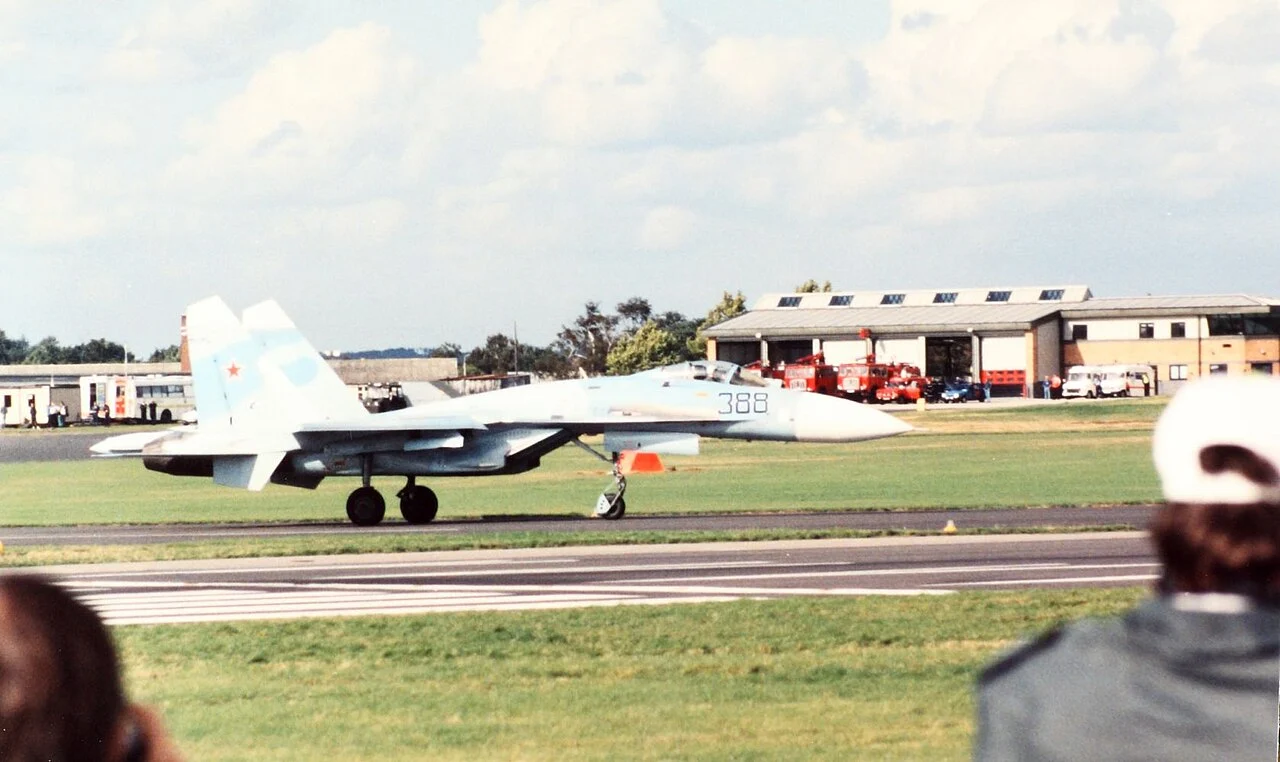
The Su-27 fleet, later supplemented by Mi-24/Mi-35 attack helicopters that remain in service with a dedicated squadron at Dire Dawa, became the backbone of Ethiopian airpower for the next two decades.
Stage 9 (2020-2022): The drone war
- Period: 2020-2022
- Previous system: Su-27 fighters and Mi-24/Mi-35 helicopters as the sole strike and air-defence assets
- New system: Armed medium-altitude drones — Turkish Bayraktar TB2, Chinese Wing Loong, and Iranian Mohajer-6 — added to the existing crewed fleet
- Key improvement: Persistent, lower-cost strike and reconnaissance capability that did not depend on Ethiopia’s small pool of fast-jet pilots, usable in a counter-insurgency-style war where fixed front lines shifted quickly
- Why the transition happened: Ethiopia went to war with Tigrayan regional forces in November 2020; as the conflict turned against Addis Ababa in late 2021, it turned to armed drones to help halt the Tigray Defence Forces’ advance on the capital. Satellite imagery reviewed by the Dutch NGO PAX for Peace confirmed Bayraktar TB2 drones at Harar Meda airbase by December 2021, while Wing Loong and Mohajer-6 types were also reported in theatre, per Military Africa. Amnesty International later alleged some strikes killed civilians, which Ethiopian authorities disputed
- Current status: operational (drones remain part of the force structure after the war’s end)
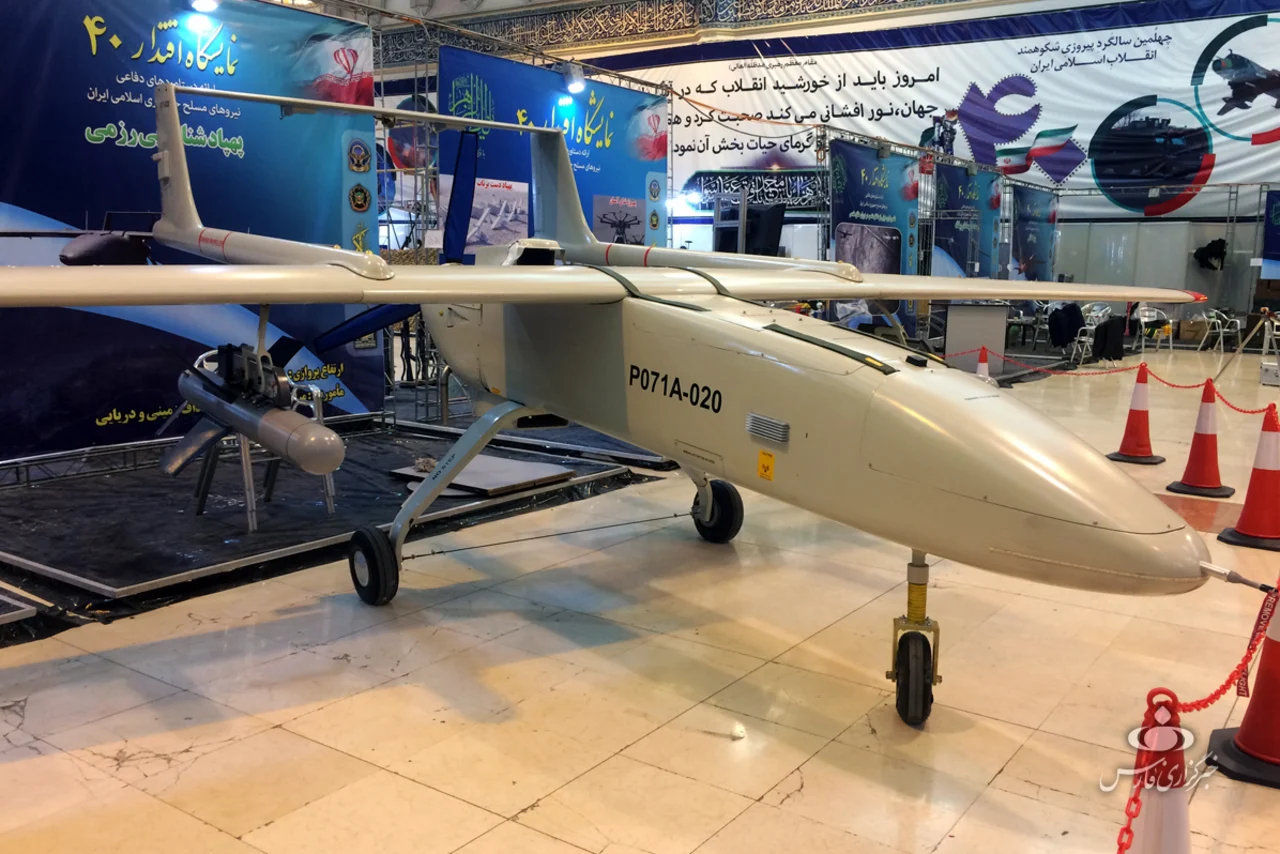
The Tigray war marked one of the first times an African air force fought a sustained campaign built partly around imported armed drones, a pattern Nigeria and Mali have since followed with their own Bayraktar and Wing Loong purchases.
Stage 10 (2023-2026): Layering in new capability — and what comes next
- Period: 2023-2026
- Previous system: Su-27 fighters, Mi-24/35 helicopters and a first generation of imported armed drones
- New system: Baykar Akinci high-altitude strike drone (reportedly in service since November 2023); two Su-30K fighters handed over in January 2024; domestically assembled drones from the new SkyWin Aeronautics plant; and, most recently, reported Russian-supplied Yak-130 trainer/light-attack jets and an Orion drone
- Key improvement: A move toward heavier-payload, longer-endurance drones, a newer multirole fighter alongside the ageing Su-27s, and the beginnings of domestic production rather than pure import dependence
- Why the transition happened: Field Marshal Birhanu Jula linked the Akinci and Su-30K buys to a broader modernization push, per The Defense Post, which put the Akinci in service since November 2023 and the Su-30Ks — ex-batch built for India in the 1990s — handed over January 2024. Abiy inaugurated the SkyWin drone plant on 8 March 2025, though Janes analyst Jeremy Binnie said the drone shown resembled an existing Chinese design. In January 2026 Defense Express reported, from Aviation Expo 2026 imagery, that Russia had delivered up to six Yak-130s and an Orion drone — unconfirmed officially. Separately, on 24 January 2026 Abiy announced a plan to double capacity and reach fifth-generation capability within five years, per AllAfrica
- Current status: Akinci — delivered (reported, not officially confirmed); Su-30K — delivered; SkyWin domestic drones — operational (limited, foreign origin of core technology unconfirmed); Yak-130/Orion — reportedly delivered (unconfirmed by Moscow or Addis Ababa); fifth-generation fighter and further fleet expansion — reportedly under negotiation
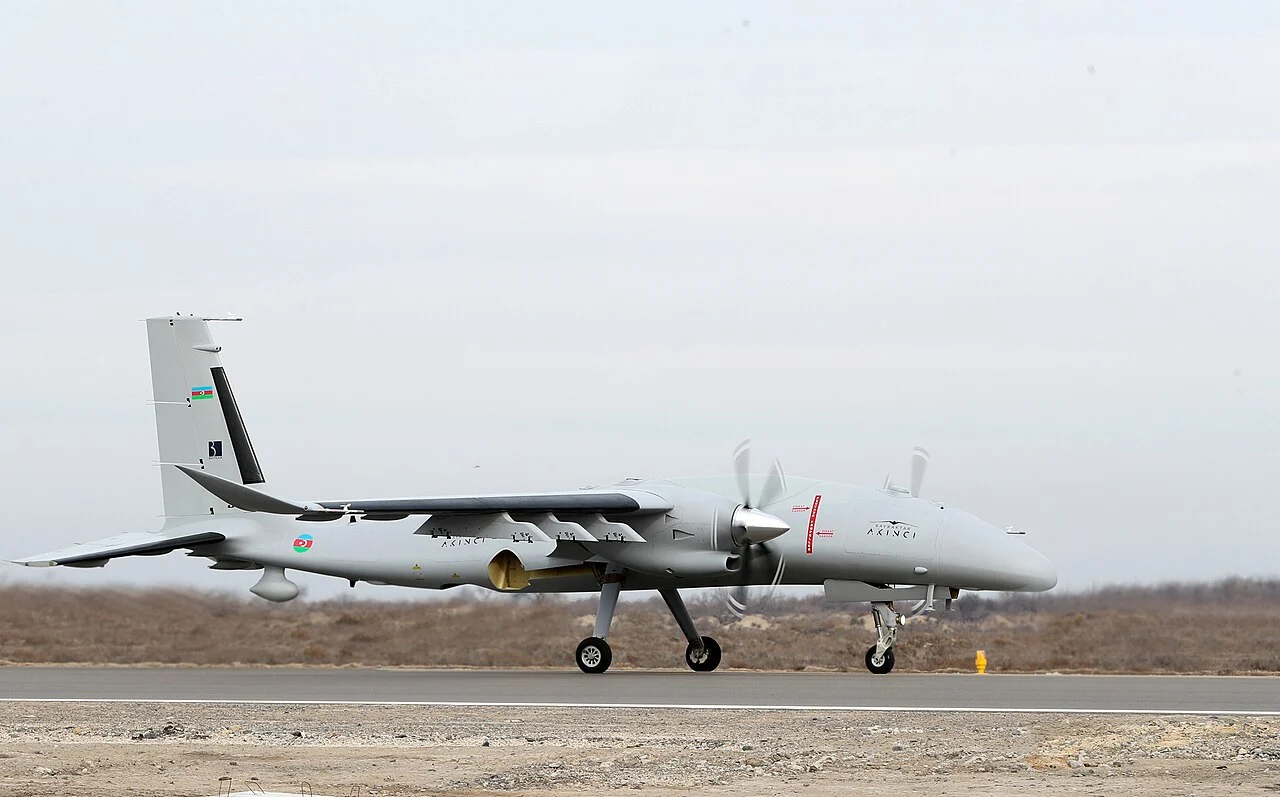
None of the reported 2025-2026 additions has been confirmed by an official Ethiopian or supplier-government statement — consistent with a pattern across this force’s history, where transitions often surface first through satellite imagery or foreign reporting rather than formal announcements. What is confirmed is the direction of travel: a mixed fleet of Russian, Chinese, Turkish and increasingly Ethiopian-assembled platforms, with a stated government ambition of a doubled, higher-technology force by 2030.
| Period | From | To | Key improvement | Status |
|---|---|---|---|---|
| 1929 | No air force | Potez 25-A2 biplane | First independent African air force | Delivered (historical) |
| 1935-1941 | Founding biplane fleet | No force (occupation) | N/A — force dissolved | Retired (historical) |
| 1946 | No operational force | Saab 91 Safir / B 17A | Structured postwar rebuild with Swedish training | Retired |
| 1953-1966 | Saab trainers/bombers | F-86 Sabre / F-5A | First jet combat capability, US alliance | Retired |
| 1974-1978 | F-5 fleet | F-5 fleet under new government | Political rupture; Ogaden War fought with US-era jets | Retired |
| 1977-1991 | US-supplied F-5s | MiG-21, MiG-23BN, Mi-8/24 | Large Soviet airlift, ~150 combat aircraft by 1991 | Retired |
| 1991-1998 | Cold War Soviet fleet | Same fleet, no new buys | Drawdown after Soviet support ended | Retired |
| 1998-2000 | Aging MiG-21/23 fleet | Su-27 Flanker | Modern fighter for the Eritrea war | Operational |
| 2020-2022 | Su-27 / Mi-24 only | TB2, Wing Loong, Mohajer-6 drones | Armed drones added for the Tigray war | Operational |
| 2023-2026 | Su-27 / first-generation drones | Akinci, Su-30K, SkyWin drones, reported Yak-130/Orion | Heavier drones, newer fighter, domestic assembly | Mixed — see Stage 10 |
Why it matters for Africa
Ethiopia’s air force has never had a single, stable supplier relationship, and that has shaped how it fights and sustains itself. A fleet assembled from Swedish, American, Soviet, Russian, Chinese, Iranian and Turkish sources demands parallel maintenance and training pipelines few African air forces can run efficiently, and Ethiopia’s repeated near-total rebuilds — after 1941, 1974 and 1991 — show what happens when a single-supplier relationship collapses. The 2020-2022 drone war is the clearest recent signal for the rest of the continent: armed drones let a force with a small, expensively trained pool of fast-jet pilots generate persistent strike capability far more cheaply than crewed combat aircraft, which is why Nigeria and Mali have followed a similar path since. Ethiopia’s newer bet — domestic drone assembly through SkyWin, alongside continued reliance on imported fighters and trainers — reflects a wider continental push toward local assembly and technology transfer, even where, as Janes has noted, the underlying technology is not yet indigenous. Whether the government’s January 2026 pledge to double capacity by 2030 survives financing realities will be a test case for reducing supplier dependence elsewhere in Africa.
Sources
- Africa Defense Forum — “Remembering Africa’s 1st Independent Air Force”
- ACIG.org — Ogaden War aviation history
- GlobalSecurity.org — Ethiopian Air Force
- Military Africa — “Ethiopian Air Force Begins Air Offensive in Tigray”
- PAX for Peace — “Turkish Drones Join Ethiopia’s War, Satellite Imagery Confirms”
- The Defense Post — Ethiopia’s Akinci drone and Su-30K fighters
- Fana Broadcasting Corporate — SkyWin Aeronautics inauguration
- AllAfrica / Defense Express — reported Yak-130 and Orion delivery
- AllAfrica — Ethiopia’s plan to double Air Force capacity by 2030
Related reading: Military Drones Operated Across Africa in 2026, Turkish Defence Systems in African Military Service, and the Ethiopia desk on DefenceMENA.