Arms Suppliers to Africa: US, China, Russia and Turkey Ranked



The main arms suppliers to Africa in 2021-25 were the United States, China and Russia, followed by France, while Turkey ranked third for sub-Saharan Africa, according to the latest data from the Stockholm International Peace Research Institute (SIPRI). Africa received 4.3% of recorded global arms imports, and its total fell by 41% compared with the previous five years. This ranking explains the method, sets out the shares by supplier and recipient, and flags what the figures cannot show, from secret deals to small arms.
Arms Suppliers to Africa: Methodology and Data Sources
All shares below come from SIPRI’s fact sheet on international arms transfers, released in March and covering 2021-25 against 2016-20. SIPRI measures the volume of transfers with a trend-indicator value, or TIV, which is based on the known production cost of a core set of weapons. A used weapon counts for 40% of a new one.
The TIV is not a sales price. SIPRI says it should not be compared directly with GDP, military spending or the financial value of contracts, and that it is best used to track trends and shares. The database covers major weapons only and leaves out small arms, trucks, artillery under 100 mm, ammunition, most components and support services, as set out in SIPRI’s methods page.
Ranks here are by share of African imports. Africa includes North Africa unless stated. Where SIPRI figures were reported through press summaries, that is noted in the sources list.
Top Suppliers of Arms to Africa at a Glance
| Supplier | Share of all African imports | Share of sub-Saharan imports | Comment |
|---|---|---|---|
| United States | 19% | Not in top three | Driven by Morocco and Nigeria |
| China | 17% | 22% | Largest supplier to sub-Saharan Africa |
| Russia | 15% | 12% | Exports fell 64% globally |
| France | 8.3% | Not reported | Fourth for the continent |
| Turkey | Not reported | 11% | Third for sub-Saharan Africa |
Algeria and Morocco remain the continent’s largest recipients, and the next table shows who supplies them. Nigeria, Senegal and Mali lead imports south of the Sahara.
| Recipient | Position and change | Main suppliers or note |
|---|---|---|
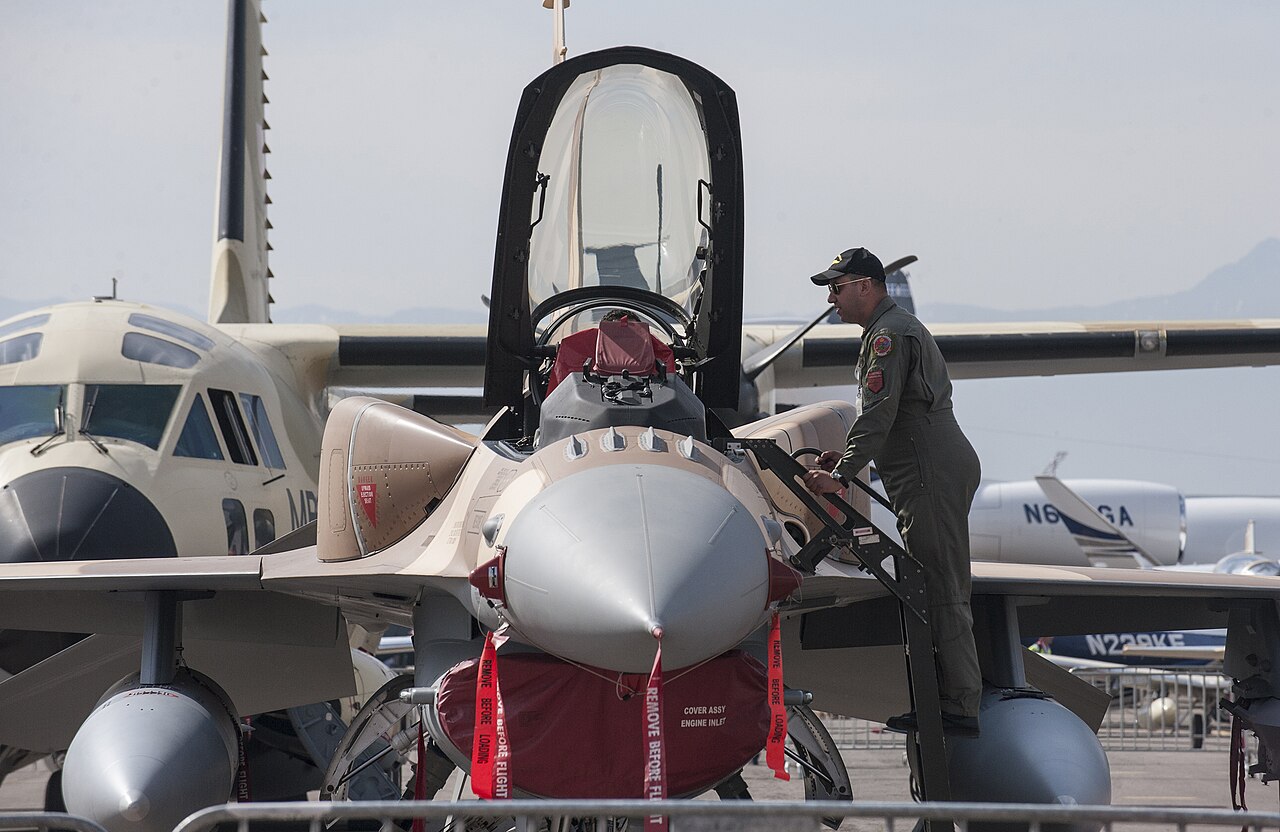
| Morocco | 28th globally, 1% of imports, up 12% | United States 60%, Israel 24%, France 10% |
| Algeria | 33rd globally, 0.9% of imports, down 78% | Russia 39%, China 27%, Germany 18% |
| Nigeria | 16% of sub-Saharan imports | Large Italian and US contracts reported |
| Senegal | 8.8% of sub-Saharan imports | Patrol vessels and South African vehicles |
| Mali | 8.0% of sub-Saharan imports | Turkish drones and further orders |
Top Entries Explained
The United States leads because of Morocco. It supplies about 60% of that country’s major arms, according to the SIPRI data reported by RFI via allAfrica. The US also features in Nigeria’s purchases, where ADF Magazine reports a $346 million arms sale and a separate $1.38 billion contract for fighter aircraft and helicopters involving Italy and the US. The first Italian jets are covered in our M-346FA delivery report.
China ranks second overall and first south of the Sahara. Military Africa links its share to drones and to Nigeria’s VT4 tanks and ST1 tank destroyers. China is also Algeria’s second source, with 27%.
Russia is third. It supplies 39% of Algeria’s imports, but its global arms exports fell 64% in 2021-25 against the previous period, and its share of world exports dropped from 21% to 6.8%. SIPRI attributes this mainly to lower sales to Algeria, China and Egypt.
France holds 8.3% of African imports, and Morocco takes about 10% of its arms from France. Germany is Algeria’s third supplier at 18%.
Israel is not among the top four for the continent, but it supplies about 24% of Morocco’s imports, and the same reporting points to closer cooperation on surveillance systems.
Turkey is the fast riser. It was the 11th largest exporter in the world with 1.8% of global exports, and its exports rose 122%, Turkish Minute reported. In sub-Saharan Africa it supplied 11% of arms imports, helped by drones such as those profiled in the Bayraktar TB2 operator guide and munitions from the maker described in the Roketsan company profile.
Regional Patterns and Trends
Taken together, the arms suppliers to Africa fall into three groups: Western suppliers and Israel, concentrated on Morocco and Nigeria; Russia and China, which dominate Algeria’s imports; and Turkey, which sells mainly to sub-Saharan buyers.
The continent splits in two. North Africa is dominated by Morocco and Algeria, whose rivalry shapes the order books, while demand south of the Sahara is growing from a small base. Sub-Saharan imports rose 13% to 2.2% of the world total.
West Africa is the centre of that growth. SIPRI researcher Katarina Djokic said, “The growth in arms imports to West Africa has been striking.” Nigeria is the largest buyer, and ADF Magazine notes that Senegal acquired three offshore patrol vessels and opened its first military vehicle assembly plant. The Senegalese inventory is described in our Senegal army weapons guide.
Mali committed to ground-attack jets, trainer aircraft, and attack and transport helicopters, and received more than 100 military vehicles in 2025, ADF reported. ADF names Turkey’s Bayraktar TB2 drones among Mali’s purchases.
Recent Changes
The order has shifted within one edition of the data. The previous SIPRI report, for 2020-24, put Russia first in Africa with 21% of imports, China second with 18% and the United States third with 16%, reported Tchadinfos. In the latest edition the United States has 19%, China 17% and Russia 15%. The two periods differ by one year, so the comparison shows direction rather than exact change.
Two drivers stand out. Algeria’s imports fell by 78%, which cut the volume of Russian deliveries, while Turkey and China together supplied about a third of sub-Saharan imports. Local industry is also growing, a trend covered in the guide to African countries that manufacture weapons.
What the Numbers Do Not Show
SIPRI warns that secrecy limits its estimates. Algeria is discreet about its purchases, so its decline may be overstated. Russian agreements are another gap. Deliveries to the parties in Sudan are only partly traceable: ADF reports that the Sudanese army received drones, armoured vehicles and transport aircraft from at least five countries, several of them unidentified.
The data also leaves out items that dominate many African conflicts, including small arms, ammunition and trucks. Because the TIV measures capability rather than money, a low-cost drone fleet can count for far less than a single fighter aircraft. Second-hand transfers are valued at 40% of a new system. Readers should treat the shares as a guide to major platforms, not to total spending.
Frequently Asked Questions
Who are the biggest arms suppliers to Africa?
For 2021-25, SIPRI ranks the United States first with 19% of African arms imports, followed by China with 17%, Russia with 15% and France with 8.3%. For sub-Saharan Africa alone, China leads with 22%, ahead of Russia at 12% and Turkey at 11%.
Is Russia still Africa’s main arms supplier?
Not on the latest figures. Russia held 21% of African imports in the 2020-24 edition and 15% in 2021-25. It is still Algeria’s largest supplier at 39%, but its global exports fell 64%, and SIPRI links this mainly to lower sales to Algeria, China and Egypt.
Which African countries import the most weapons?
Morocco and Algeria are the largest African recipients, ranked 28th and 33rd in the world. South of the Sahara, Nigeria takes 16% of imports, followed by Senegal at 8.8% and Mali at 8.0%. Morocco’s imports rose 12%, while Algeria’s fell 78%.
Does SIPRI count the value of arms deals?
No. SIPRI uses a trend-indicator value based on production cost and capability, not sale prices. It covers major weapons only, excluding small arms, ammunition and most support services. The figures show trends and shares of supply, so they cannot be read as spending or contract values.
Sources
- SIPRI, Trends in International Arms Transfers fact sheet
- SIPRI, arms transfers database sources and methods
- Ecofin Agency, US tops arms supplies to Africa
- allAfrica, SIPRI ranking of African importers
- allAfrica, Morocco as Africa’s top importer
- ADF Magazine, arms sales drop across most of Africa
- Turkish Minute, Turkish arms exports
- Al Defaiya, global exporter shares
- Tchadinfos, SIPRI 2020-24 Africa figures
- Military Africa, SIPRI data and African buyers