Roketsan Company Profile: Products, Ownership and African Customers

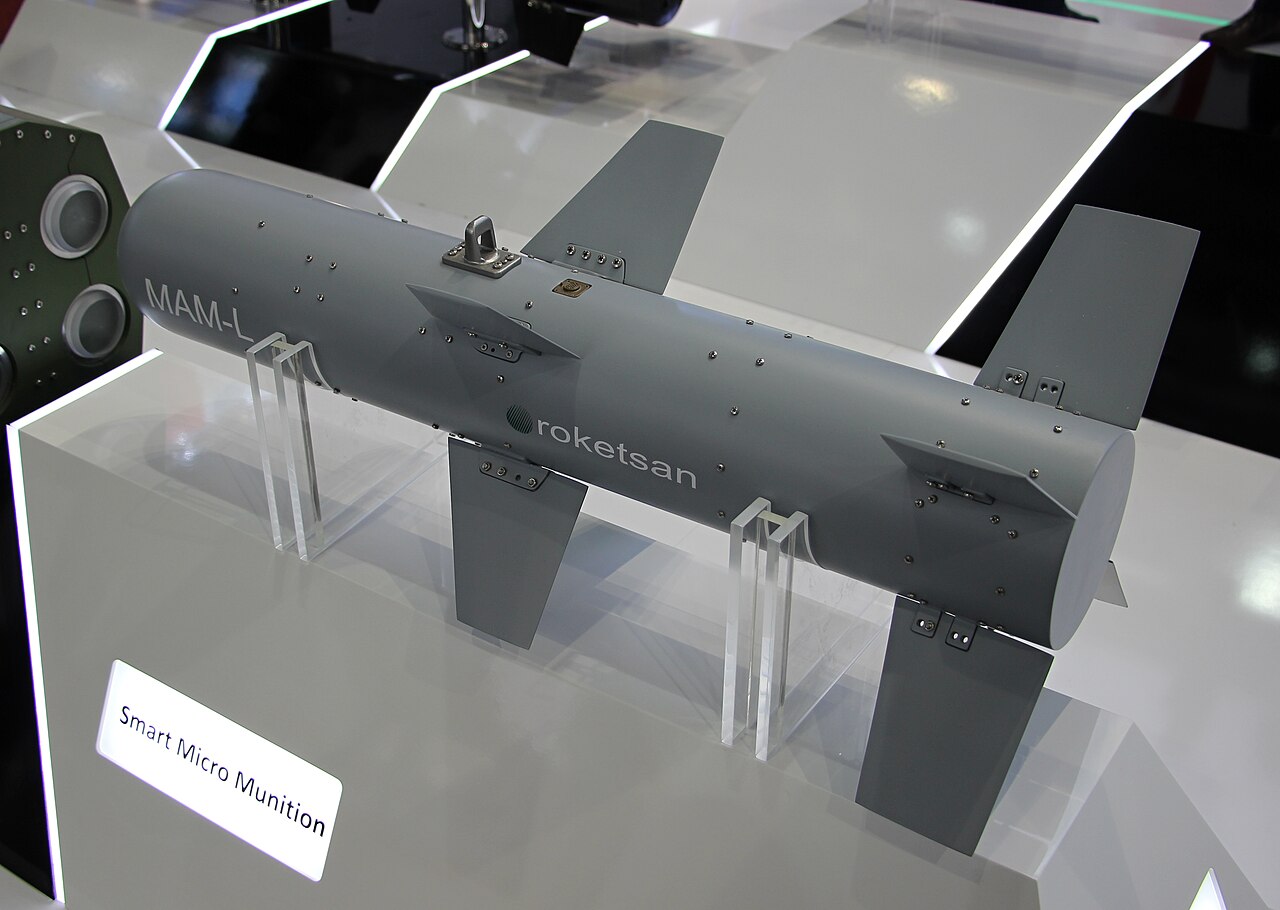


This Roketsan company profile explains who owns Turkey’s main missile and rocket maker, what it builds, and where its weapons have reached in Africa and the Middle East. Roketsan was set up in 1988 to supply the Turkish Armed Forces and now sells to about 50 countries, according to its general manager. In Africa its business is mostly smart munitions that fly on Turkish drones, while its air defence and ballistic missile lines are aimed at Gulf and Asian buyers. Contract values are rarely disclosed, so each claim below is labelled as confirmed, reported or announced.
Roketsan Company Profile: Ownership, Founding and Role
Roketsan was created in 1988 by a decision of Turkey’s Defence Industry Executive Committee, with the aim of building a domestic base for rockets and missiles, according to the company’s own website. The Turkish Armed Forces Foundation holds the majority of the shares, and the firm is headquartered in Ankara.
It is the country’s main supplier of missile and rocket systems to the Turkish military. General manager Murat İkinci told Al Jazeera in April that Roketsan ranks 71st among defence companies and that the target is the top 50, then the top 20 and eventually the top 10.
The SIPRI Top 100 list places the company lower, at 87th, on arms revenue of $1.39 billion for 2024. The two ranks come from different sources and are not directly comparable.
Key Products and Programmes
The catalogue runs from 6.5 kg glide munitions for small drones to ballistic missiles that weigh several tonnes. The table lists the families most relevant to export customers, using figures published by the company or reported in the specialist press.
| Family | Role | Published figures | Status |
|---|---|---|---|
| MAM-C, MAM-L, MAM-T | Smart micro-munitions for drones | MAM-C 6.5 kg, about 8 km; MAM-L 23 kg, over 25 km; MAM-T 95 kg, up to 50 km | Marketed; reported fired from Bayraktar TB2 drones in Syria and Ukraine |
| Cirit | 70 mm laser-guided rocket | 15 kg, 8 km range | Marketed for helicopters, drones, light attack aircraft and ground or naval platforms |
| TEBER | Guidance kit for Mk 81 and Mk 82 bombs | Inertial, GPS and laser guidance | Reported with Mali and Burkina Faso drones |
| Karaok, OMTAS, L-UMTAS | Anti-tank missiles | 2.5 km, 4 km and 8 km | Showcased to African buyers at AAD |
| Sungur, Hisar-O | Air defence | Not published in the sources reviewed | Showcased at AAD; Sungur reported for Nigeria (unconfirmed) |
| Tayfun | Ballistic missile | Range not disclosed; Block-4 weighs over 7 tonnes | Block-4 unveiled at IDEF in Istanbul |
| AKATA | Submarine-launched Atmaca | Range above 250 km | Unveiled at IDEF in Istanbul |
At IDEF in July 2025 Roketsan displayed more than 60 systems, six of them new. Besides AKATA and Tayfun Block-4, these were the Gökbora air-to-air missile (range above 100 nautical miles), the EREN loitering munition (above 100 km), the 300 ER air-launched ballistic missile (up to 500 km depending on release conditions) and the Şimşek-2 space launch vehicle for satellites up to 1,500 kg, according to Roketsan.
At SAHA Istanbul in May the company also showed ALKA-KAPLAN, a directed-energy weapon platform developed with the vehicle maker FNSS.
Roketsan in Africa: Known Customers and Reported Sales
Roketsan’s African footprint is thinner on paper than its marketing suggests. No contract value for an African sale appears in the sources reviewed, and most links come from imagery of drones carrying its munitions or from press reports. This part of the Roketsan company profile separates what is observed from what is only reported.
| Country | Reported Roketsan link | Evidence | Status |
|---|---|---|---|
| Mali | MAM-T and TEBER-81/82 acquired with Akıncı drones | Overt Defense, December 2024 | Reported |
| Burkina Faso | Akıncı shown with TEBER-82, MAM-T and MAM-L | Overt Defense | Observed in imagery |
| Niger, Ethiopia, Chad, Djibouti | Munitions reportedly integrated on drones | Military Africa, April 2025 | Reported, unconfirmed |
| Nigeria | Sungur air defence “being prepared” for export | Turkish outlet, November 2022 | Unconfirmed, no contract details |
| Tunisia | Interest in MAM-L and MAM-C | Roketsan chief, October 2020 | Interest only |
Mali is the clearest case. Overt Defense described it as the fourth African Akıncı operator after Burkina Faso, Ethiopia and Libya, and said Mali also acquired MAM-T munitions and TEBER kits. The contract cost and aircraft numbers are not public. A later Military Africa report on a further Akıncı batch notes that the type can carry MAM-T but does not confirm what Mali’s aircraft actually carry. The platform side is covered in the Akıncı guide and the Baykar company profile.
At Africa Aerospace and Defence in Tshwane in September 2024, Roketsan introduced the TRG-122 and TRLG-230 rockets, the Çakır cruise missile, TEBER-81, the KMC-U tactical missile system and the BURÇ mobile air defence system to African visitors, Daily Sabah reported. İkinci said African countries are “of great importance for us as well”, Military Africa reported.
Tunisia shows the financing risk. In 2020 İkinci said Tunisia and Indonesia had a high demand for MAM-L and MAM-C, Janes reported. The same article noted that a Tunisian order for six Anka-S systems had reportedly been cancelled because the money was not found.
Turkey as a whole supplied 11% of arms imports to sub-Saharan Africa in 2021-25, the third-largest share behind China (22%) and Russia (12%), according to SIPRI. Roketsan’s share of that flow is not broken out.
Partnerships, Joint Ventures and Local Production
Roketsan says it prefers joint facilities and research centres in allied countries to simple sales. İkinci cited Qatar as the model for this approach. In 2025 the company made significant investments in Azerbaijan and Indonesia, the chief executive told Daily Sabah.
In February, at the World Defense Show in Riyadh, Roketsan signed a memorandum with the Saudi Investment Ministry and the General Authority for Military Industries, and a strategic partnership with the Australian firm Electro Optic Systems, Hürriyet Daily News reported. No financial terms were given.
At home, Roketsan signed a deal at IDEF with Kale Jet Engines for engines for the Atmaca (KTJ-3200A), SOM (KTJ-3200S), Kara Atmaca (KTJ-3700) and Çakır (KTJ-1750) missiles. The value was not disclosed. Its Business Partners Programme has more than 100 companies, and nearly 2,000 companies work with it in total.
None of the sources reviewed describes a Roketsan production line or assembly plant in Africa. For African customers the practical route is to buy its munitions together with Turkish drones, as the TUSAŞ company profile and the Bayraktar TB2 operator guide show.
Roketsan Financial Snapshot and Workforce
SIPRI ranks five Turkish firms in its Top 100 on 2024 arms revenue. Roketsan is the fourth largest of them.
| Company | SIPRI rank | Arms revenue | Change on previous year |
|---|---|---|---|
| ASELSAN | 47th | $3.47 billion | +24% |
| Turkish Aerospace Industries | 65th | $2.16 billion | +11% |
| Baykar | 73rd | $1.9 billion | -12% |
| Roketsan | 87th | $1.39 billion | +13% |
| MKE | 93rd | $1.21 billion | +17% |
For 2025 the chief executive said turnover rose 50% in dollar terms to more than $2 billion and exports reached close to $750 million, up more than 50%, Daily Sabah reported. These are company statements rather than audited accounts.
Workforce figures differ by source. İkinci cited 3,200 engineers, while Military Africa put total staff at more than 5,000. New facilities worth $1 billion have opened, including a warhead plant that the company calls Europe’s largest, a rocket fuel facility at Kırıkkale and a research centre for 1,000 engineers, with another $2 billion planned for mass production. Hiring routes are set out in the Roketsan careers guide.
Strengths, Challenges and Outlook
The main strength is a home customer, the Turkish armed forces, which the company was founded to supply and which gives export buyers a reference. The catalogue also fits the drones that African air forces are buying, which lets Roketsan follow Turkish platform sales rather than compete for them.
The challenges are visible in the same record. African sales are thinly documented and often depend on a buyer’s finances, as the Tunisian case shows. Many headline products, from Tayfun Block-4 to Gökbora, are still development programmes rather than fielded systems. The Kale engine deal shows the push to source cruise missile engines locally.
For the outlook, İkinci expects the coming years to be even better than 2025, and serial production of several earlier development programmes is due to begin, Daily Sabah reported. Al Jazeera notes that Gulf states are seeking alternatives to US air defence systems, an opening Roketsan is courting. For Africa, the points to watch are official confirmation of MAM-T and TEBER deliveries and any first public Sungur or Hisar contract. Anyone using this Roketsan company profile as a procurement reference should treat unconfirmed entries accordingly.
Frequently Asked Questions
What does Roketsan make?
Roketsan makes rockets, guided missiles and smart munitions. Its range includes the MAM family of drone munitions, the Cirit laser-guided rocket, anti-tank missiles, the Sungur, Hisar and Siper air defence systems, Atmaca anti-ship missiles and the Tayfun ballistic missile. It also works on space launch vehicles.
Who owns Roketsan?
The Turkish Armed Forces Foundation holds the majority of Roketsan’s shares, according to Military Africa. The company was founded in 1988 by a decision of the Defence Industry Executive Committee and is based in Ankara. The sources reviewed do not give a complete public breakdown of the minority shareholders.
Which African countries use Roketsan weapons?
Mali and Burkina Faso are the best documented, through Akıncı drones shown with MAM-T, MAM-L and TEBER weapons. Niger, Ethiopia, Chad and Djibouti are reported but unconfirmed. Nigeria’s Sungur purchase was reported in 2022 without contract details. No African contract value has been published.
How large is Roketsan?
SIPRI ranked Roketsan 87th among the world’s arms producers, with $1.39 billion in arms revenue for 2024. The company says 2025 turnover passed $2 billion and exports came close to $750 million. Reported staff numbers range from 3,200 engineers to more than 5,000 employees.
Sources
- Roketsan, company website
- Roketsan, IDEF product launches
- SIPRI, Trends in International Arms Transfers
- Turkish Minute, SIPRI Top 100 Turkish firms
- Al Jazeera, Roketsan export ambitions
- Daily Sabah, Roketsan results and investment
- Daily Sabah, Roketsan at AAD
- Military Africa, Roketsan and African sales
- Overt Defense, Mali and the Akıncı
- Janes, Tunisia and guided bombs
- Hürriyet Daily News, Roketsan agreements in Riyadh