Saudi Aramco Evacuates Its Dhahran Headquarters After Houthi Strikes: What Is Confirmed

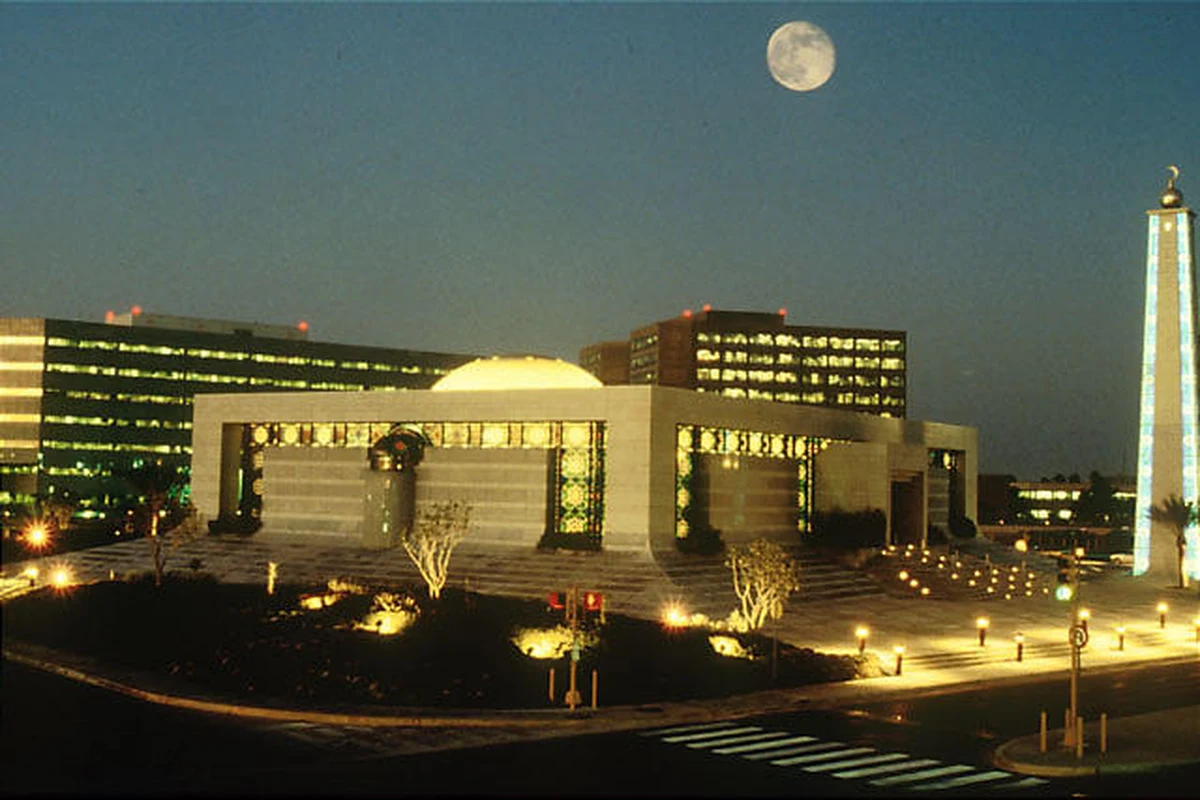


Saudi Aramco has told the remaining staff at its Dhahran headquarters to leave the building and work from home, Reuters, AFP and Bloomberg reported on 22 October 2026, citing people familiar with the decision. It is the first full evacuation of the head office since the Iran war began, and it comes nine days after a Houthi missile strike damaged an office tower in the same complex. Aramco has not commented publicly, and there is no report of any effect on oil production or exports.
What was reported on 22 October
- Reuters said six people with knowledge of the matter confirmed that Aramco instructed staff to evacuate the Dhahran headquarters and work remotely. Aramco did not immediately respond to a request for comment.
- AFP, citing two sources, reported that the order covers essential employees. According to three of its sources, most non-essential staff had already been working from home since the strike on the complex last week.
- Bloomberg said the evacuation followed an alarm inside the headquarters. The cause of the alarm was not known, and it was unclear how long employees would stay away. Aramco and the Saudi energy ministry did not immediately reply to Bloomberg.
None of the reports says the building was hit again on 22 October. The evacuation is an office measure. It does not mean that oil fields, pipelines or export terminals have stopped working.
Why the Dhahran complex matters
The Dhahran headquarters is more than a corporate office. Reuters describes it as home to an operations centre that helps Aramco oversee its onshore and offshore rigs, refineries, export terminals and thousands of kilometres of pipelines. That makes the site a symbolic target as well as a practical one. The Houthis had named Aramco’s headquarters among their targets before the 13 October strike.
The 13 October strike on the headquarters
Late on 13 October, Saudi Arabia’s energy ministry said an Aramco administrative building in Dhahran had been targeted, causing a “limited fire” and no injuries or deaths. The coalition supporting Yemen’s government said it intercepted a Houthi ballistic missile fired towards Dhahran and that fragments fell in a residential area.
Unofficial accounts describe more damage than the ministry did. A company source told Reuters that a ballistic missile hit an office tower in the complex and damaged its top three floors, and other people told the agency that the fire spread between the sixth and tenth floors. Two regional officials told AP that the offices of the chief executive and other senior managers were damaged. The ministry has not changed its “limited fire” description, so the scale of the damage still rests on unnamed sources.
The attacks on 21 October
The evacuation also follows a deadly day in the Eastern Province:
- Shaybah oil field: the energy ministry said debris from a drone intercepted while targeting a processing facility at Aramco’s Shaybah field killed two people, a Filipino and a Nepali resident, and injured two others. A contractor’s vehicle caught fire outside the facility’s perimeter. The ministry said operations were not affected.
- King Fahd International Airport, Dammam: the General Authority of Civil Aviation first reported one person killed and eight injured in an evening attack. Later reports by Arab News and the BBC put the toll at two dead, a Saudi citizen and an Indian resident. Our running file on Houthi attacks on Saudi airports tracks the airport strikes in detail.
- The coalition said it intercepted seven drones launched towards the kingdom that day, including over the Eastern Province and the Madinah region.
Taken together, the Shaybah and Dammam incidents killed at least four people, which is the figure Bloomberg cited.
What is still unknown
- What set off the alarm at the headquarters on 22 October.
- How long staff will work remotely, and whether the operations centre is being run from another site.
- The full extent of the damage from the 13 October strike, which Aramco has not described.
How Saudi air defence is being reinforced
Riyadh says it has intercepted many Houthi ballistic missiles and drones and has answered with strikes on launch sites in Yemen. Outside help is also arriving. The UK has sent RAF Typhoons to help defend Saudi airspace, and Türkiye’s parliament is weighing the Mecca joint defence agreement, which would allow defensive and technical personnel to deploy to the kingdom. Repeated hits on airports and Aramco sites show that interceptions are not stopping every drone or missile, and debris from successful interceptions is also causing casualties.
This article will be updated if Aramco or the Saudi government comments on the evacuation.
Sources
- Reuters, “Saudi Aramco tells staff to evacuate Dhahran headquarters, sources say”, 22 October 2026 (via TimesLIVE)
- AFP, “Saudi Aramco HQ staff told to evacuate: sources”, 22 October 2026 (via Dawn)
- Bloomberg, “Saudi Aramco evacuates headquarters, asks staff to work remotely”, 22 October 2026 (via Moneycontrol)
- AP, “Iran-backed Houthis strike Saudi oil company Aramco’s headquarters, officials say”, 14 October 2026
- BBC, “Houthi missile hits Aramco building after Saudi-led coalition hits Yemen fuel depot”, 13 October 2026
- Saudi Ministry of Energy statement on Shaybah, as reported by Arab News, 21–22 October 2026
- Saudi Press Agency, “GACA: Attack Targets King Fahd International Airport in Dammam”
- BBC, “Two killed in attack on airport in eastern Saudi Arabia, authorities say”
- Initial alert: Clash Report on X