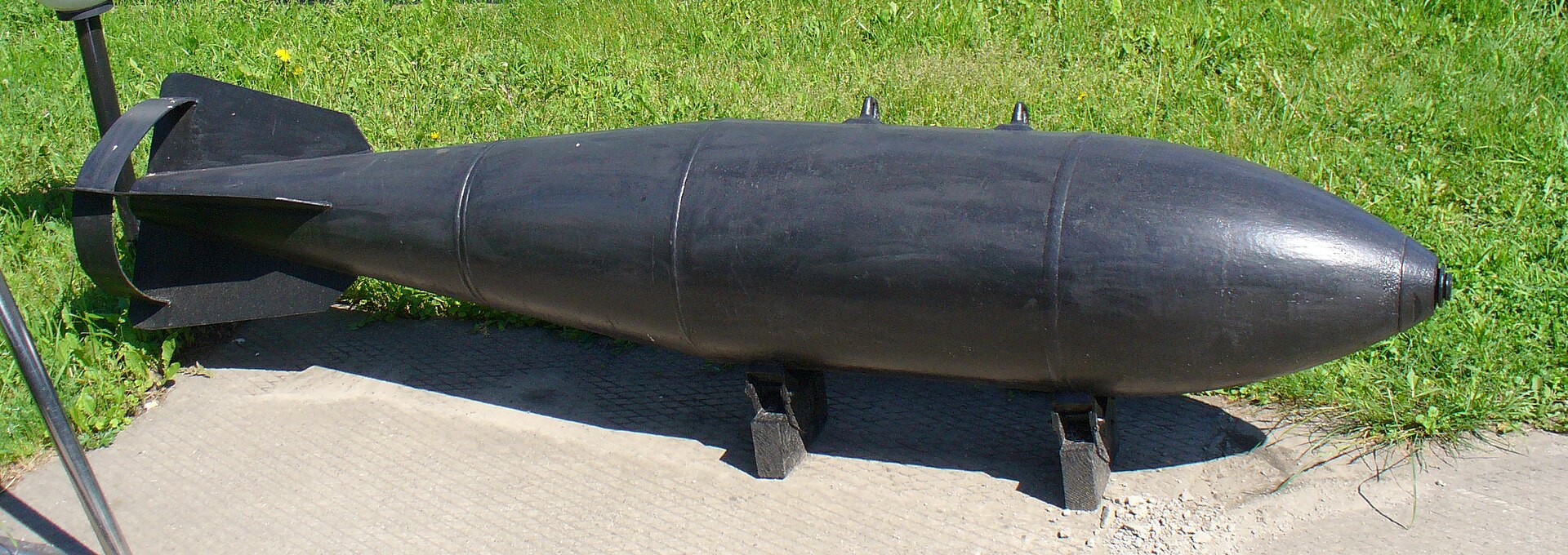
Sudan’s state-owned Defence Industries System (DIS) showed locally manufactured FAB-250 and FAB-500 unguided aerial bombs at the BAMEX 2026 defence exhibition in Bamako, Mali. Sudan previously imported both Soviet-designed types from Russia. DIS says it is trying to expand into African markets, and that Malian officers showed strong interest in its stand. No contract has been announced.
What Sudan put on display
Sudan Tribune reported from Bamako on 14 November that the Sudanese pavilion showed:
- FAB-250 and FAB-500 general-purpose bombs, described as locally produced
- Ammunition for light, medium and heavy weapons
- Anti-armour weapons
- Burkan 3 bombs, which DIS calls “smart” aerial bombs
- Wireless communications equipment
- The Sarsar armoured vehicle, shown on display screens only
Sudan Tribune published a photo of a DIS representative talking to Malian officers at the stand on 13 November. In a statement released on Friday 13 November and carried by Sudan Events and Sudanese Arabic-language media, DIS said its participation was part of a strategy to open up to the continent, strengthen defence partnerships and exchange expertise and technology. According to Sudan Tribune, the company also said the pavilion drew significant interest from the Malian military, which it said could lead to future contracts.
What “locally produced” does and does not tell us
The FAB-250 and FAB-500 are Soviet-era free-fall, general-purpose bombs in the 250 kg and 500 kg classes. They are simple weapons: a steel case, explosive fill and fuze, with no guidance. That makes them among the easier aircraft munitions for a state arms industry to copy, provided it has steel casting, explosive filling and fuze production.
DIS has not published production volumes, a start date or details on where the explosive filling and fuzes come from. Display items at a trade fair do not show serial production, and nothing public yet shows that the bombs have been exported. The analysis site Conflict Alert raised the possibility of wider defence-industrial ties with Moscow. It added that there is no evidence so far of Russian production contracts, formal technology transfer or Sudanese bomb deliveries to Russia.
For Sudan’s own war, locally made unguided bombs would reduce the army’s dependence on imports to keep its remaining MiG-29, Su-25 and Su-24M jets supplied. Our Sudanese Air Force aircraft guide explains why the real number of serviceable jets is uncertain. Drones also play a large role on both sides, as set out in our explainer on who supplies drones to the army and the RSF.
Who DIS is
DIS, formerly known as the Military Industry Corporation, is Sudan’s largest defence enterprise and makes small arms, conventional weapons, ammunition and military vehicles for the Sudanese Armed Forces (SAF). The US Treasury sanctioned it on 1 June 2023, about seven weeks into the SAF–RSF war, under Executive Order 14098, which targets those threatening Sudan’s peace, security or stability. Treasury estimated DIS’s revenue at about $2 billion a year across hundreds of subsidiaries. The designation makes dealings with DIS a sanctions risk for any buyer or partner with exposure to the US financial system.
Why Mali, and why BAMEX
BAMEX 2026, held from 9 to 13 November, was the second edition of Bamako’s defence and security exhibition. Mali’s defence ministry organised it with the Turkish event firm The Peak Defense, and exhibitors came from more than 20 countries. Our preview of BAMEX 2026 covers the show’s set-up, and Mali’s push for technology transfer covers what Bamako wants from suppliers.
Mali is a natural target for a sanctioned, low-cost supplier of Soviet-pattern munitions. Its armed forces have used Russian-origin equipment for decades and work alongside Russia’s Africa Corps. Bombs are probably not the easiest sale, though. As our Mali Air Force aircraft guide shows, Mali has no verified operational fast jets after losing both its Su-25s, and it relies on helicopters, L-39 trainers and drones. Sudanese small-arms and heavy-weapons ammunition is the more obvious fit for Malian needs.
Sudan is also courting Moscow. Conflict Alert, citing Sudan Tribune, reported that army chief and Sovereignty Council head Abdel Fattah al-Burhan met President Vladimir Putin in Moscow on 30 October and offered Russia mining sites and a free economic zone on the Red Sea coast.
What to watch
- Any Malian or other African order for DIS products, and whether one is made public
- Evidence of serial production, such as lot markings or field use of Sudanese-made FAB-series bombs
- US or UN reaction to a sanctioned Sudanese state firm marketing weapons abroad during the war
- Further DIS appearances at African defence shows
Sources
- Sudan Tribune, “Sudan’s defence industries showcase locally made bombs at Mali military exhibition”, 14 November 2026: sudantribune.com
- Sudan Events, “Sudanese Defence Industries showcase products to African military delegations in Bamako”, 13 November 2026: sudanevents.com
- Al Masar News (Arabic), DIS statement on BAMEX participation, 13 November 2026: almasarnews.com
- Conflict Alert, “Sudan displays Soviet-designed bombs in Russia-aligned Mali”, 16 November 2026: conflictalert.news
- US Department of the Treasury, “Treasury sanctions military-affiliated companies fueling both sides of the conflict in Sudan”, 1 June 2023: treasury.gov
- Military Africa on X, 17 November 2026: @militaryafrica