Ranked by total main battle tanks held in national inventories, Egypt and Algeria field armoured forces far larger than any other country on the continent, while several African armies still depend on Cold War-era T-55s and Type 59s. Figures below reflect IISS Military Balance data as reported by defence outlets and open-source equipment registers, current to 2025-2026.
DEFENCE AFRICA | Evergreen ranked list | Data as of September 2026
Tank numbers are one of the clearest single indicators of an African army’s conventional land power, and the gap between the continent’s largest and smallest holders is unusually wide. Egypt’s combined fleet of M1A1 Abrams, M60 Pattons, upgraded Ramses II hulls and stored T-62s outnumbers the next several countries on this list combined, a legacy of four decades of licensed Abrams production and earlier Soviet-era purchases. Algeria’s fleet, built around the Russian T-90SA, is the only other African force in four figures.
Below that tier, most African tank fleets are far smaller and dominated by legacy Soviet or Chinese armour delivered in the 1970s-1990s, much of it still in front-line service because replacement has been slow and expensive. Morocco is the exception, adding new-build M1A1SA and M1A2 SEPv3 Abrams tanks to a fleet still centred on older T-72B and VT-1A hulls.
How we ranked
Entries are ranked by the total number of main battle tanks reported in each country’s inventory across all variants, active and held-in-reserve, drawing on IISS Military Balance entries as reported by defenceWeb, Military Africa, Army Recognition and open-source equipment registers, cross-checked where possible against manufacturer and programme reporting. Figures for 2025-2026 are used where available; where sources disagree, both figures are given with attribution. Countries without reliable, cross-checked public figures for 2024-2026 – including Libya, Uganda, Zimbabwe and the Democratic Republic of Congo, whose fleets are real but poorly documented after years of conflict or limited reporting – are excluded rather than estimated. That leaves eight entries with data solid enough to publish, not ten.
Key facts
- Egypt’s tank fleet is reported at roughly 3,600 hulls across four types, more than the rest of the top eight combined (IISS Military Balance, as cited by defence outlets, 2025).
- Algeria’s T-90SA fleet, delivered from 2011, is described by Army Recognition as the backbone of its armoured corps.
- Morocco has taken delivery of 222 M1A1SA Abrams and ordered 162 M1A2 SEPv3, the newest Abrams standard fielded in Africa (Military Africa, 2023).
- Egypt began a $4.69 billion modernization of 555 M1A1 Abrams tanks, reported by meta-defense.fr in June 2026.
- Five of the eight ranked fleets still rely on T-55, Type 59 or early T-72 hulls delivered before 2000.
1. Egypt — largest tank fleet in Africa, four types in service
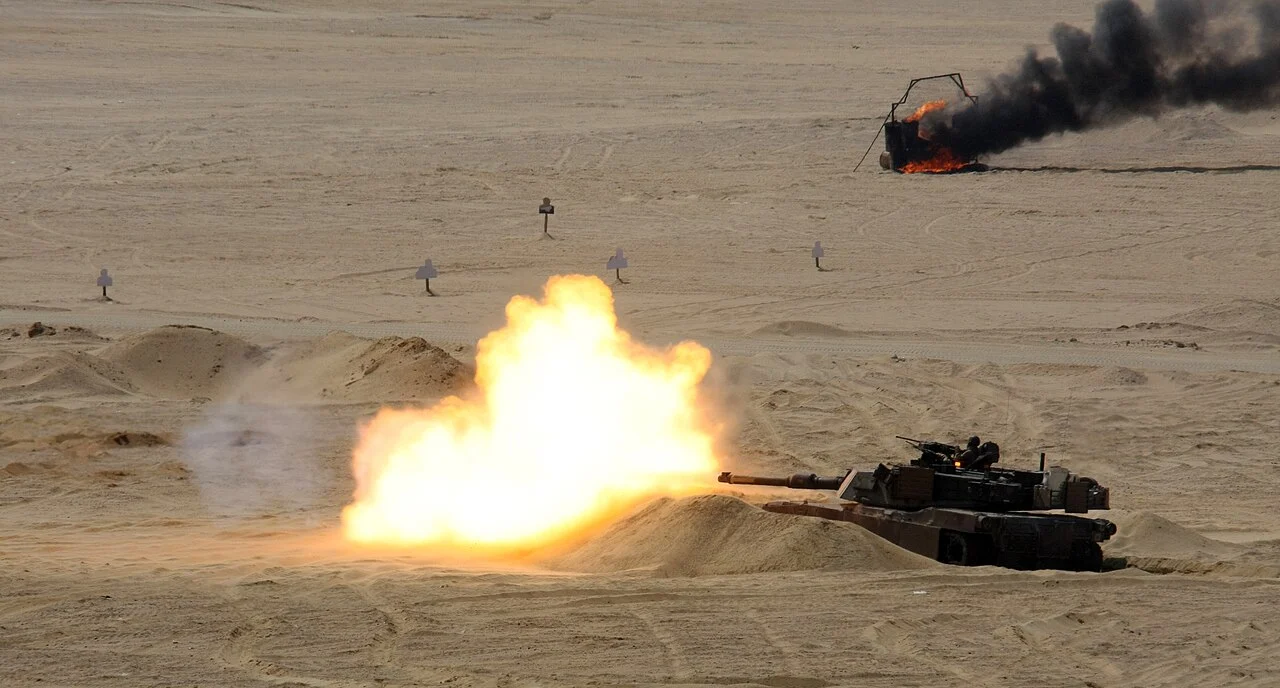
Egypt’s armoured corps is built around roughly 1,130 M1A1 Abrams tanks, most of them assembled locally under a licensed co-production programme running since the early 1990s, with roughly 1,360 hulls built in total, not all still in active service. Alongside the Abrams, Egypt still operates an estimated 850-1,150 M60A3 Pattons, around 840 Ramses II tanks (locally upgraded T-54/55 hulls with modern fire control) and up to 500 T-62s held largely in reserve, according to figures compiled from IISS Military Balance reporting. Status: operational (M1A1 fleet), with a $4.69 billion modernization of 555 M1A1 tanks under way as of June 2026, according to meta-defense.fr. No other African military combines this scale with a domestic production line, making Egypt the only country on the continent able to sustain and rebuild its fleet without relying entirely on imports.
2. Algeria — Africa’s only other four-figure tank fleet
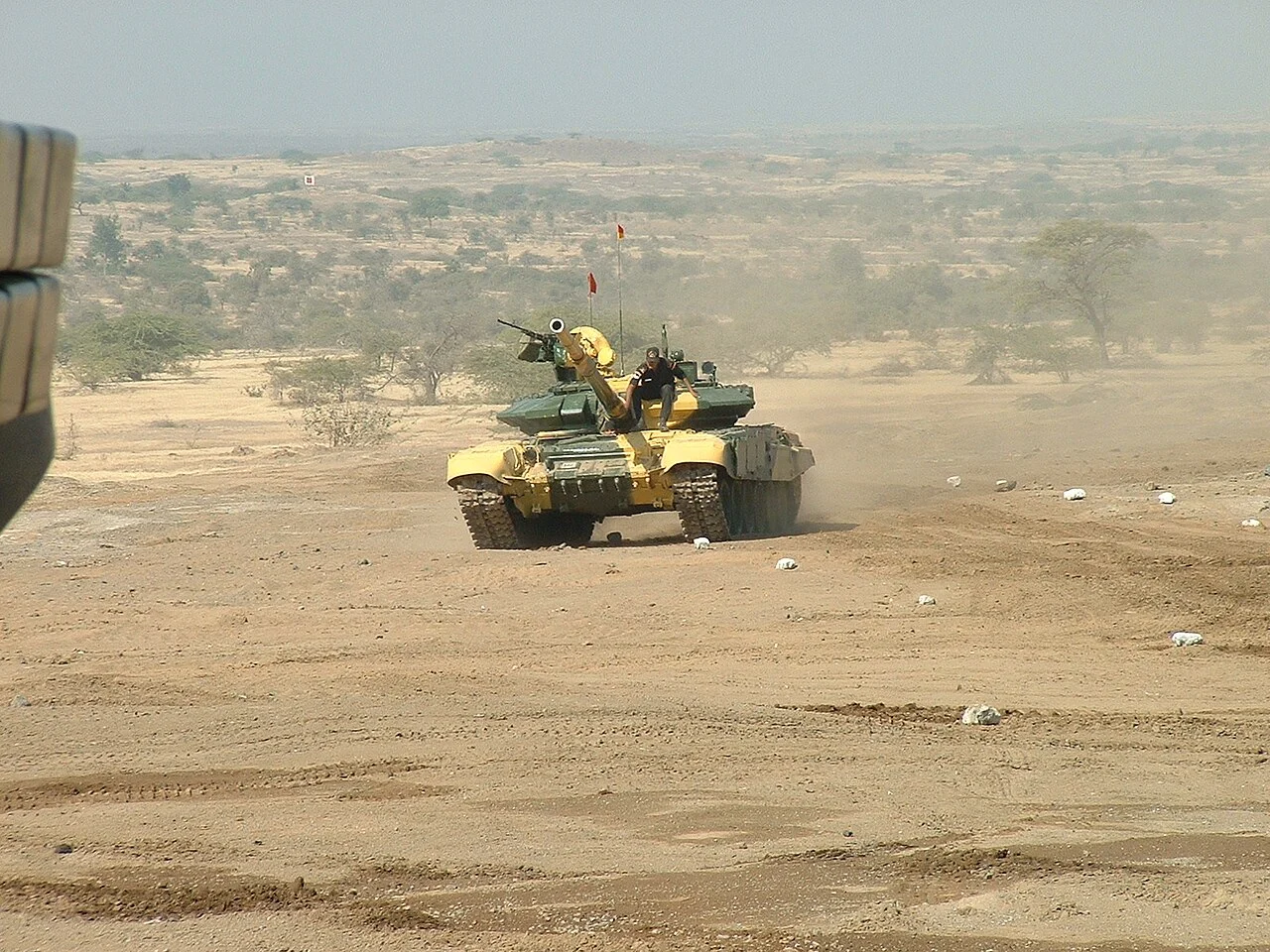
The IISS Military Balance 2020 recorded 1,467 Algerian main battle tanks: 572 T-90SA, 325 T-72M1/M1M and 270 T-55AMV, according to figures widely cited since. Published figures vary on the T-90SA total specifically: Army Recognition describes “over 500” T-90SA tanks as the backbone of the force, while some more recent estimates put deliveries higher following further batches reported since 2020. Status: operational. Algeria’s T-90SA, delivered from 2011 under a contract with Russia’s Uralvagonzavod, gives it the most modern single tank type fielded anywhere in Africa outside Morocco’s new Abrams deliveries, and it remains the reference fleet against which regional comparisons – including Nigeria’s more recent VT-4 purchase – are usually made.
3. Morocco — the fastest-modernizing fleet on the list
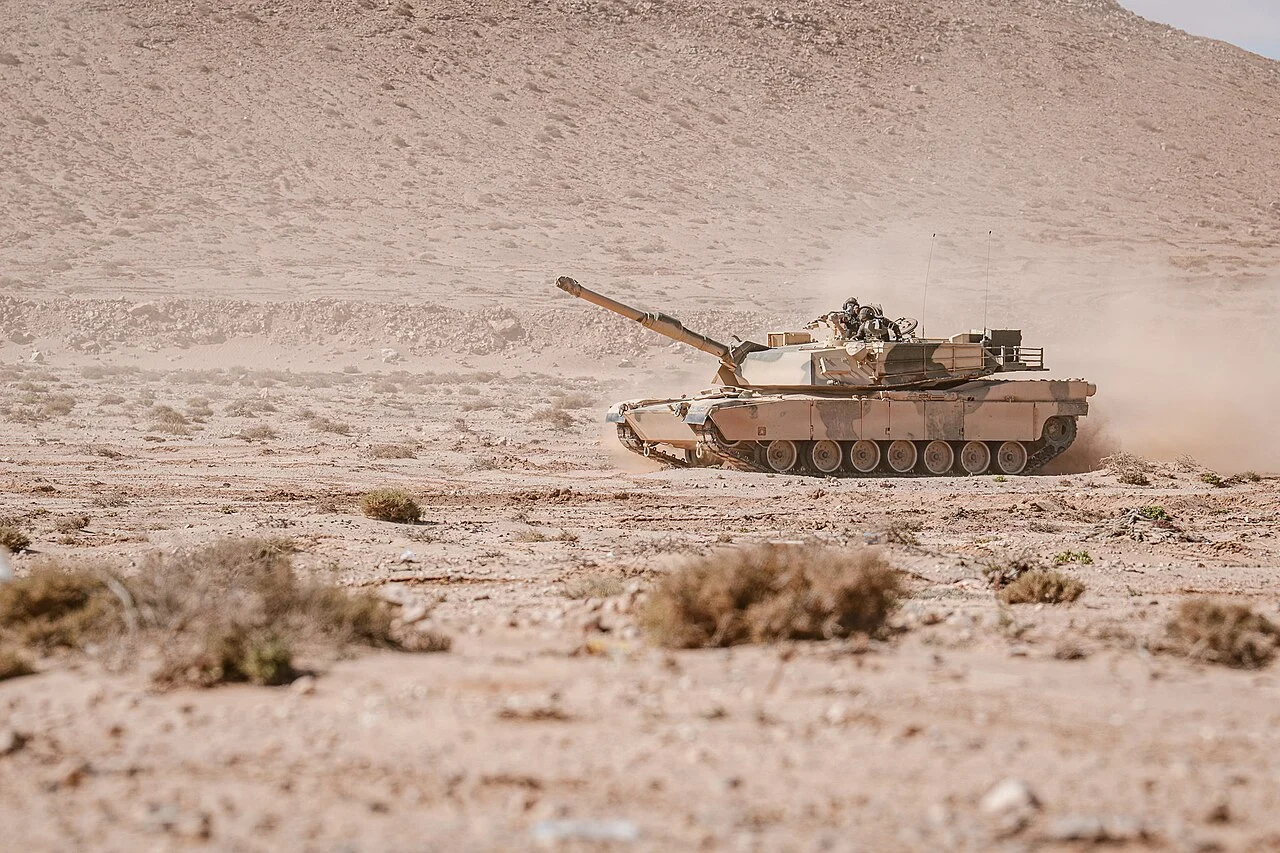
Morocco’s Royal Armed Forces field a fleet estimated at around 900-1,000 tanks in total, still centred on Chinese-origin VT-1A and Russian-derived T-72B hulls, according to Military Africa and equipment surveys. Morocco has taken delivery of 222 M1A1SA Abrams tanks, with the first units arriving from 2016, and has separately ordered 162 M1A2 SEPv3 tanks, the most advanced Abrams standard in African service, with deliveries reported under way since 2023 (Military Africa, December 2023). Status: M1A1SA delivered/operational; M1A2 SEPv3 ordered. Morocco has also reportedly examined the South Korean K2 Black Panther as a further option, according to Defense Express, though no contract has been confirmed. The modernization reflects Rabat’s response to Algeria’s T-90SA fleet across a heavily militarized shared border.
4. Sudan — a fleet built on T-72s and a domestic upgrade programme
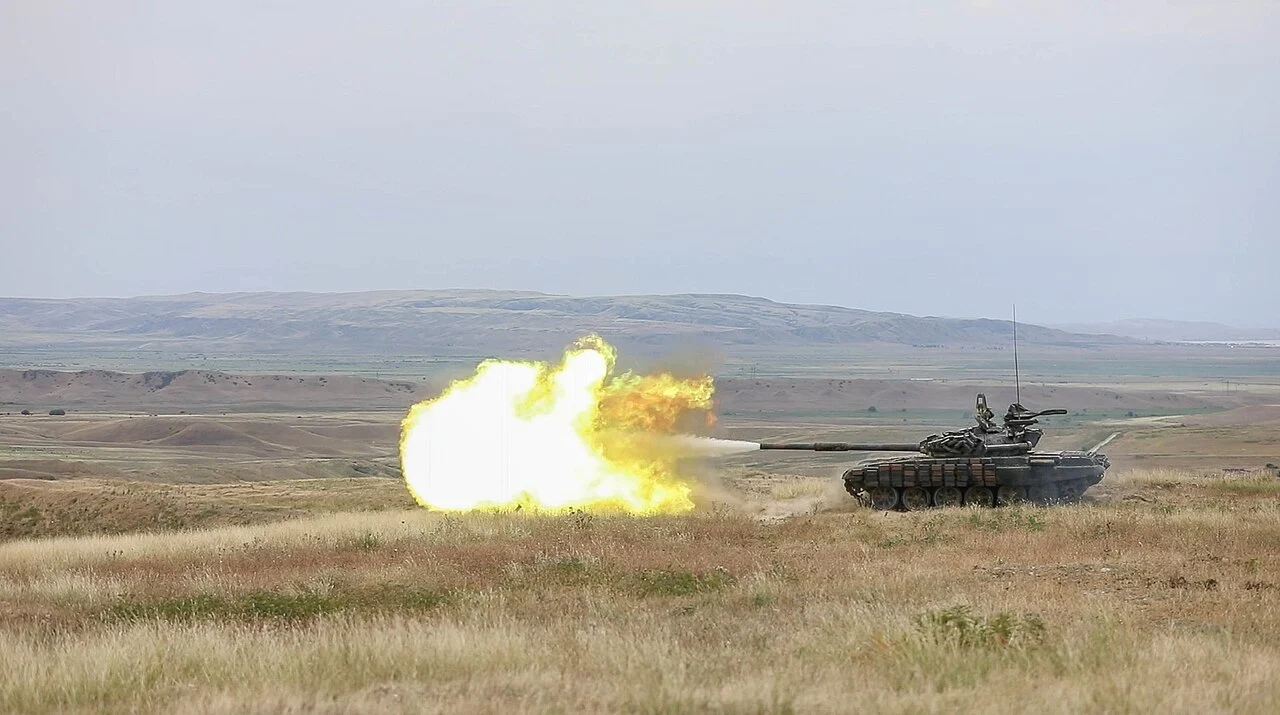
Sudan’s tank inventory is reported at around 230 T-72s, 40 Type 96s from China, 20 M60s and an additional, unverified number of locally assembled Al-Zubeir 1 tanks based on the Iranian Type 72Z design, according to equipment registers compiling IISS Military Balance data. Status: operational, though the ongoing conflict between the Sudanese Armed Forces and the Rapid Support Forces since 2023 has degraded and dispersed parts of the inventory, and independent verification of current serviceable numbers is limited. Sudan’s case illustrates a wider pattern: a tank fleet that looks substantial on paper can be considerably less combat-ready once losses, maintenance backlogs and fragmented command are accounted for.
5. Ethiopia — legacy Soviet armour reinforced by later T-72 purchases
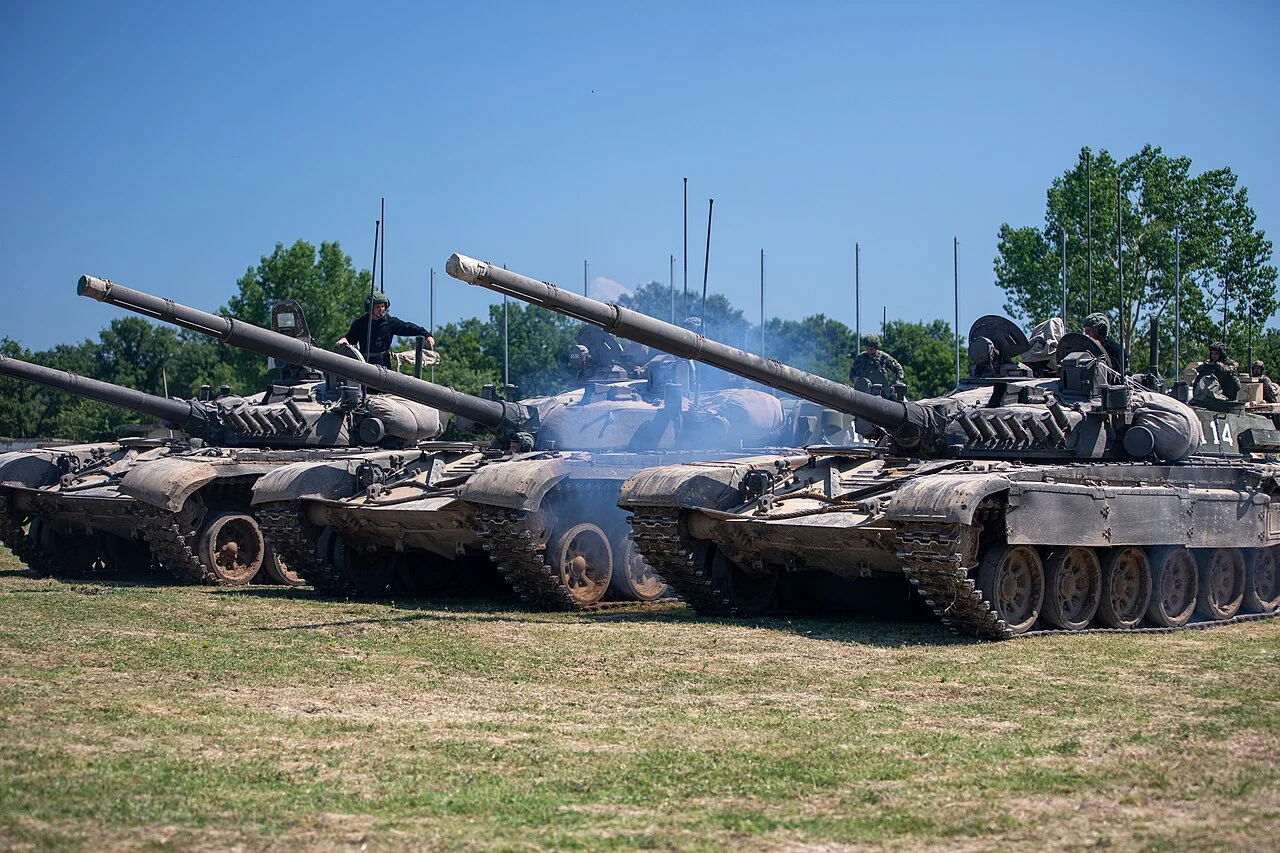
Ethiopia’s tank fleet is reported at around 320 hulls: roughly 100 T-72B/UA1 tanks, including about 50 acquired second-hand from Yemen, plus an estimated 170 older T-55s and 50 T-62s, according to defenceWeb and equipment surveys citing the IISS Military Balance. Published figures vary on the T-72 total: a reported 2011 order for 171 T-72UA1 vehicles from Ukraine has not been confirmed as fully delivered, so the in-service figure should be treated as approximate. Status: operational for the T-72 fleet. Ethiopia’s armour has seen extensive use during the Tigray conflict and subsequent internal operations, giving it more recent combat experience than most fleets on this list, alongside correspondingly higher attrition.
6. Nigeria — a mixed fleet spanning three tank generations
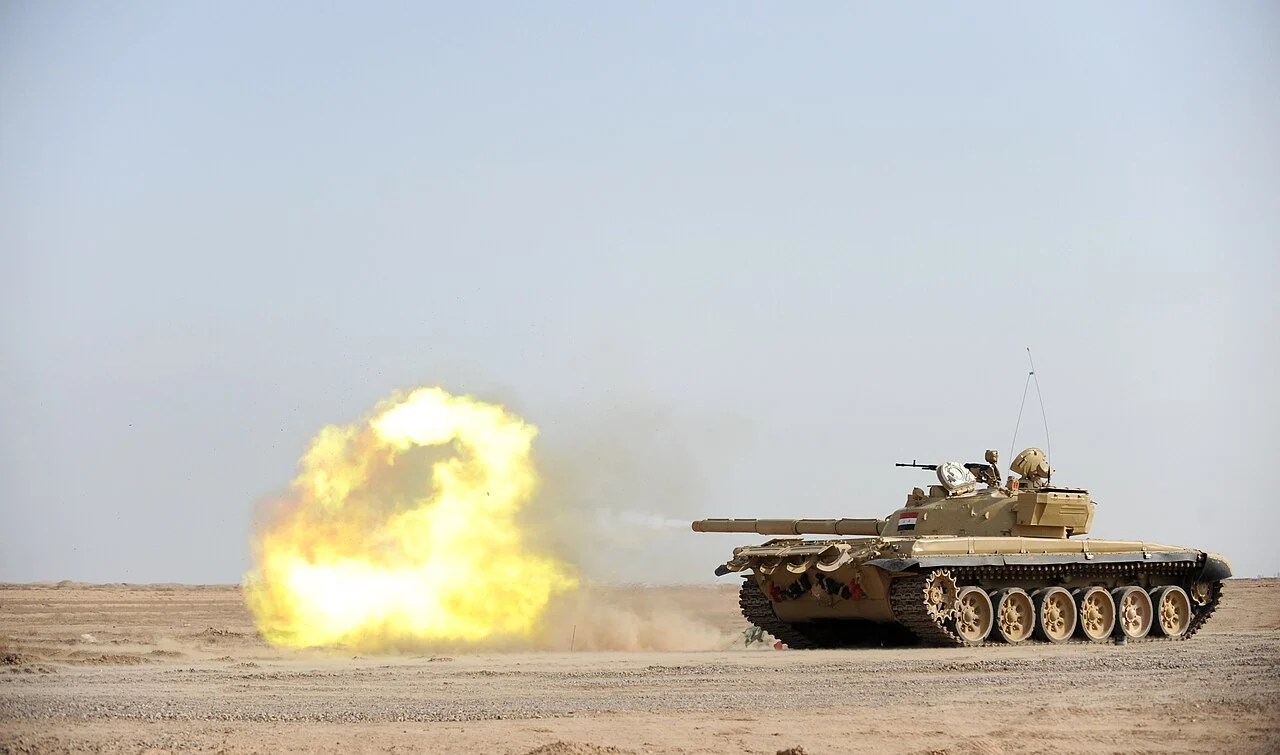
Nigeria’s army fields a reported 31 T-72M1 and 10 T-72AV tanks, alongside roughly 100 older T-54/T-55s and around 172 British-built Vickers Mk3 tanks dating to the 1970s, according to the Wikipedia-compiled List of equipment of the Nigerian Army, which draws on IISS Military Balance figures. Status: operational, though several open-source assessments describe a large share of the Vickers Mk3 fleet as aged and only partly serviceable. Nigeria has also taken delivery of Chinese-built VT-4 tanks in the 2020s, compared directly against Algeria’s T-90SA in DefenceMENA’s earlier head-to-head; those newer VT-4s are not yet reflected in most published fleet totals and would add to this figure once confirmed.
7. Chad — a small fleet of legacy Chinese and Soviet armour
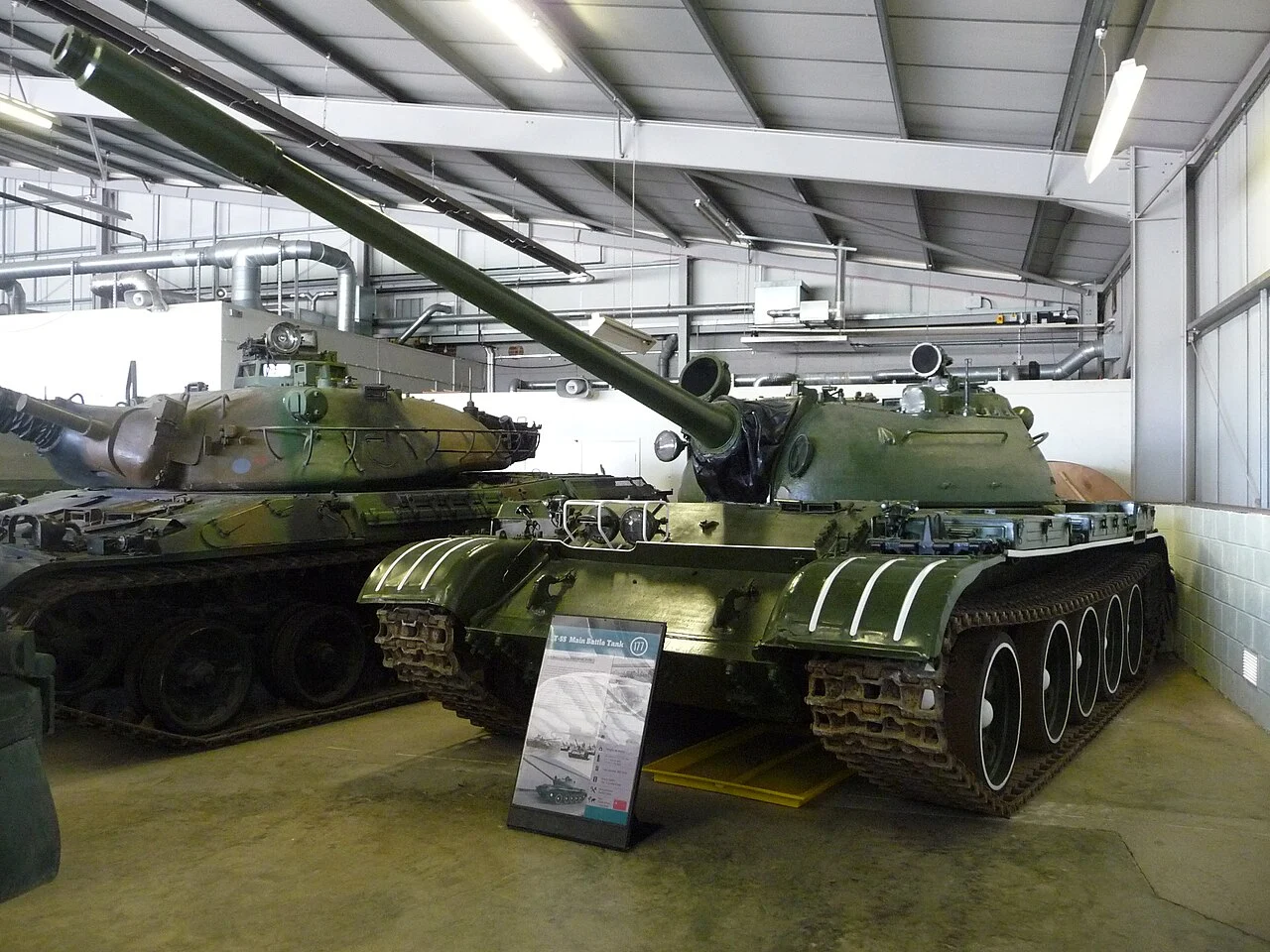
Chad’s ground forces field an estimated 30 Chinese-built Type 59G tanks and 60 Soviet-era T-55s, according to the Wikipedia-compiled Chadian Ground Forces equipment page citing Military Balance data, for a total of around 90 main battle tanks. Status: operational. Chad’s fleet is small by regional standards but has been used operationally in counter-insurgency operations in the Lake Chad Basin and the Sahel, where armour is deployed more for its psychological and direct-fire support role against lightly armed groups than in the mechanized-warfare role the type was designed for.
8. Angola — a Soviet-legacy fleet centred on the T-72M1
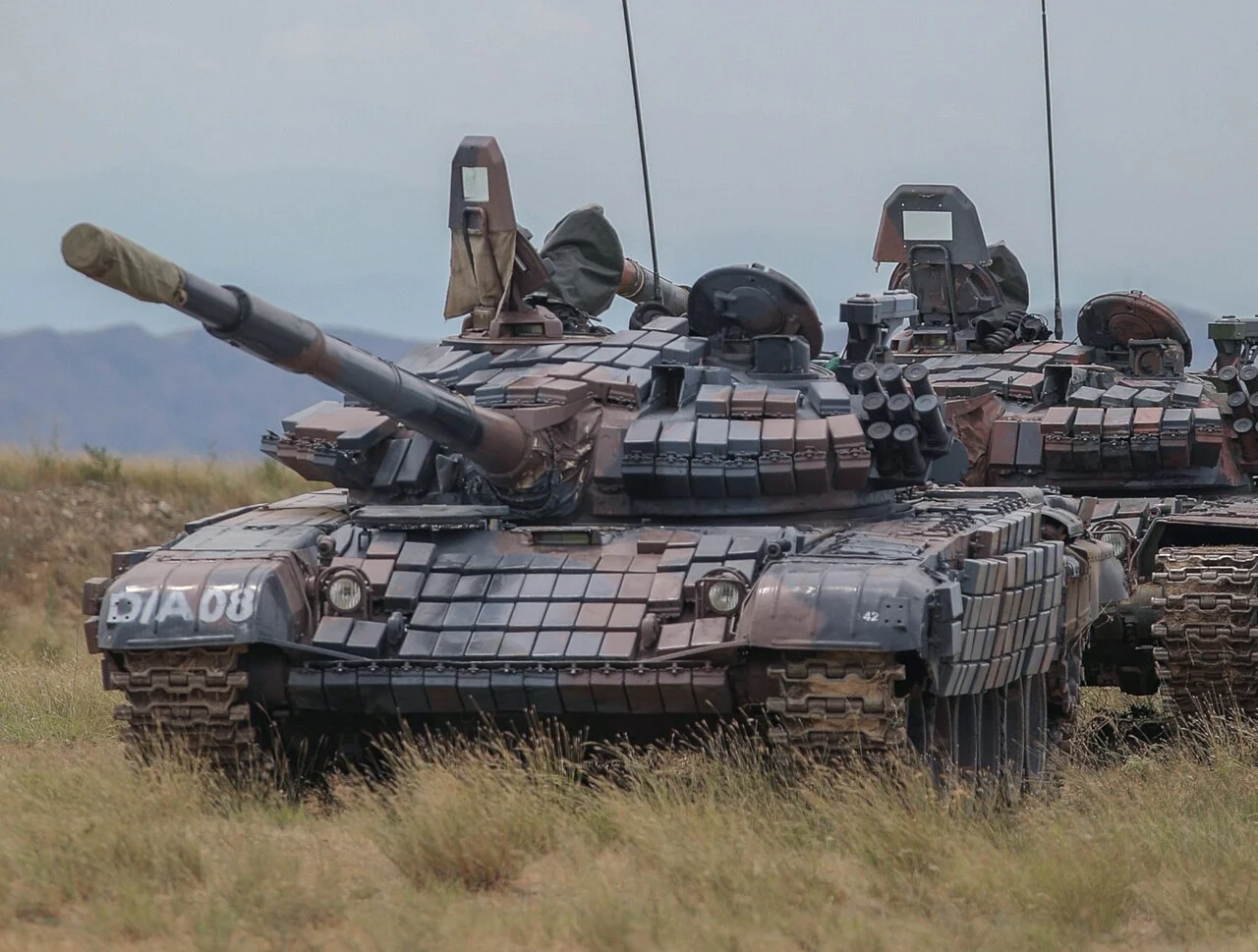
Angola’s confirmed modern tank holdings are reported at around 50 T-72M1s as of 2023, according to equipment surveys citing Military Balance data, the smallest confirmed total on this list. Status: operational. Angola’s broader inventory, built up during and after its long civil war, is understood to include additional older T-55s and T-62s from earlier Soviet-bloc deliveries, but reliable, current figures for those types are not available, so they are marked not verified rather than estimated here. Angola’s case is a reminder that several African militaries hold legacy armour whose true size is simply not documented well enough to rank with confidence.
| Rank | Country | Main battle tanks (approx.) | Lead type | Source / year |
|---|---|---|---|---|
| 1 | Egypt | ~3,600 (all types) | M1A1 Abrams | IISS Military Balance, as cited by defence outlets, 2025 |
| 2 | Algeria | ~1,467 (2020 figure; published figures vary) | T-90SA | IISS Military Balance 2020; Army Recognition, 2025 |
| 3 | Morocco | ~900-1,000 | T-72B / M1A1SA | Military Africa, 2023 |
| 4 | Sudan | ~290+ (confirmed types) | T-72 | Equipment survey citing IISS Military Balance |
| 5 | Ethiopia | ~320 | T-72B/UA1 | defenceWeb; IISS Military Balance |
| 6 | Nigeria | ~313 | Vickers Mk3 / T-72 | Equipment survey citing IISS Military Balance 2025 |
| 7 | Chad | ~90 | T-55 | Equipment survey citing IISS Military Balance |
| 8 | Angola | ~50 (confirmed T-72M1 only) | T-72M1 | Equipment survey citing IISS Military Balance, 2023 |
Why it matters for Africa
Tank numbers alone do not measure combat power, but they do show where African militaries have chosen to invest in heavy armour and where fleets are ageing without replacement. Egypt and Morocco are the only two countries on this list actively growing or modernizing their fleets with new-build tanks, giving them a sustainment advantage that fleets built entirely on 1970s-1990s deliveries cannot match. For most of the other entries, affordability rather than doctrine explains fleet composition: T-55s, Type 59s and early T-72s remain in service because replacement parts, training pipelines and spares are already in place, and because newer tanks cost far more to acquire and maintain than keeping older hulls running. Technology transfer matters here too – Egypt’s licensed Abrams production is the only case on the continent where a country builds a modern Western tank domestically, while Morocco’s shift from Chinese and Russian-pattern armour toward US-built Abrams reflects a broader realignment of its defence relationships. For African planners, the practical lesson is less about the raw fleet count and more about which of these tank forces can actually be sustained, repaired and reinforced at scale if a serious conflict draws on them for more than a few weeks.
Sources
- meta-defense.fr: Egypt modernizes 555 M1A1 Abrams but still has a huge tank fleet to replace
- Army Recognition: Russian T-90SA main battle tanks are the backbone of the Algerian army
- List of equipment of the Algerian Land Forces (IISS Military Balance-sourced)
- Military Africa: Morocco gets latest version of Abrams main battle tank
- List of equipment of the Sudanese Armed Forces (IISS Military Balance-sourced)
- defenceWeb: Ethiopian military receiving T-72s
- List of equipment of the Nigerian Army (IISS Military Balance-sourced)
- Chadian Ground Forces equipment list (IISS Military Balance-sourced)
- Defense Express: Morocco eyes South Korean K2 Black Panther tanks
Related on DefenceMENA: VT-4 vs T-90: Nigeria and Algeria’s Newest Main Battle Tanks Compared, Egypt’s Military Strength in 2026, Nigeria’s Military Strength in 2026 and Who Supplies Africa’s Weapons?