Kenya Defence Forces and US military personnel have carried out their first installation-wide combined base-defence exercise at Camp Simba, Manda Bay, testing the coastal facility’s ability to detect and respond to an attack. The drill, held in late August and detailed by AFRICOM on 18 September, is the most comprehensive joint force-protection test at the base since al-Shabaab militants breached its perimeter in January 2020.
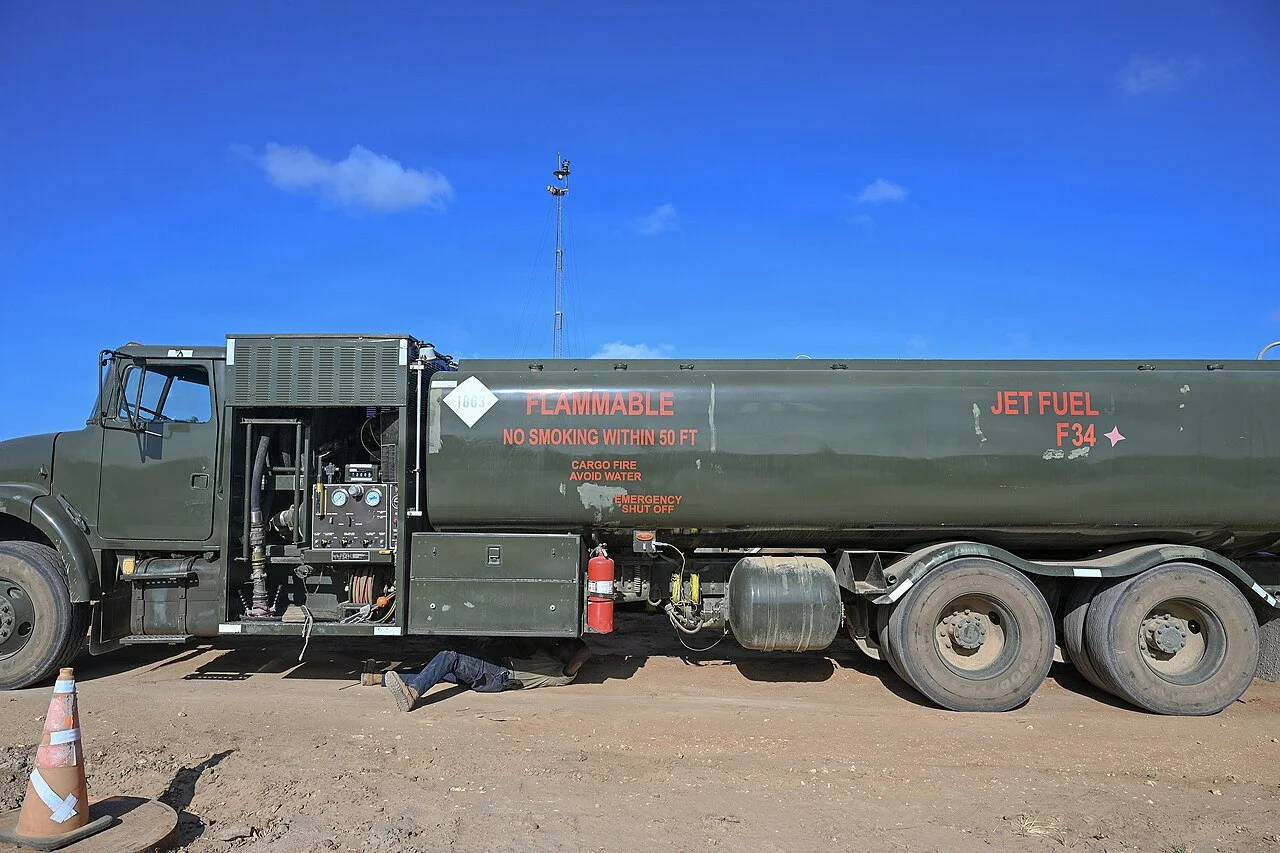
Photo: 475th Air Expeditionary Base Squadron personnel at Camp Simba, Manda Bay, Kenya. Credit: U.S. Air Force photo by Senior Airman Carl Good, Public domain, via Wikimedia Commons
According to US Africa Command, the exercise brought together personnel from every branch of the Kenya Defence Forces (KDF) with US Army and Air Force units based at the site, including the 475th Air Expeditionary Base Squadron (EABS) and the 406th Air Expeditionary Wing. AFRICOM described it as the first time the installation had tested cross-functional, whole-of-base integration rather than exercises run at unit level.
What the drill tested
Scenarios covered a defensive emergency response and recovery drill, procedures for handling suspicious persons and activities, mortar counter-fire drills, and medical evacuation. US Air Force Lt Col Sandy Van den Mooter, commander of the 475th EABS, said the level of combined integration required “isn’t just a ‘nice to have’ — it’s the cornerstone” of the base’s ability to keep operating under threat. US Army Sgt 1st Class Christian Wheeler of Task Force Seminole’s security force said the exercise let soldiers and airmen “work hand in hand with someone they’ve never worked with before,” building habits that would matter in a real incident.
Kenyan and US units on the base do not share the same standard operating procedures, and the exercise was designed partly to expose the coordination gaps that creates — from radio protocols to who has authority to order a lockdown — so they can be fixed before they matter in a live crisis.
Six years after the 2020 attack
The exercise carries particular weight at Manda Bay. On 5 January 2020, al-Shabaab fighters breached the perimeter of the base in a pre-dawn raid, killing a US soldier and two Department of Defense contractors and wounding two more American personnel, as Kenya’s Daily Nation reported. The attack exposed gaps in perimeter security and force protection that both governments have spent the years since trying to close, including new runway and infrastructure upgrades formalised under a 2024 memorandum of understanding signed during President William Ruto’s visit to the Pentagon.
Manda Bay has functioned since as a forward base supporting US and Kenyan operations against al-Shabaab across southern Somalia and along Kenya’s coast, and Camp Simba has grown from a small KDF naval facility into a more permanent joint installation, with recurring projects to improve troop housing, water and power supply reported by AFRICOM through 2025 and 2026.
Why it matters for Africa
Al-Shabaab remains the most capable jihadist insurgency in East Africa, and Kenya’s coastline and border counties have absorbed the bulk of its cross-border attacks over the past decade. A functioning, well-defended Manda Bay underpins both KDF operations inside Somalia under the African Union Support and Stabilization Mission and the wider US posture in the Horn of Africa, at a time when Washington has scaled up strike activity against al-Shabaab elsewhere in Somalia. For Kenya, demonstrating that lessons from 2020 have been institutionalised — not just patched — matters for confidence among its own troops and for the durability of a security partnership that also brings training, equipment and infrastructure investment few other East African militaries can match.
The exercise also signals to other African partners hosting US forward-operating locations, from Djibouti to Niger’s now-closed sites, that base-defence readiness is being treated as a standing requirement rather than a one-off fix, particularly for facilities near contested coastlines or porous land borders where a single security lapse can be costly in lives and in political trust.
Sources
Related: East Africa Plans Combined Anti-Piracy Task Force Under Djibouti Code of Conduct and DefenceMENA’s Kenya desk.