Ateş Serbest-2026: Türkiye Shows a Full Counter-Drone Kill Chain

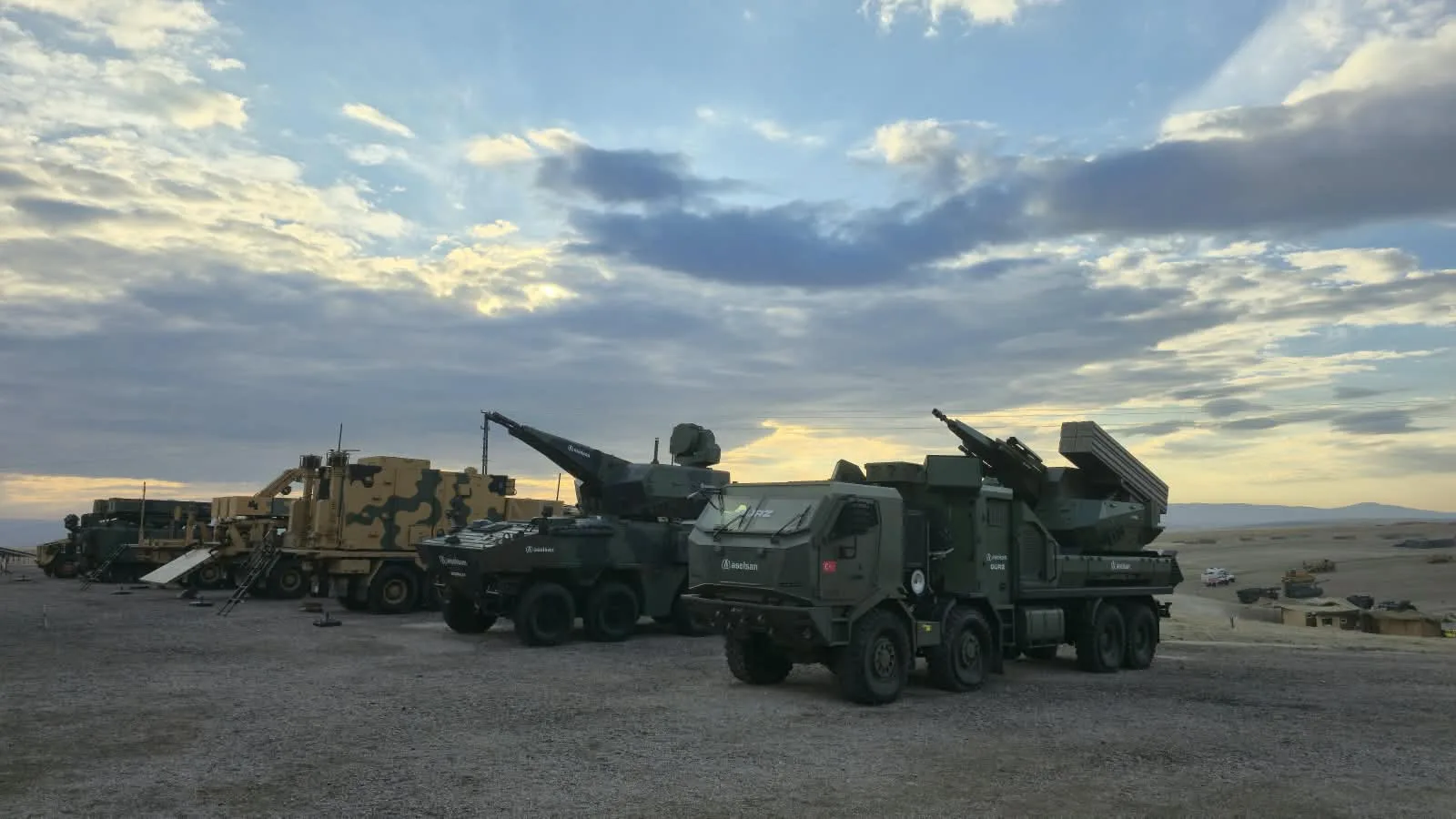


Türkiye’s annual firepower demonstration, Ateş Serbest, is usually a showcase for artillery and munitions. The 2026 edition, held at the General Nahit Şenoğul Firing and Training Area in Polatlı near Ankara, put more weight on something armed forces from the Sahel to the Gulf are now buying in volume: a layered answer to drones, from detection to a non-kinetic kill.
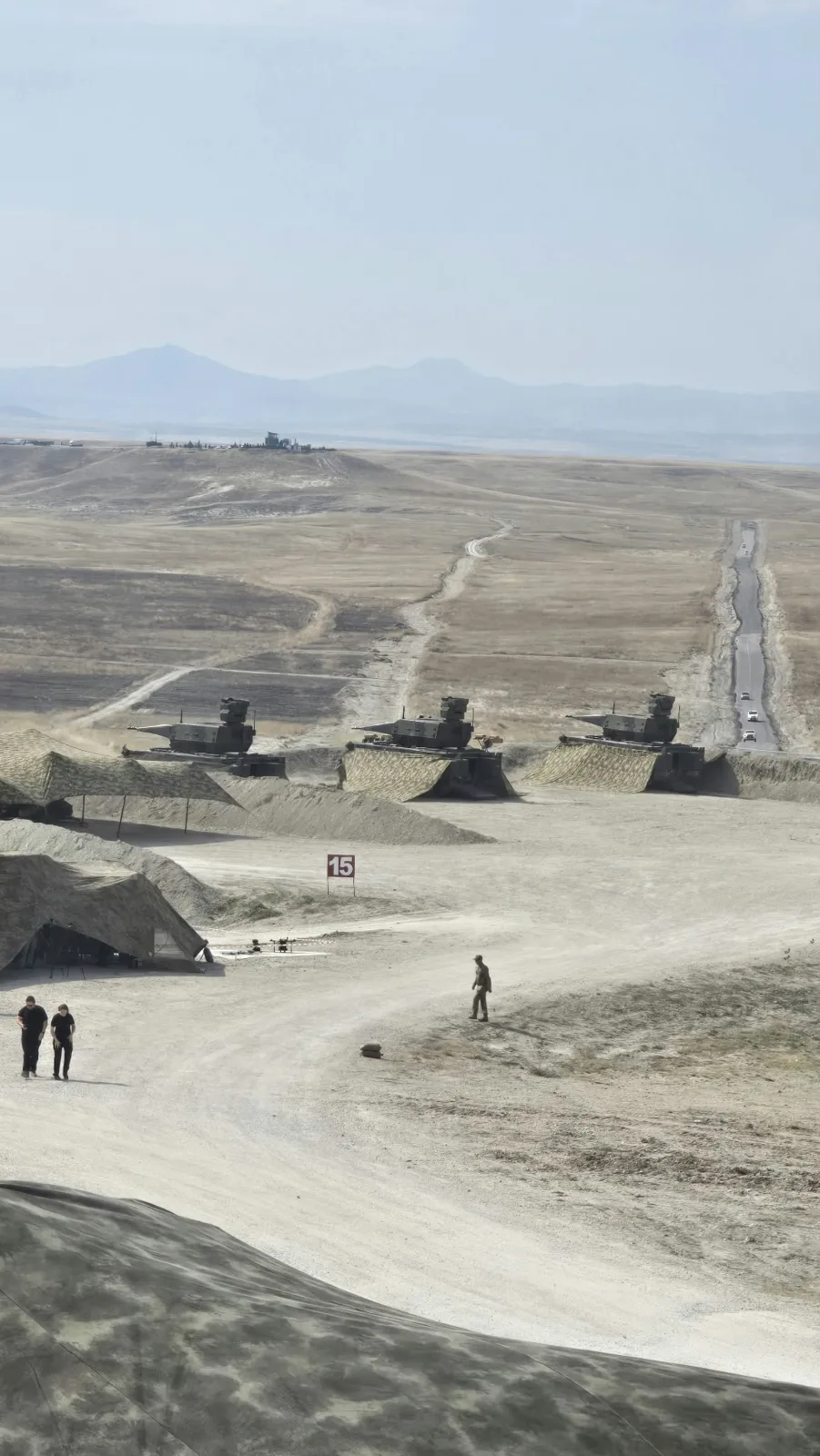
Units from the Turkish Land, Naval and Air Forces and the Special Forces Command took part, and the exhibition segment was coordinated by the Presidency of Defence Industries (SSB). Most of the systems on the ground came from ASELSAN.
The layers on display
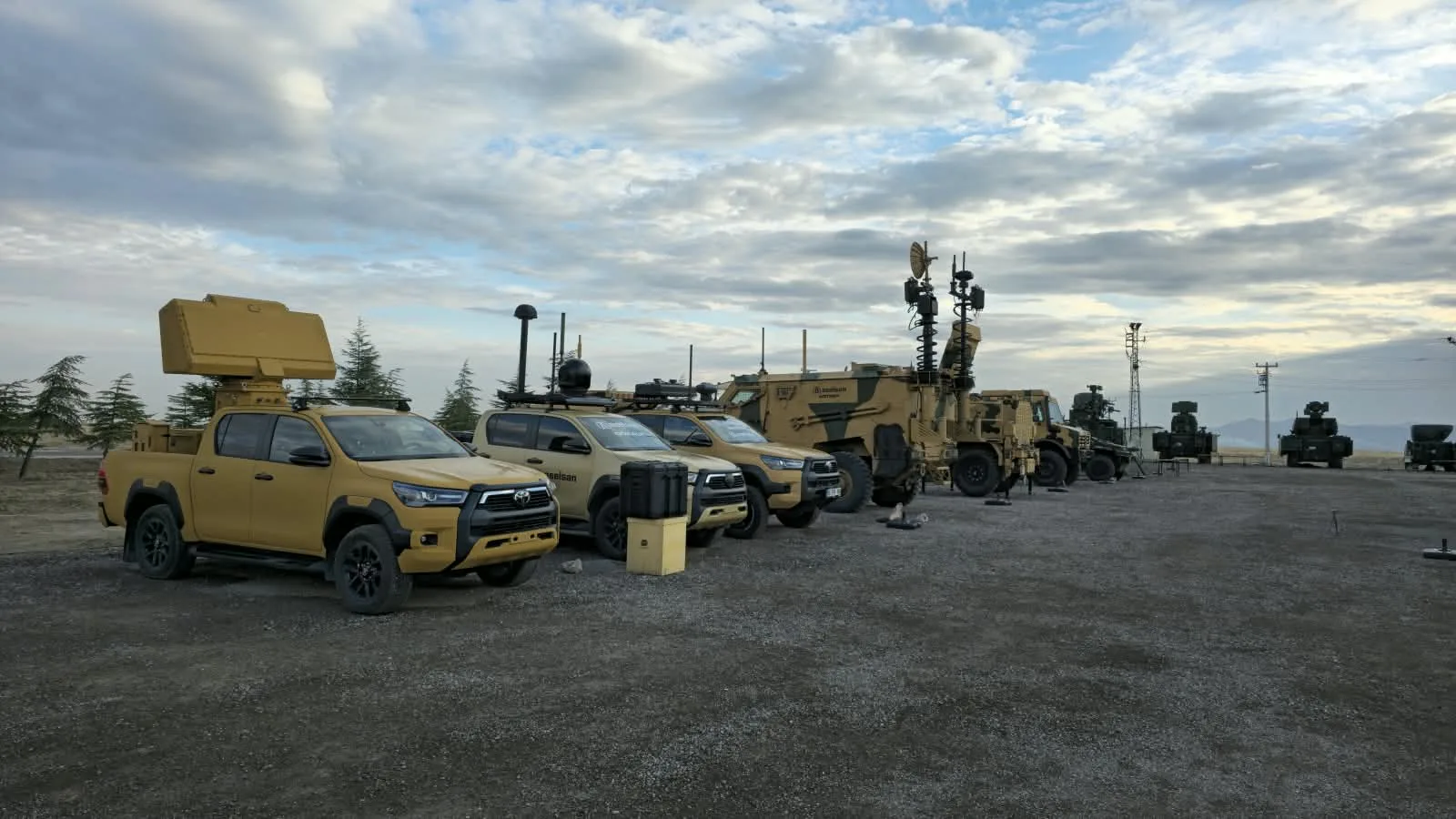
ASELSAN presented the systems as components of Steel Dome (ÇELİKKUBBE), Türkiye’s multi-layered air defence architecture. Grouped by role, the field set-up looked like this:
- Detect: MURAD AESA radar, KALKAN-2 air defence radar, AURA radar, a weapon locating radar and the ASELFLIR-410 electro-optical system.
- Connect: ARTNET tactical network, IDENTA identity and access management and QCRYPT encryption.
- Decide: KOCATEPE battlefield management system, ARTSOFT MAESTRO common tactical picture and ADOP fire support command and control.
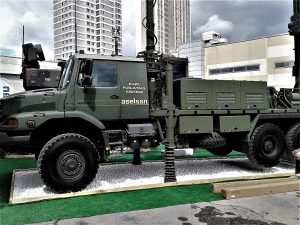
- Defeat: KORKUT and GÜRZ air defence systems, İHTAR and GÖKALP counter-drone solutions, plus the two directed-energy systems GÖKBERK and EJDERHA.
Electronic warfare ran alongside every layer, with the MİLKAR and MİLKED families and the ANTİDOT pod.
Why the directed-energy pair matters for drone-heavy theatres
GÖKBERK is a laser weapon system and EJDERHA is a high-power electromagnetic anti-UAV countermeasure system. Neither fires a projectile. The laser focuses energy on a single point; the electromagnetic system aims to disable a drone’s electronics and has the potential to affect a wider area. In both cases the cost of an engagement is low compared with an interceptor missile.
That arithmetic is familiar to forces in Libya, Sudan, the Sahel and the Red Sea littoral, where small commercial and military drones have become routine and where spending a costly missile on a cheap airframe quickly drains stocks. Directed energy is not a cure-all: lasers need line of sight and are affected by dust and haze, which is a real constraint in desert and Sahelian conditions. ASELSAN did not publish range or power figures for either system at the exercise.
Offensive air: AKINCI with MURAD, TOLUN-P and ANTİDOT
A Bayraktar AKINCI flew with the MURAD AESA radar and fired a salvo of ASELSAN TOLUN-P munitions at designated targets. The ANTİDOT pod aboard the aircraft detected and located the radars of simulated hostile air defence systems. For operators that already fly Turkish drones, the pairing of an AESA radar, a stand-off munition and an electronic support pod on one airframe is the most export-relevant scene of the day.
The regional context
ASELSAN already has a growing footprint across Africa and the Middle East, covered in our earlier reporting on ASELSAN air defence and counter-UAS systems and the company’s Africa expansion at AAD 2026. Ateş Serbest-2026 adds a field demonstration of how those products are meant to work together. Ammunition was also on show: the ATOM airburst family, including the 30 mm ATOM-30, whose display card listed a 3 km effective range and a 20-year shelf life.
Turkish forces are the first customer for all of these systems. What the exercise did not show is export status or delivery timelines for GÖKBERK and EJDERHA, and buyers will want those answers before directed energy enters regional procurement plans.
Field photographs: Envanter Medya.