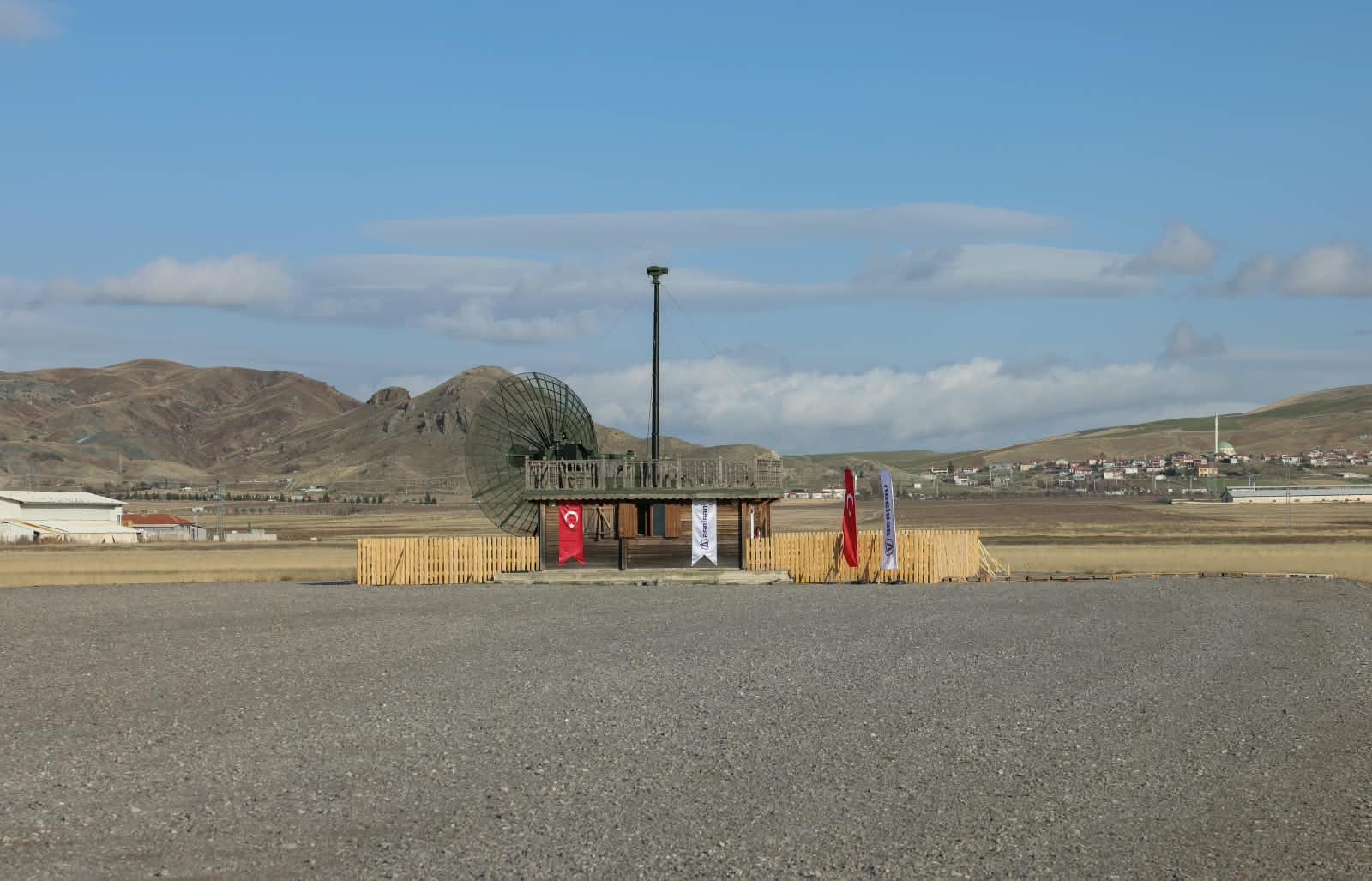
Turkish defence electronics group ASELSAN has used a high-power electromagnetic weapon to bring down a swarm of 51 drones in a single engagement. The demonstration, staged for the company’s 51st anniversary, involved the EJDERHA counter-UAS system and, according to ASELSAN, is the first time a directed-energy system has been recorded defeating this many drones simultaneously.
Fibre-optic drones first, then the swarm
The trial opened with a harder target than it might appear. EJDERHA was pointed at two tethered drones flying at a distance of about 1,000 metres and disabled both. Tethered and fibre-optic drones have no radio link to jam, which is why they have spread so quickly on the battlefield in Ukraine and why soft-kill jammers struggle against them. A high-power electromagnetic pulse goes after the aircraft’s own circuitry instead, so the control link stops mattering.
The second phase was the record attempt. Fifty-one drones, one for each year since ASELSAN was founded, were launched at once. The company says EJDERHA neutralised all of them within seconds.
What EJDERHA is
EJDERHA (Turkish for “dragon”) produces high-power electromagnetic waves using vacuum electronics. An active radar detects the target, an electro-optical sensor tracks it, and the antenna steers the energy onto it. ASELSAN lists four possible effects on anything that carries electronics: suppression, reset, neutralisation or physical damage to the circuits. The intended result is that a drone loses navigation, communications or command and control while still at a safe distance.
The system sits in the short-range layer of Steel Dome (ÇELİKKUBBE), Türkiye’s layered air and missile defence architecture, where it is tasked with mini and micro UAVs. ASELSAN says EJDERHA has already been tested in the field against:
- mini and micro UAVs;
- fixed-wing UAVs flying below the cloud base;
- wired and wireless FPV drones;
- UAVs with internal combustion engines.
EJDERHA first appeared in public alongside the GÖKBERK laser at Türkiye’s annual firepower demonstration, as we reported in our piece on the counter-drone kill chain shown at Ateş Serbest-2026.
“No missile, no munition”
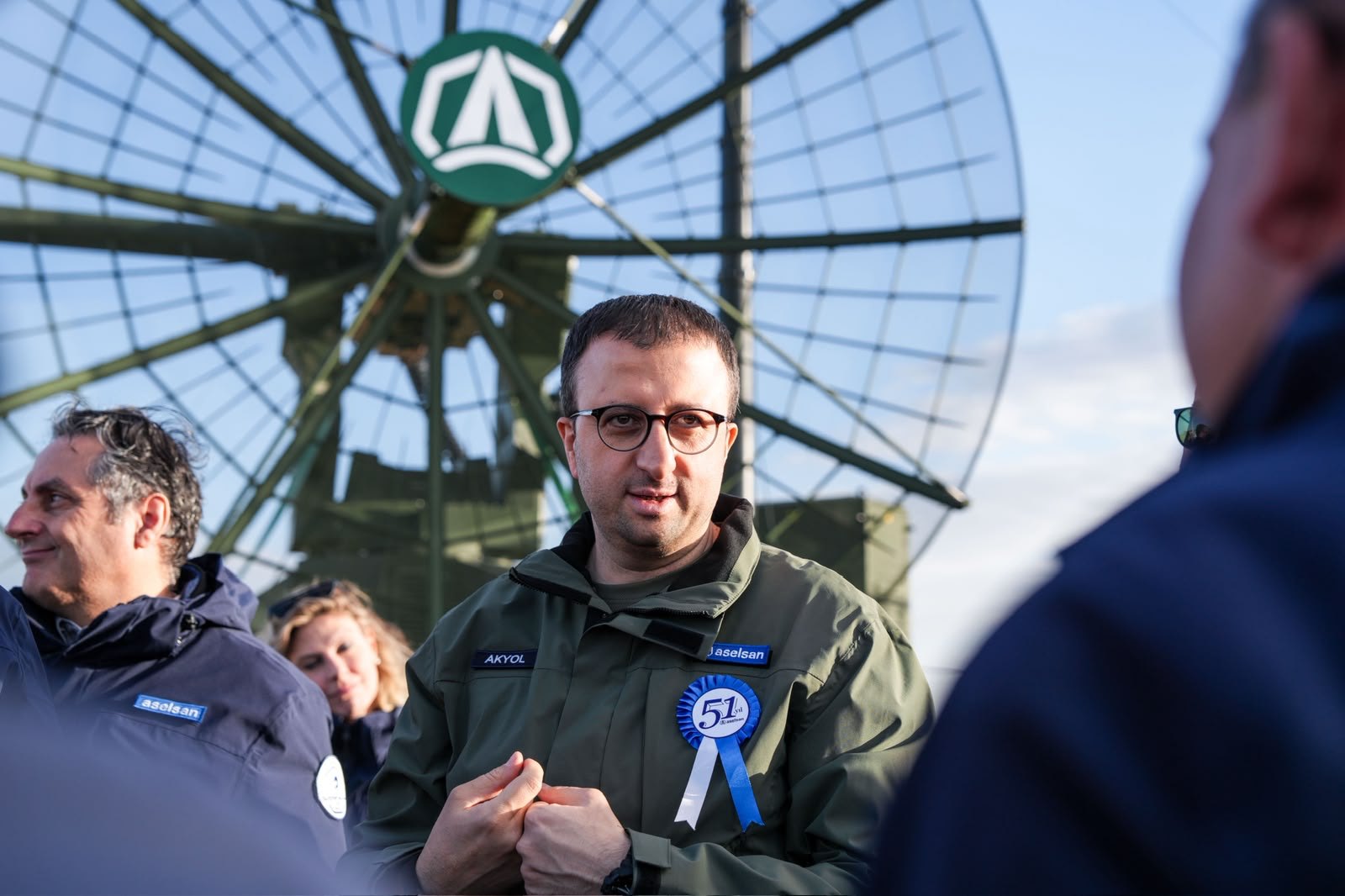
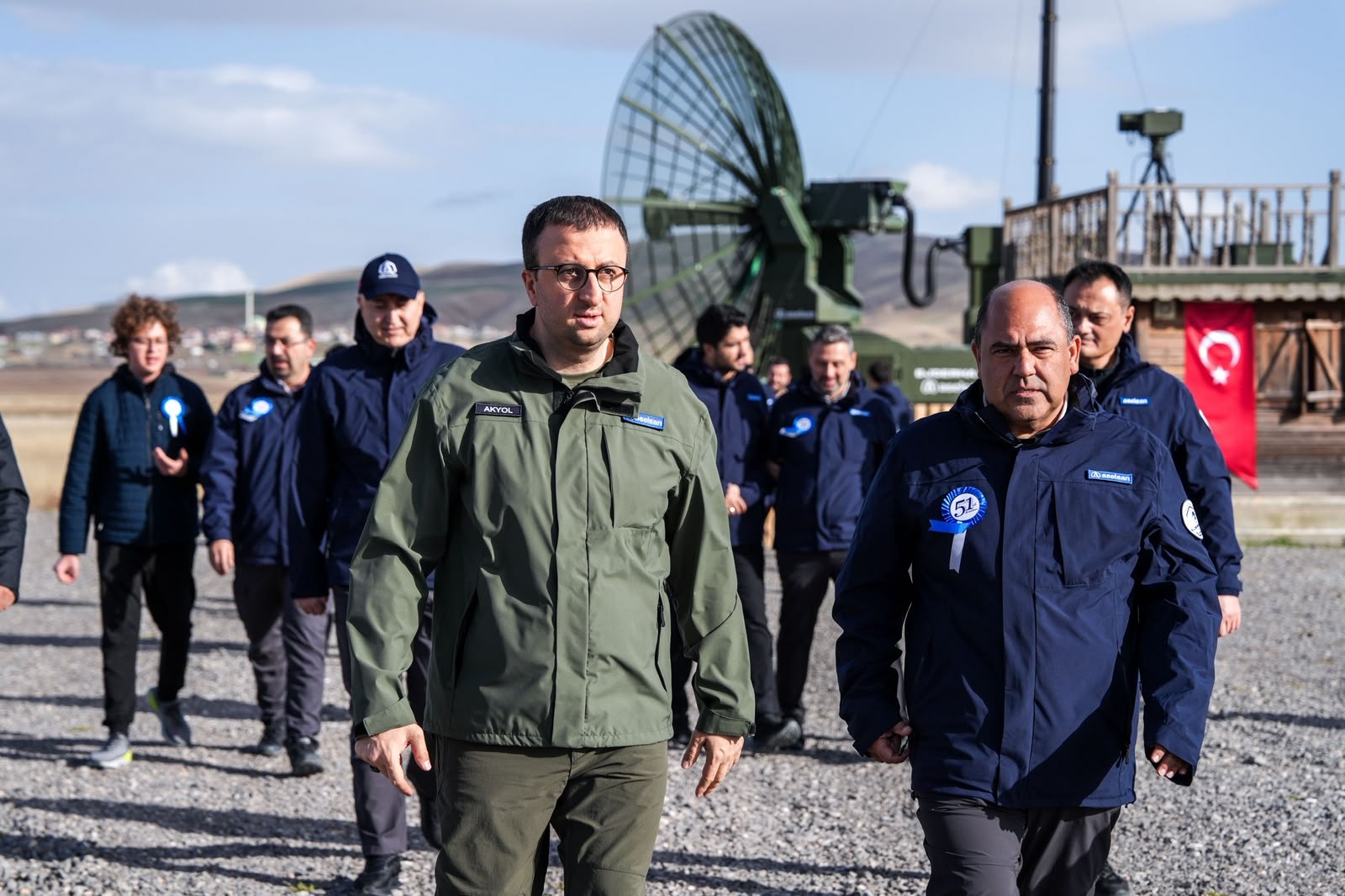
ASELSAN President and CEO Ahmet Akyol presented the result as a cost argument as much as a technical one. “ASELSAN’s EJDERHA system became the first in the world to bring down 51 drones with a single button, without firing a missile or using any munition,” he said. Akyol added that the system is no longer a prototype: “EJDERHA has been fielded, has entered serial production and has reached the level where it contributes to our country’s security.”
Why buyers in Africa and the Middle East will watch this
From Sudan and Libya to the Sahel, Yemen and the Red Sea, cheap commercial and loitering drones have become a routine threat to bases, convoys and energy infrastructure. Most of the forces facing them rely on guns, jammers or a small stock of surface-to-air missiles. Each of those has a weak spot against a swarm: guns and missiles are limited by the number of rounds, and jammers do little against fibre-optic or pre-programmed drones.
A high-power microwave weapon addresses both gaps, at least on paper. Its magazine is the power supply, and a wide beam can affect several targets at once. The constraints are range and power: ASELSAN has not published EJDERHA’s maximum effective range, and microwave weapons are generally shorter-ranged than lasers or missiles, which places them at the inner edge of a defended site rather than at its perimeter.
What ASELSAN did not say
- the distance at which the 51 drones were engaged and how widely the swarm was spread;
- the drone types used in the swarm phase;
- production numbers, delivery dates or any export customer.
ASELSAN already markets counter-drone and electronic warfare systems across Africa and the Gulf. Whether EJDERHA joins that export catalogue is the obvious next question.
Source: ASELSAN press release. Photos: ASELSAN.