Malawi Returns Its Only AS550 Fennec Helicopter to Service

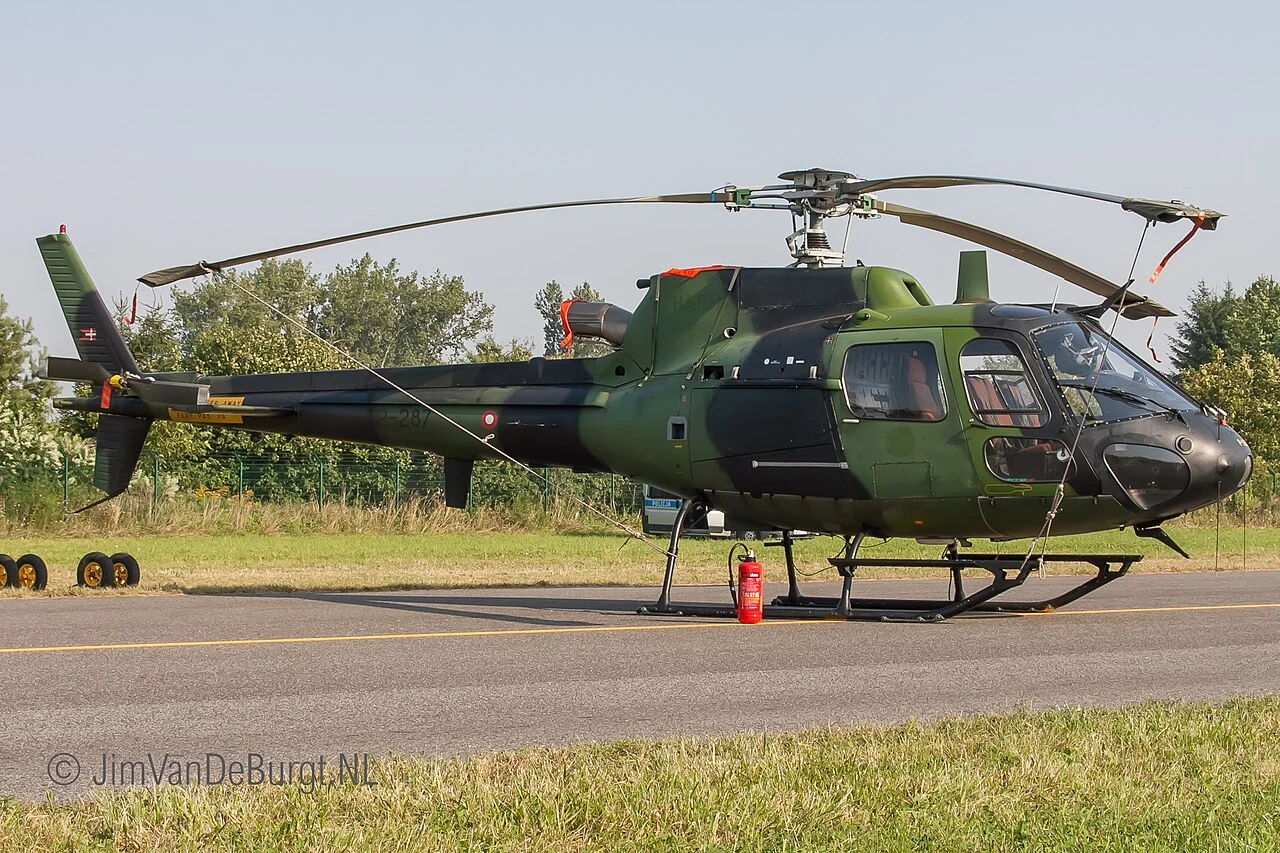


Malawi’s only AS550 Fennec helicopter is flying again after an overhaul by Airbus South Africa, a modest but telling sign of how stretched the Malawi Defence Force’s air wing has become. The aircraft, serial MAF-H16, was formally received back at Lilongwe Air Base on 26 October 2026.
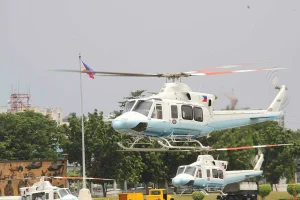
Photo: An AS-550C Fennec, the same light helicopter type the Malawi Defence Force has returned to service (aircraft shown is Danish, illustrative). Credit: Jim van de Burgt, CC0, via Wikimedia Commons
The Malawi Defence Force (MDF) announced the return of the AS550 A2 Fennec on its Facebook page, and the news was picked up locally by Malawi24 before being reported by Military Africa. The helicopter will be used for troop and equipment transport, aerial reconnaissance, disaster response and reaching remote communities — core utility roles for a landlocked country with limited road infrastructure in its north.
MDF Commander General George Alexander Jaffu Jnr called the aircraft “a workhorse” that “enables us to move people and equipment quickly.” He has previously told Malawi’s Parliament that outdated equipment is a growing operational risk for the air wing, citing financial constraints, foreign-exchange shortages and outstanding payments as reasons planned purchases have stalled.
A thin air wing
The Malawi Air Force — formerly the Malawi Army Air Wing — operates one of the smallest and least combat-capable air arms in southern Africa, with no fixed-wing combat aircraft at all. Its fixed-wing component consists of two Dornier 228s and two recently delivered Chinese-built MA600 turboprops. On the rotary side, defenceWeb’s reporting (citing Scramble magazine) describes four SA330H Pumas, of which one has been written off and the rest are believed grounded, roughly three flyable Gazelles out of six, and one airworthy AS532 Cougar. Airbus was reported to be restoring two AS350 Écureuils as of January 2026. Against that backdrop, returning a single Fennec to flying status is a meaningful addition rather than a routine maintenance event.
The air wing’s fragility was exposed starkly on 10 June 2024, when a Dornier 228 carrying then-Vice-President Saulos Chilima crashed in Mzimba District, killing all ten people on board. Jaffu has cited that accident when pressing lawmakers for sustained investment in airworthiness and maintenance rather than one-off purchases.
Why it matters for Africa
Malawi’s situation is a reminder that most African air arms are not weighing fighter jets or attack helicopters but simply trying to keep a handful of ageing utility airframes serviceable. The AS550/AS350 Écureuil family remains widespread across the continent precisely because it is cheap to operate and supportable by regional maintenance centres — Airbus South Africa is the nearest factory-level support point for Malawi’s helicopters, while Airbus has also signalled plans for a dedicated helicopter maintenance hub in Morocco aimed at West African customers. The contrast with Kenya’s recent delivery of eight refurbished MD500s shows a broader pattern: for many African defence forces, the real procurement story in 2026 is not new orders but keeping what they already own in the air.
Sources