Niger Signs Strategic Cooperation Protocol With Haftar’s Eastern Libya Command in Benghazi

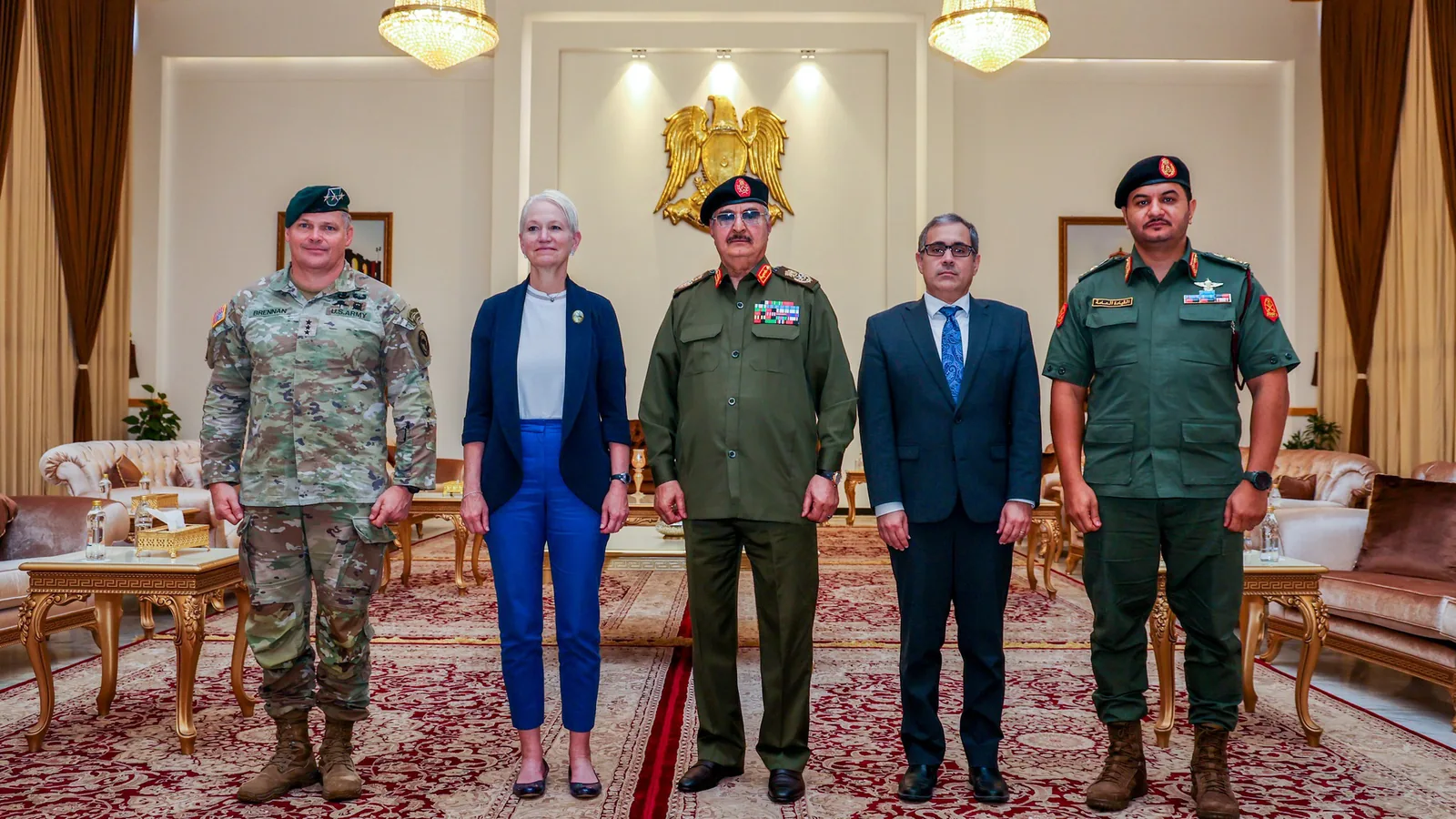


Niger’s Prime Minister Ali Mahaman Lamine Zeine signed a strategic cooperation protocol with Lieutenant General Saddam Haftar, deputy commander of the forces that control eastern Libya, during a high-level visit to Benghazi that ended on 2 November 2026. The Libyan National Army (LNA) General Command media office confirmed the signing; neither side published the text of the protocol or any operational timeline.
What was confirmed
According to the LNA statement, cited by The Libya Observer and Agenzia Nova, Zeine led a Nigerien delegation of political and military officials that included the Chief of Staff of the Nigerien Armed Forces, General Mamane Sani Kiaou. The meeting took place at the General Command headquarters in the presence of Osama Hammad, prime minister of the eastern administration aligned with the House of Representatives.
Saddam Haftar stressed historical and cultural ties between Libya and Niger and conveyed greetings from Field Marshal Khalifa Haftar to Niger’s President Abdourahamane Tiani, Nova reported. Both sides said they would continue consultations and follow up on implementation “in the common interest” of the two countries. Africanews, citing AFP, described the document as a memorandum of understanding meant to expand cooperation in “various fields.”
Official statements did not list security, intelligence, border or economic clauses. A Benghazi-based television channel, Al-Masar, later claimed the protocol covers border security, intelligence sharing, a joint force and consular openings; those details have not been corroborated by Niamey or by the LNA written statement and should be treated as unverified.
Why Benghazi, and why now
Niger and Libya share more than 340 kilometres of frontier. Niamey already keeps channels open to both Libyan camps. In June 2026 Zeine visited Tripoli and signed a military cooperation memorandum with the UN-recognised Government of National Unity’s defence leadership, covering border security and irregular migration, according to The Libya Observer. The Benghazi protocol therefore adds an eastern track rather than replacing the western one.
The timing sits next to Algeria’s recent decision to send army units into Niger to protect energy infrastructure, at Niamey’s request — a deployment Defence Mena has tracked from the parliamentary approval through the first convoys into Arlit and the Agadez corridor. Analysts quoted by RFI linked Niamey’s outreach to Benghazi in part to the need to manage the northern border as Algerian forces appear further south, without claiming a direct causal deal.
For the Haftar camp, engagement with Sahel governments fits a wider pattern of consolidating influence along Libya’s southern approaches while eastern and western Libyan military teams have also been talking about reunification in Ankara — a track Defence Mena covered separately in Libya’s Ankara military unification talks.
What has not been announced
No force posture change, basing right, arms transfer or joint exercise calendar has been announced with the protocol. Order is not delivery, and a signed cooperation text is not an operational deployment. Until Niamey or the LNA publish annexes or concrete follow-on measures, the story is diplomatic and political: Niger is hedging across Tripoli, Benghazi and Algiers on a frontier that remains a corridor for smuggling, armed groups and energy politics.
Sources
- The Libya Observer: Haftar’s forces sign strategic cooperation protocol with Niger (2 November 2026)
- Agenzia Nova: Libya-Niger protocol, LNA statement and Niger staff chief attendance (2 November 2026)
- Africanews / AFP: Niger signs cooperation deal with eastern Libya military leadership (4 November 2026)
- RFI: Niamey–Haftar rapprochement and border context (4 November 2026)
- Madar: reporting on the Benghazi signing and Al-Masar claims (November 2026)