European Parliament Calls for EU Terror Listing of the Houthis: What the Resolution Does and Does Not Do

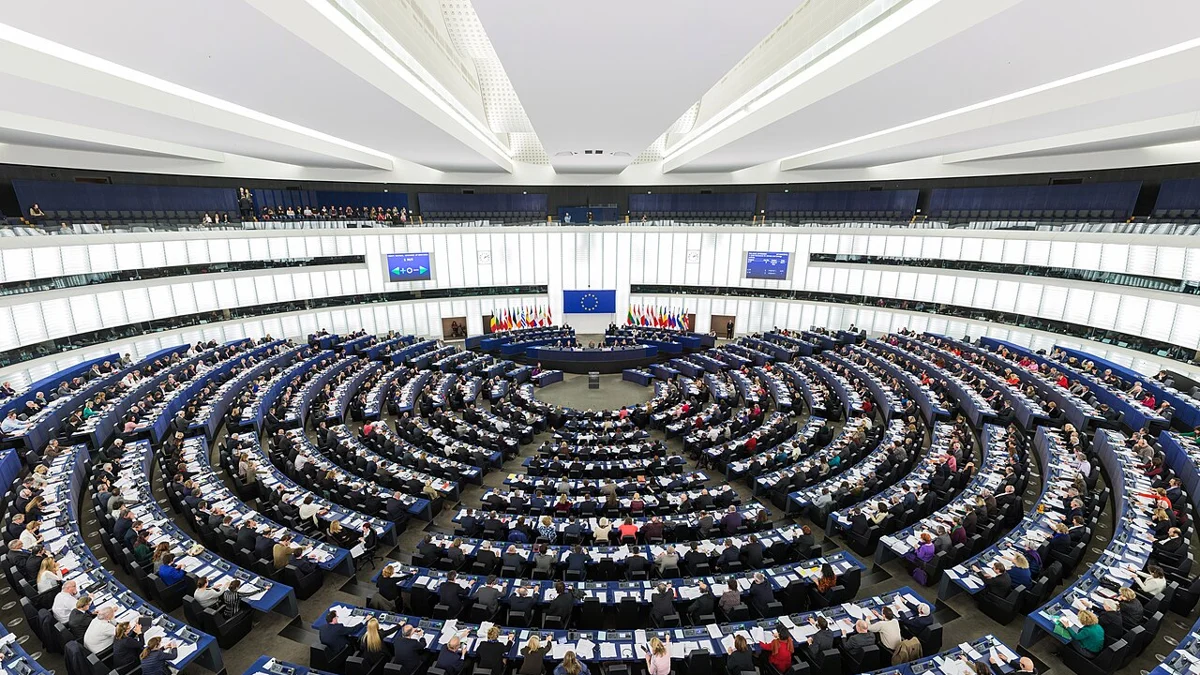


The European Parliament on 22 October 2026 adopted a resolution urging EU governments to put Yemen’s Houthi movement on the EU list of terrorist organisations, including its political and military wings, leadership and security apparatus. The text is not binding. A listing, which would freeze Houthi funds and assets in the EU and bar Europeans from financing the group, can only be decided by the EU’s 27 member states acting unanimously. The vote comes after weeks of Houthi missile and drone strikes on Saudi airports and energy sites, and a Houthi blockade threat in the Red Sea.
What the resolution says
- Terrorist listing: following a proposal by EU foreign policy chief Kaja Kallas, Parliament urges the Council to add the Houthi movement, “including its military and political wings, leadership and military and security apparatus”, to the EU terrorist list.
- Money: it calls for all Houthi financing channels to be dismantled and for the EU to freeze all funds and economic resources of the Houthis and those who facilitate them.
- Attacks on Saudi Arabia: MEPs “strongly condemn the unprecedented missile and drone attacks by the Houthis against Saudi Arabia” and their offensive inside Yemen, calling them flagrant violations of international law. The text expresses solidarity with Riyadh and Yemen’s internationally recognised government.
- Iran: it condemns Iran for supplying the Houthis with weapons, missile and drone technology, training and funding, and calls for the disarmament of all Iran-backed armed groups, Hezbollah included.
- Red Sea: it condemns the Houthi naval blockade of Saudi Arabia and attacks on shipping and energy infrastructure in the Red Sea and Bab al-Mandab. MEPs say the combined disruption at Bab al-Mandab and the Strait of Hormuz is pushing up European energy prices.
- Defence cooperation: the resolution backs the EU naval operation ASPIDES and its expanded mandate, asks member states for more ships and aircraft, calls for closer EU–Gulf security and defence cooperation, and welcomes the air defence support that EU states and the UK are giving the region.
- Humanitarian aid: it asks for more EU aid to Yemen, with strict oversight of how it is used.
The text was adopted by a large majority in a show of hands, Euronews reported, so no roll-call figures were published. The lead negotiator was Spanish Socialist MEP Hana Jalloul.
What it does not do
The resolution does not change EU law. Under the EU’s counter-terrorism listing system, only the Council, where national governments sit, can add a group to the list, and it must do so unanimously. Kallas told MEPs during Tuesday’s debate that she still needs to bring all 27 states on board. Until that happens, the Houthis face no new EU asset freeze.
ASPIDES is short of ships
The most concrete military point in the text is the call for more ships. Euronews reported that ASPIDES currently has three ships from Italy and Greece, with two more pledged by Belgium and the Netherlands, while Kallas has said at least 10 are needed. The operation is defensive: it escorts and protects merchant ships and does not strike targets in Yemen.
Why the vote came now
The Houthis have stepped up attacks on Saudi Arabia since early October. According to coalition and Saudi government figures reported by Arab News, the group fired at least 14 ballistic missiles and more than 60 armed drones at the kingdom in October, and the attacks have killed 24 people and injured at least 374. The worst toll was at Riyadh’s King Khalid International Airport, where 18 people were killed between 7 and 11 October. Our running file on Houthi attacks on Saudi airports tracks those strikes. This week, attacks killed four people at Dammam airport and the Shaybah oil field, and Saudi Aramco evacuated its Dhahran headquarters.
Attacks continued after the vote. Early on 23 October, the Saudi-led coalition said it had intercepted a ballistic missile fired towards Riyadh shortly after 4 a.m., after downing two drones heading for the southern region around 1 a.m. Kallas said the strikes had already forced the postponement of an EU–Gulf Cooperation Council summit that was due to be held in Riyadh this month.
European help for Saudi air defence has so far come from individual countries, not from the EU. The UK has deployed RAF Typhoons, and Türkiye’s parliament is considering the Mecca joint defence agreement, which would allow it to send defensive personnel to the kingdom.
What to watch
- Whether Kallas puts a formal listing proposal to EU foreign ministers, and whether any member state blocks it.
- Whether more EU navies commit ships to ASPIDES.
- When the postponed EU–GCC summit in Riyadh is rescheduled.
Photo: The European Parliament hemicycle in Strasbourg (file photo, cropped). Credit: Diliff, CC BY-SA 3.0, via Wikimedia Commons
Sources
- European Parliament press release, “Parliament wants the EU to designate the Houthis as a terrorist group”, 22 October 2026
- Euronews, “MEPs call for Yemen’s Houthis to be added to EU terrorist list”, 22 October 2026
- The National, “European Parliament asks EU to list Houthis as terror group”, 22 October 2026
- Arab News, “European Parliament calls for Houthi terrorist listing”, 22 October 2026
- Arab News, “Coalition air defenses down missile bound for Riyadh amid ongoing Houthi attacks”, 23 October 2026