A vehicle assessed to be KORAL-2, ASELSAN’s new standoff radar jammer, was on display when Turkish Gendarmerie Commander General Ali Çardakcı visited the company’s Technology Base in Ankara on 11 November 2026, according to photos released by the Gendarmerie General Command.
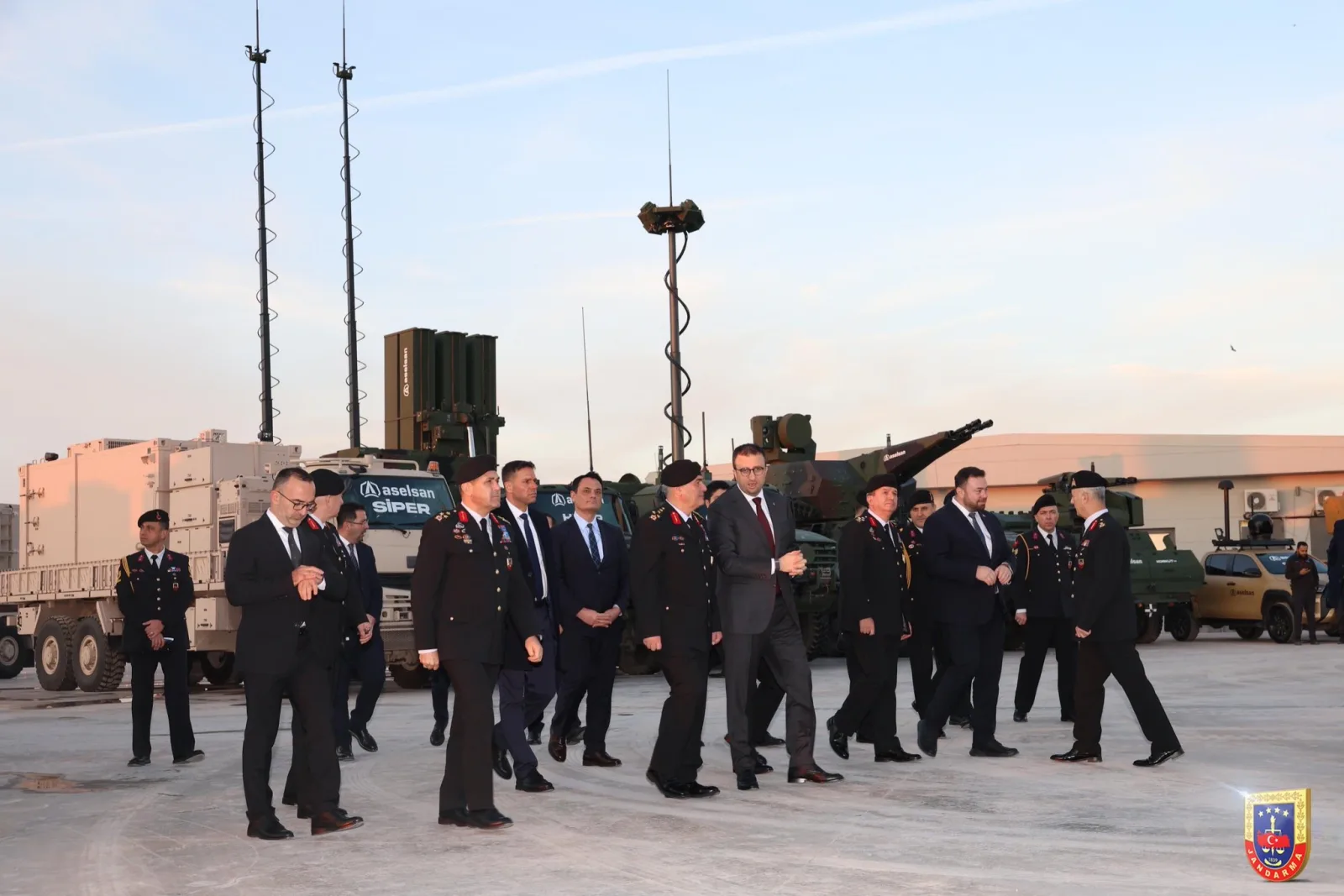
The images also show SİPER, HİSAR and KORKUT air defence systems and an ALP radar. The Gendarmerie post does not name each system, and neither ASELSAN nor Türkiye’s Defence Industry Agency (SSB) commented separately; KORAL-2’s presence is an assessment based on the vehicles shown.
A Standoff Jammer for Air Defence Suppression
SSB describes KORAL-2 as a land-based standoff electronic support and attack system. It is designed to degrade the detection, identification and tracking performance of adversary early warning and air defence radars, exploiting the resulting gaps so friendly aircraft and units can operate at lower risk.
It succeeds the first-generation KORAL, fielded in 2016 and modernised by ASELSAN in September 2025. SSB President Haluk Görgün listed the advanced KORAL among the systems due to enter the Turkish inventory in 2026.
Why It Matters for the Region
Ground-based radar jamming is one of the few capabilities that few regional militaries field domestically. As ASELSAN markets its KORAL family abroad, including the newer KORAL AD variant unveiled at SAHA 2026, a Turkish service entry would give the system the home-country reference that export customers in the Middle East and Africa typically look for.